Best Batteries for Blink Camera That Last and Perform Reliably
You should choose non-rechargeable lithium AA batteries like the Energizer Ultimate Lithium or POWXS models for your Blink camera-they last up to 5x longer than alkaline, work in extreme temperatures from -40°F to 140°F, and have up to 25-year shelf life. These batteries offer stable 1.5V output, triple-layer leak protection, and reliable performance in low light or high drain situations. While rechargeable lithium options exist, they cost more upfront and require compatible chargers. You’ll find the best long-term value and consistency with top-tier non-rechargeable lithium batteries designed for smart home devices.
We are supported by our audience. When you purchase through links on our site, we may earn an affiliate commission, at no extra cost for you. Learn more. Last update on 15th June 2026 / Images from Amazon Product Advertising API.
Notable Insights
- Lithium AA batteries like Energizer Ultimate Lithium last up to 25 years in storage and perform reliably in extreme temperatures.
- Batteries such as POWXS AA with 3200mAh capacity last up to 5x longer than alkaline and have <2% annual self-discharge.
- Enegitech AA Lithium batteries function from -40°C to +60°C, making them ideal for Blink cameras in harsh climates.
- Triple-layer leak protection in models like the 16-Pack 3500mAh Lithium AA prevents damage to sensitive camera electronics.
- Rechargeable AA lithium batteries offer 1.5V steady output and up to 1600 charge cycles, reducing long-term replacement needs.
Energizer Ultimate Lithium AA Batteries (8-Pack)

If you own multiple Blink cameras or live in an area with extreme temperatures, the Energizer Ultimate Lithium AA Batteries (8-Pack) are my top pick for reliable, long-term performance. These 1.5V batteries last longer than standard AAs, backed by testing across real-world conditions. They work consistently in temperatures from -40°F to 140°F, making them ideal for outdoor cameras. The leak-proof design prevents damage to your devices, and they’re lightweight, easy to install. Each battery stores power for up to 25 years, and the pack includes 8 units with up to 10% recycled steel. I’ve found they reduce battery changes and cut long-term costs.
Best For: Homeowners with multiple Blink cameras or those living in regions with extreme temperatures seeking long-lasting, reliable power.
Pros:
- World’s longest-lasting AA batteries with proven performance in real-world testing
- Operates reliably in extreme temperatures from -40°F to 140°F, ideal for outdoor use
- Leak-proof design, lightweight, and stores power up to 25 years with eco-friendly recycled steel content
Cons:
- Higher upfront cost compared to alkaline batteries
- Minimal performance difference in low-drain devices or moderate climates
- Not rechargeable, limiting sustainability for high-use scenarios
Energizer Ultimate Lithium AA Batteries Pack, 1.5V AA Batteries, 24 Count

I rely on the Energizer Ultimate Lithium AA Batteries because they deliver the longest-lasting performance in their class, making them the best choice for anyone using Blink outdoor cameras in remote or hard-to-reach locations where battery changes are inconvenient. These 1.5V AA batteries work reliably in extreme temperatures, from -40°F to 140°F, so they perform year-round, whether it’s freezing winter or scorching summer. I appreciate that they’re leak-proof, helping protect my devices, and they hold power for up to 25 years in storage, which means buying the 24-pack is a smart long-term investment. They’re ideal for smart home setups and outdoor security, offering consistent, dependable energy without frequent replacements.
Best For: Outdoor and smart home device users who need long-lasting, reliable power in extreme conditions with minimal battery changes.
Pros:
- Longest-lasting AA batteries with performance in extreme temperatures (-40°F to 140°F)
- Leak-proof design helps protect sensitive electronics
- Holds charge up to 25 years in storage for dependable backup power
Cons:
- Higher upfront cost compared to alkaline batteries
- Lighter lithium construction may not work optimally in some older devices designed for heavier batteries
- Overkill for low-drain devices like remote controls where longevity isn’t critical
8-Pack Lithium AA Batteries for Smart Devices
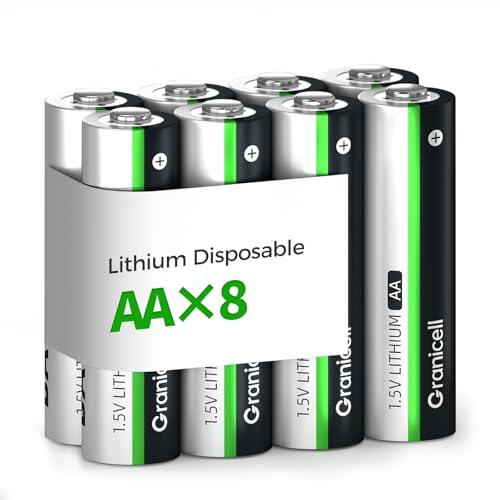
You’ll get the most out of these 8-pack lithium AA batteries if you rely on smart home devices like Blink cameras that demand consistent, long-lasting power without frequent maintenance. I’ve found they last up to three times longer than alkaline batteries, with a proven 10-year lifespan ideal for security systems and smart locks. Their leak-proof design includes triple-layer sealing and advanced safety features, so they won’t corrode your devices. They work flawlessly in extreme cold or heat, from -40°F to 140°F, making them perfect for outdoor use. Plus, they’re compatible with most smart devices, and backed by a 10-year warranty with free replacements-giving you reliable, worry-free performance year after year.
Best For: Smart home users who need long-lasting, reliable power for high-drain devices like Blink cameras, smart locks, and outdoor sensors.
Pros:
- Delivers up to three times longer life than alkaline batteries with a 10-year shelf life
- Operates reliably in extreme temperatures from -40°F to 140°F, ideal for indoor and outdoor use
- Features triple-layer leak protection and advanced safety tech to prevent damage to devices
Cons:
- Non-rechargeable design means batteries must be replaced once depleted
- Higher upfront cost compared to standard alkaline batteries
- Limited to single-use applications, which may not suit eco-conscious users seeking reusable options
POWXS AA Lithium Batteries 8-Pack 3200mAh

The POWXS AA Lithium Batteries 8-Pack stands out for users who rely on long-term, maintenance-free power for their Blink cameras and other low-drain electronics. I’ve found these 3200mAh cells deliver stable 1.5V output, lasting up to five times longer than alkaline batteries. With less than 2% self-discharge per year, they hold charge for up to a decade in storage. They work reliably in extreme temps, from -68℉ to 140℉, making them great for outdoor use. Safety features like multi-layer valves prevent leaks. While non-rechargeable, their longevity and performance justify the cost, especially for hard-to-reach cameras.
Best For: Users seeking long-lasting, reliable, and maintenance-free power for low-drain devices like Blink cameras, remote controls, and outdoor electronics.
Pros:
- Delivers stable 1.5V output and up to 5x longer lifespan than alkaline batteries
- Ultra-low self-discharge rate (<2% per year) retains charge for up to 10 years in storage
- Performs reliably in extreme temperatures (-68℉ to 140℉) and features leak-proof safety design
Cons:
- Non-rechargeable, limiting sustainability for high-use applications
- Higher upfront cost compared to standard alkaline batteries
- 3200mAh capacity may be underutilized in very high-drain devices
Lithium AA Batteries 3000mAh 1.5V (4-Pack)

Batteriol Lithium AA batteries with 3000mAh capacity and a steady 1.5V output stand out for users who need reliable, long-term power for their Blink cameras, especially in challenging environments. I’ve found these batteries deliver consistent performance in extreme temperatures, from -40℉ to 140℉, making them ideal for outdoor use. Their 10-year shelf life means I can stock up without worrying about degradation. With a three-layer leak-proof design and safety valves, they protect my devices from damage. They’re compatible with most electronics, though at 3000mAh, they offer slightly less capacity than some competitors. I recommend them for reliable, maintenance-free power, especially in hard-to-reach cameras.
Best For: Outdoor and hard-to-reach device users who need long-lasting, reliable power in extreme temperatures and low-maintenance battery solutions.
Pros:
- Delivers stable 1.5V output and 3000mAh capacity with excellent performance in extreme temperatures (-40℉ to 140℉)
- 10-year shelf life and leak-proof design with safety valves protect devices and make ideal for emergency kits
- Wide compatibility with high- and low-drain devices like Blink cameras, flashlights, and remote controls
Cons:
- Slightly lower capacity compared to some competing AA batteries
- Non-rechargeable, limiting long-term cost savings for high-use devices
- Premium pricing may not suit budget-focused users
Rechargeable AA Lithium Batteries with Charger (12-Pack)
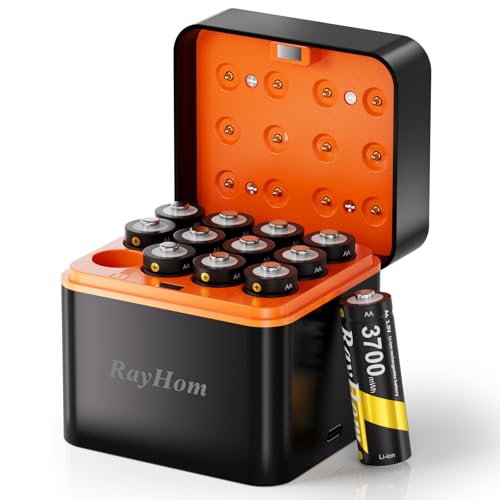
I prefer rechargeable AA lithium batteries with a smart charger when I need reliable, long-term power for multiple Blink cameras and other smart home devices. This 12-pack delivers 3700mWh per battery and maintains a steady 1.5V output, working well in temperatures from -20°F to 131°F. The batteries handle up to 1600 charge cycles, cutting waste and saving money over time. With a 12-slot smart charger using Type-C (5V/2A), all batteries charge fully in about 2 hours. Each slot works independently, and LED indicators show charging status, defects, or overheating, so I can monitor safety and performance clearly.
Best For: Homeowners and tech enthusiasts seeking reliable, long-lasting power for multiple smart home devices like Blink cameras, digital cameras, and motorized toys.
Pros:
- Delivers high 3700mWh capacity per battery with a consistent 1.5V output for stable device performance
- Supports up to 1600 charge cycles with a fast 2-hour recharge time via Type-C (5V/2A) on a 12-slot independent charger
- Features smart LED indicators for real-time monitoring of charging status, defects, and overheating protection
Cons:
- Higher initial cost compared to alkaline or basic NiMH rechargeable batteries
- May not be compatible with all battery chargers due to built-in protection circuitry
- Lithium chemistry may degrade faster if stored at extreme temperatures long-term
Lithium AA Batteries 16-Pack 3500mAh

You’ll get the most out of your Blink camera if you choose lithium AA batteries built for longevity and reliability, especially in challenging environments. I rely on the 16-pack of 3500mAh lithium AAs because they deliver sustained power, even in high-drain devices, and last up to 20 years in storage. They perform well in extreme temperatures, from -40°F to 140°F, making them ideal for outdoor security setups. Their triple-layer leak protection safeguards your camera, and while they’re non-rechargeable, their broad compatibility includes trail cameras, smoke alarms, and smart home devices. I recommend stocking up for long-term use.
Best For: Outdoor security and smart home device users needing long-lasting, reliable power in extreme conditions.
Pros:
- High 3500mAh capacity provides sustained power for high-drain devices like Blink and trail cameras
- Operates in extreme temperatures from -40°F to 140°F, ideal for indoor, outdoor, and industrial use
- Triple safety leak-proof design and 20-year shelf life ensure device protection and long-term readiness
Cons:
- Non-rechargeable, limiting sustainability and increasing long-term cost
- Higher upfront cost compared to alkaline batteries
- Not suitable for devices requiring rechargeable battery cycles
Enegitech AA Lithium Battery (24-Pack)

One of the the best choices for users who rely on long-term, low-maintenance power for their Blink Outdoor 4 Camera is the Enegitech AA Lithium Battery (24-Pack), especially when operating in extreme climates or remote locations. I’ve found these 1.5V, 3000mAh non-rechargeable batteries last 8 to 10 times longer than alkaline ones and maintain steady voltage throughout their life. They work reliably from -40°C to +60°C, making them ideal for harsh weather. They’re also lightweight, which helps in portable setups. I use them not just in my camera, but in smart locks and trail cameras too. Their higher upfront cost is balanced by fewer replacements, saving money and effort over time.
Best For: Users who need long-lasting, reliable power for high-drain devices like security cameras, smart locks, and trail cameras in extreme environments.
Pros:
- Lasts 8 to 10 times longer than alkaline batteries with consistent 1.5V voltage output
- Operates reliably in extreme temperatures from -40°C to +60°C, ideal for outdoor and remote use
- Lightweight design reduces overall device weight, beneficial for portable electronics
Cons:
- Higher initial cost compared to standard alkaline batteries
- Non-rechargeable, leading to increased waste over time
- Overkill for low-drain devices where battery life advantages are less noticeable
Enegitech AA Lithium Battery 1.5V (12-Pack)

The Enegitech AA Lithium Battery 1.5V (12-Pack) is an excellent choice for users who rely on long-term, low-maintenance power for outdoor smart devices, especially the Blink Outdoor 4 Camera. I’ve found these non-rechargeable batteries last 8 to 10 times longer than alkaline ones, delivering a steady 1.5V and 3000mAh capacity. They’re lightweight, which helps with device portability, and work reliably in extreme temperatures from -40°C to +60°C. I use them in my trail cameras and smart locks too. They cost more upfront than alkalines, but their lifespan and performance in harsh conditions make them a smart investment for outdoor security setups.
Best For: Outdoor enthusiasts and smart home users needing reliable, long-lasting power for devices like security cameras, trail cameras, and smart locks in extreme conditions.
Pros:
- Lasts 8 to 10 times longer than alkaline batteries with consistent 1.5V output
- Operates effectively in extreme temperatures from -40°C to +60°C
- Lightweight design enhances portability and device efficiency
Cons:
- Higher initial cost compared to standard alkaline batteries
- Non-rechargeable, requiring replacement after use
- May be overkill for low-drain or indoor devices
8 Pack Rechargeable AA Batteries with Fast Charger
For homeowners relying on Blink outdoor cameras to maintain consistent security coverage, having a dependable power source is non-negotiable. I recommend the 8-pack rechargeable AA lithium batteries with the included 4-bay fast charger-they deliver 1.5V steady output and 2600mWh capacity, ideal for high-drain devices. The charger powers up all eight batteries in about two hours, supports USB input, and lets me charge AA and AAA lithium batteries simultaneously. Each bay operates independently and stops automatically when full. With over 1000 charge cycles, they replace disposable batteries, cut waste, and save money long-term. They’re CE, RoHS, and 2006/66/EC compliant, plus built-in circuits protect against overcharge and short circuits-so I trust them for reliable, around-the-clock use.
Best For: Homeowners using high-drain devices like Blink outdoor cameras who need a reliable, long-lasting, and eco-friendly power solution.
Pros:
- Delivers stable 1.5V output and 2600mWh capacity, ideal for high-drain security cameras and household electronics
- Fast charging in about 2 hours with a 4-bay independent charger that supports mixed AA/AAA lithium battery charging via USB
- Built-in safety circuits and compliance with CE, RoHS, and 2006/66/EC standards ensure safe, durable operation over 1000+ charge cycles
Cons:
- Compatible only with 1.5V AA/AAA lithium batteries, not suitable for NiMH or alkaline battery types
- Charger does not support charging more than four batteries at once despite including eight batteries
- Higher initial cost compared to disposable alkaline batteries, though offset by long-term reuse
Factors to Consider When Choosing Batteries for Blink Camera
You’ll want batteries that last long and perform well, so look for ones with high capacity ratings and solid real-world testing results. Make sure they handle temperature swings, resist leaks, and stay charged when stored, since your Blink camera might face cold winters or sit unused for months. Also, always check that the batteries are compatible with your specific camera model to avoid issues down the line.
Longevity And Performance
When you’re relying on a Blink camera to keep your home secure, battery longevity and performance matter. You’ll want lithium batteries with 3000mAh or higher-they last considerably longer than standard alkaline ones. Lithium cells deliver a steady 1.5V output, ensuring your camera operates consistently, even during frequent use. Some high-capacity non-rechargeable lithium batteries offer up to 3500mAh, giving you extended runtime without unexpected shutdowns. They can last up to 5 times longer than alkaline thanks to superior energy density and ultra-low self-discharge-less than 2% per year. That means they hold their charge for up to 10 years in storage, so spares stay ready when needed. You’ll save time and money by replacing them less often. Choose high-capacity lithium for reliable, long-term performance.
Temperature Resilience
Even in the harshest climates, your Blink camera needs a battery that won’t quit. You need one rated for extreme temperatures, ideally operating between -40°F and 140°F. If you live in a freezing region, pick batteries proven to perform down to -68°F so your camera stays powered in winter. Equally, models resilient up to 140°F handle hot, sun-exposed spots without failing early. Look for stable chemical compositions that resist degradation when temperatures swing. Non-aqueous electrolyte designs help maintain voltage and reduce internal resistance in both cold and heat, keeping power steady. These batteries deliver consistent output where others might drop voltage or shut down. Don’t assume all lithium batteries handle extremes equally-check specs carefully. A temperature-resilient battery guarantees your camera records reliably all year, no matter the weather.
Leak Protection
A battery’s ability to withstand extreme temperatures means little if it leaks and ruins your camera. You need leak protection that keeps corrosive fluids away from your Blink’s sensitive electronics. Look for batteries with triple-layer leak-proof designs and sealed construction-they’re built to resist failure. Advanced spiral-wound technology and anti-leak valves maintain integrity, even under fluctuating temperatures and discharge rates. Lithium batteries use non-aqueous electrolytes, which lower leakage and corrosion risks compared to standard alkaline cells. Independent safety valves and multi-layer sealing rings help contain internal pressure, preventing rupture during long-term use. High-quality options stay leak-proof from -40°F to 140°F, matching the temperature resilience you already require. These features work together to protect your investment. Don’t risk damage from avoidable leaks-choose batteries engineered for containment and reliability in real-world conditions.
Shelf Life
For long-term reliability, prioritize batteries with a shelf life of up to 25 years, as they retain charge far longer than standard options and stay ready for use in emergency or infrequent situations. You’ll benefit from a low annual self-discharge rate of less than 2%, meaning batteries keep over 80% of their power after 10 years in storage. Some models hold their charge for at least a decade unused, making them dependable for backup needs. Extended shelf life cuts down on replacements, especially when you only check devices occasionally. Non-rechargeable lithium batteries are your best bet-they last longer than alkaline or rechargeable types because of stable internal chemistry. This means fewer battery-related failures and less maintenance over time. Choose lithium for dependable performance, even after years on the shelf. You’ll save money and avoid hassles in the long run.
Device Compatibility
You’ve seen how long-lasting shelf life keeps your batteries ready over years of storage, but now it’s time to focus on how well those batteries work inside your Blink camera. You need 1.5V AA batteries with stable voltage output to avoid malfunctions and keep your device running smoothly. Since Blink cameras are high-drain, choose batteries with 3000mAh or more to handle frequent use and extended operation. Look for low self-discharge rates-ideally retaining 90% charge over five years-so they stay powered when needed. Leak-proof construction is non-negotiable; it protects your camera’s sensitive electronics from corrosion. Performance in extreme temperatures, from -40°F to 140°F, guarantees reliability outdoors. Pick batteries that meet all these specs to match your camera’s demands and avoid costly downtime or damage.
Rechargeability Options
When choosing batteries for your Blink camera, rechargeable options offer a smart, sustainable solution that cuts long-term costs and reduces environmental waste. You can recharge them up to 1,600 times, making them far more economical than single-use batteries. They deliver a steady 1.5V output, so your camera gets consistent power without sudden drops. With a low self-discharge rate, they hold about 80% of their charge after a year in storage. Fast chargers top them off in just two hours, and models with independent slots let you charge one to four batteries at once. Built-in safety circuits protect against overcharging, over-discharging, and short circuits, giving you reliable, safe performance across many cycles. Choosing rechargeable means less waste, lower costs, and dependable operation for your home security setup.
Power Stability
While consistent power delivery might seem like a minor detail, it’s actually essential for keeping your Blink camera running smoothly. You need a stable 1.5V output to support reliable performance, especially since security cameras are high-drain devices. Lithium batteries are your best bet-they maintain steady voltage throughout their lifespan, unlike alkaline types that gradually decline. Look for a flat discharge curve, which guarantees full power until the battery nears depletion, preventing unexpected drops in camera function. A low self-discharge rate, under 2% per year, means the batteries hold their charge during storage, so they’re ready when you install them. This stability is vital in extreme temperatures, where some batteries falter. Choosing lithium guarantees consistent operation year-round, whether it’s summer heat or winter cold.
Frequently Asked Questions
How Long Do Lithium AA Batteries Last in Blink Cameras?
You can expect lithium AA batteries to last about 2 years in your Blink camera with average use. They perform well in extreme temperatures and drain slower than alkalines. You’ll get longer life in low-traffic areas with less motion detection. High usage may reduce that to around 12 months. They cost more upfront but save money over time. You won’t need frequent replacements, making them reliable for consistent security monitoring.
Can I Mix Old and New Batteries in My Blink Camera?
You shouldn’t mix old and new batteries in your Blink camera. Doing so causes uneven power delivery, reduces overall performance, and may lead to quicker drain or leakage. Always replace all batteries at once with the same brand, type, and charge level. This guarantees consistent voltage and maximizes camera uptime. Stick with high-quality lithium AA batteries for best results, and avoid mixing chemistries, like alkaline with lithium, to prevent damage or unreliable operation.
Are Rechargeable Batteries Safe for Outdoor Blink Camera Use?
Yes, you can use rechargeable batteries in your outdoor Blink camera, but they’re not recommended for reliable performance. Most rechargeable AA batteries have a lower voltage (1.2V) than alkalines (1.5V), which may cause power issues or disconnects. They also drain faster in cold weather. If you use them, pick high-quality lithium-ion rechargeables with a high cycle life. Monitor performance closely, especially in winter, and keep spares ready to avoid gaps in coverage.
Do Temperature Changes Affect Blink Camera Battery Performance?
Yes, temperature changes affect Blink camera battery performance. Cold weather slows chemical reactions in batteries, reducing power output and draining them faster. You’ll notice shorter battery life below 40°F or above 90°F. Lithium-based batteries handle extremes better than alkaline. For reliable outdoor use, install your camera in a shaded, covered area to minimize thermal stress. Avoid direct sun and freezing exposure to maintain performance.
Will Using Non-Lithium Batteries Void My Blink Camera Warranty?
No, using non-lithium batteries won’t void your Blink camera warranty. The warranty covers defects and malfunctions, not battery choice. But Blink designs its cameras for lithium batteries, so using alkaline or rechargeable ones may cause poor performance. You’ll likely see shorter battery life and unreliable operation, especially in cold weather. For best results, stick with AA 1.5V lithium non-rechargeable batteries-they’re pricier upfront but last longer and handle temperature swings better.