An In-depth Look at Personal Alarm Systems and Their Impact on Deterrence
You can deter crime effectively with a personal alarm that emits 120–130 decibels, comparable to a jet engine, startling attackers and drawing attention. These devices work instantly with a button or pull pin, require no subscription, and cost under $30. Ideal for seniors, parents, or those living alone, they offer security through noise, not strength. Top models are compact, weather-resistant, and feature long battery life. You’ll find more key insights below.
Notable Insights
- Personal alarms deter crime by emitting loud noises up to 130 decibels, startling attackers and drawing immediate attention.
- The psychological impact of sudden high-decibel sound increases perceived risk, causing most aggressors to flee.
- Visible personal alarms signal preparedness, making users less appealing targets and reducing confrontation likelihood.
- Devices feature easy activation via button or pull pin, with some models offering voice or automatic triggering during emergencies.
- High-performance alarms combine 120+ decibel output, compact design, long battery life, and weather resistance for reliable use.
Do Personal Alarms Really Deter Crime?
Why would someone rely on a personal alarm to stop a would-be attacker? Because it creates an immediate psychological impact, startling the aggressor and disrupting their intent. You’re not just protecting yourself-you’re changing the situation. The sudden, loud noise can shock an assailant, giving you critical seconds to escape. Beyond sound, there’s social perception: attackers often seek easy targets, and your alarm signals you’re prepared, reducing your appeal. Studies show that visible deterrents like personal alarms can lower the chance of confrontation. While not 100% effective, they’re affordable, easy to carry, and require no monthly fees. Pros include instant activation and portability; cons involve limited range and dependence on your reaction time. For best results, pair your alarm with awareness and safety planning. It’s not a guarantee, but it’s a smart, evidence-backed layer of defense. Top models offer features like 130-decibel sound, making them highly effective at drawing attention.
How Personal Alarms Work in Emergencies
When danger strikes, a personal alarm can act fast-typically emitting a loud sound between 100 and 130 decibels as soon as you pull a pin or press a button. This sudden noise can startle attackers and draw attention, giving you time to escape. Many models now include voice activation or automatic triggering, which activate the alarm without manual input if motion or sound patterns suggest distress. These features help when you can’t reach the device. For added peace of mind, consider one of the top-rated panic buttons that combine reliability, ease of use, and enhanced safety features.
| Feature | Benefit |
|---|---|
| Voice activation | Hands-free use; ideal during falls |
| Automatic triggering | Responds to sudden movements or sounds |
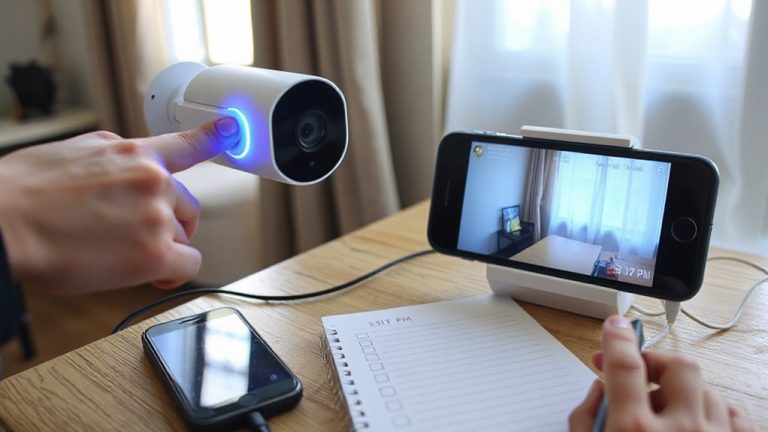
Choose a model with long battery life and test it monthly. Alarms are affordable-usually under $30-and require no subscription. Make sure it’s loud enough to alert neighbors, especially indoors.
Who Gains the Most From Wearing a Personal Alarm?
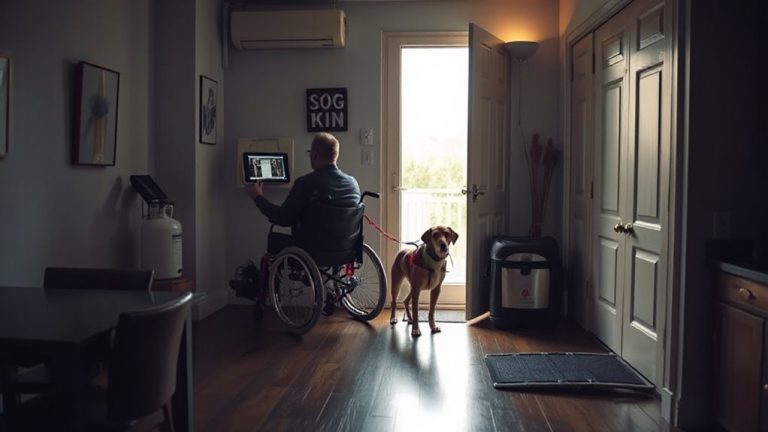
You already know how personal alarms respond during emergencies with loud, attention-grabbing signals, but not everyone benefits equally from using one. Seniors, people with medical conditions, and those living alone often gain the most, as these devices offer psychological comfort and a sense of security. For someone managing anxiety or mobility issues, wearing an alarm can reduce fear during daily routines. Parents of children with autism or dementia patients also benefit, since alarms help locate loved ones if they wander. Yet, some users avoid them due to social stigma, fearing they’ll appear vulnerable or frail. Modern designs now resemble smartwatches to reduce that concern. Look for models with long battery life and easy activation. Monthly costs range from $0 to $20, depending on monitoring features. Choose based on your needs, not assumptions. Some of the most effective options include best personal safety devices for seniors.
Why Loud Alarms Can Scare Off Attackers
Though attackers often rely on stealth and surprise, a sudden, piercing sound can disrupt their plans and draw unwanted attention-something you can use to your advantage. Loud personal alarms typically reach 120 to 130 decibels, a noise intensity comparable to a jet engine, making them hard to ignore. This high volume triggers a strong psychological impact, startling would-be assailants and increasing their fear of being seen or caught. Studies show most attackers prefer low-risk situations, and sudden noise increases perceived risk, prompting them to flee. You don’t need physical strength to activate an alarm, making it effective for many users. The sound also alerts nearby people, potentially bringing help fast. While not a guarantee, the combination of noise intensity and psychological impact greatly reduces the likelihood of continued threats. Always test your device monthly to verify it works when needed.
Top Features of Effective Personal Alarms
A loud alarm can stop an attacker in their tracks, but not all personal alarms deliver the same level of protection-what sets the most effective models apart are specific, measurable features. You want an alarm that reaches at least 120 decibels, loud enough to draw attention in most environments. Alarm design matters too; compact, lightweight units with easy-to-activate buttons are more likely to be used correctly under stress. Many top models include built-in clips or lanyards, so you can carry them securely. Don’t overlook battery life-opt for models with long-lasting batteries that last months, and check if replacements are readily available. Some alarms include low-battery indicators, which help maintain reliability. Look for weather-resistant materials, especially if you’re outdoors often. These features, backed by real-world testing, increase your odds of staying safe when seconds count.
Pick the Best Personal Alarm for Your Life
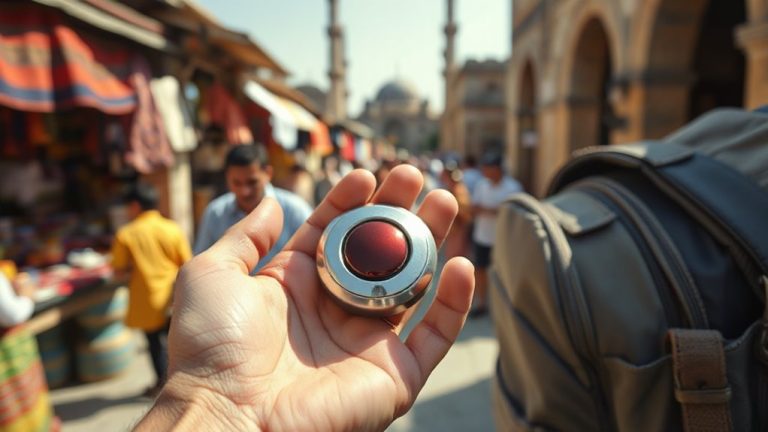
Since personal safety needs vary by lifestyle and environment, choosing the right personal alarm means matching key features to your daily routine. Consider your typical activities-walking at night, traveling, or staying home-when evaluating battery life and ease of use. Frequent users need long battery life to avoid constant recharging, while seniors or children benefit from simple activation. Below is a comparison to guide your choice:
| Feature | High Priority Use | Low Priority Use |
|---|---|---|
| Battery life | Daily outdoor activities | Occasional home use |
| Ease of use | Seniors, children | Tech-savvy adults |
| Alarm volume | Urban areas, parks | Quiet neighborhoods |
Choose based on real habits, not fear. A well-matched alarm offers reliable deterrence through practical design and consistent performance where and when you need it most.
On a final note
You can rely on personal alarms to deter attackers, as loud sounds often startle and draw attention, making criminals flee. They work best when paired with quick escape and awareness. Seniors, women, and those in high-risk areas benefit most. Look for loud decibels, easy activation, and long battery life. While not a standalone solution, they’re a practical, affordable layer of defense when used with other safety strategies.