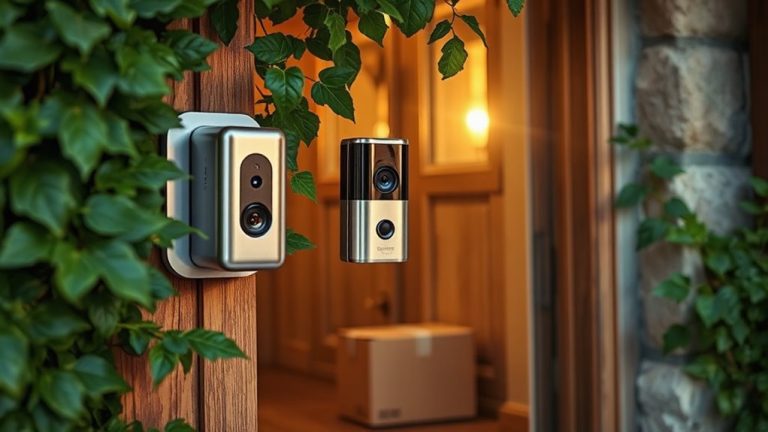
Using Smart Locks To Enhance Your Home’s Security System: An Expert’s Guide To Installation And Maintenance
Choose a smart lock that fits your door’s thickness and works with your smart home system, like Alexa or Google Home. Install it by removing the old deadbolt, aligning the new hardware, and connecting it to Wi-Fi or Bluetooth. Use lithium batteries for longer life and better performance. Fix common issues like misalignment or weak signals with simple adjustments. Keep firmware updated and sync with security systems for real-time alerts. You’ll discover smarter ways to secure your home with the right setup and care.
Notable Insights
- Choose a smart lock that integrates with your existing security ecosystem for seamless automation and monitoring.
- Ensure proper installation by verifying door compatibility and aligning the bolt correctly to prevent security gaps.
- Prioritize Wi-Fi or hub-connected models to enable remote access, real-time alerts, and integration with cameras or alarms.
- Maintain battery life with high-quality lithium cells and replace them every 6–12 months to avoid lock failure.
- Regularly update firmware and use mechanical override options to safeguard access during power or network outages.
How to Choose the Right Smart Lock for Your Home
While picking the right smart lock might feel overwhelming with so many options, focusing on key features can simplify your decision. You’ll want to take into account design aesthetics first-choose a finish and style that matches your door and home exterior, since a sleek, durable build often signals quality. Don’t overlook compatibility options: check if the lock works with your existing deadbolt, door thickness, and smart home platform, like Alexa, Google Home, or Apple HomeKit. A model that isn’t compatible will create more work or cost later. Look for Bluetooth or Wi-Fi connectivity based on your needs, keeping in mind Wi-Fi models offer remote access but may raise monthly fees. Battery life averages six to twelve months, so plan for replacements. Prioritize reliability and ease of use over flashy features. For seamless integration with voice assistants, consider models from the Best Smart Locks for Google Home list to ensure full functionality.
Install Your Smart Lock in 6 Simple Steps
Now that you’ve picked the right smart lock based on design, compatibility, and connectivity, it’s time to get it set up on your door. First, remove your old deadbolt using a screwdriver. Next, attach the exterior assembly, aligning it with the door’s edge. Then, install the interior housing, securing it with provided screws. Connect the internal components, making sure wiring is snug and clear of moving parts. Insert batteries or connect to other power sources as specified-most models use AA batteries, but some support hardwiring. Finally, pair the lock to your home network, enabling Wi Fi connectivity so you can monitor and control access remotely. Follow the manufacturer’s app instructions to complete setup. This process usually takes under 30 minutes and doesn’t require advanced tools. Proper alignment and fresh power sources guarantee reliable operation from day one. For added peace of mind, consider choosing one of the top smart lock picks based on expert testing and user reviews.
Fix Common Setup Issues in Minutes
What happens when your smart lock won’t connect to Wi-Fi or the bolt doesn’t extend fully? You’re not alone-these are common setup issues. First, check for WiFi interference from nearby devices or thick walls; relocating your router or using a signal extender can help. If the bolt sticks, realign the strike plate or lubricate the mechanism with graphite spray. Battery drainage is another frequent problem; make certain you’re using high-quality lithium batteries, not alkaline, which can leak and cause damage. Avoid letting the battery drop below 20%. If pairing fails, reset the lock via the manufacturer’s app and try again in a low-interference zone. Most fixes take under 10 minutes. Regular maintenance prevents most issues, so inspect seals and power levels monthly to keep your system running smoothly. For reliable performance, choose from the best smart locks based on expert testing and user feedback.
Sync Your Smart Lock With Home Security
How do you make your smart lock work seamlessly with the rest of your home security system? Start by ensuring your smart lock supports Wi-Fi integration, which lets it communicate with security cameras, alarms, and monitoring services. This connection allows you to receive real-time alerts when doors are locked or opened. Pair it with a compatible hub to enable automation, like triggering indoor lights when the lock disengages. Voice control adds convenience-use smart speakers to lock doors hands-free, though response delays can occur if your network is slow. Make sure all devices use the same ecosystem, like Google Home or Amazon Alexa, to minimize compatibility issues. Wi-Fi integration does increase power use, so check battery levels regularly. Proper setup improves responsiveness and reliability, giving you better control without sacrificing security.
Keep Your Smart Lock Working Smoothly
You’ve set up your smart lock to work with your home security system, but keeping it running smoothly requires ongoing care and a few simple habits. Regular firmware updates guarantee your lock has the latest security patches and performance improvements-most models notify you via app, so enable those alerts. Check for updates every few months, especially if you notice slower response times. Battery replacement is just as essential; low power can cause malfunctions or lockouts. Most smart locks use common batteries like AA or AAA, lasting 6–12 months under normal use. Set calendar reminders to check battery levels every three months, or rely on app notifications. Using lithium batteries can extend life and improve performance in extreme temperatures. Avoid mixing old and new batteries, as this reduces efficiency. With consistent firmware updates and timely battery replacement, your smart lock stays reliable, secure, and fully integrated with your system.
Troubleshoot Smart Lock Failures Fast
Why does your smart lock sometimes fail to respond when you’re standing at the door? It’s often due to Wi-Fi interference from nearby devices or thick walls blocking the signal, causing delays or connection drops. If your network is unstable, consider placing a Wi-Fi extender near the door. Power outages can also disable smart locks that rely on constant electricity, so check if your model has a battery backup or uses standard replaceable batteries. Always keep spares on hand. Some systems store access logs, letting you trace failures to specific times-matching those with outage reports helps confirm the cause. Test the lock monthly by locking and unlocking remotely. If problems persist, update firmware through the manufacturer’s app. Choosing a lock with low-voltage alerts and a mechanical key override gives you flexibility during failures. Prioritize models with strong encryption and local control to reduce downtime risks.
On a final note
You’ve chosen a smart lock that fits your needs, installed it correctly, and synced it with your security system. Regular updates and battery checks keep it reliable. Remember, no lock is foolproof-combine it with strong passwords and two-factor authentication. Over time, maintenance prevents failures. Smart locks offer convenience and added security, but only when used wisely. Plan for costs, from setup to long-term use.