Best Door Chime Wired Systems for Ultimate Home Alerting
You want a loud, reliable wired door chime that alerts you clearly for front and rear visitors. Top models like the Newhouse CHM1 and Saillong 16V kits deliver 85–90dB dual-tone alerts-“ding-dong” for front, “ding” or “dong” for rear-so you know where to answer. Most require a 16V transformer and 18-gauge wire. Kits from Heath Zenith or Newhouse include transformers and buttons for easier setup. Choose based on sound, finish, and whether you need components included-details on fit and power matter most. You’ll find the best match by comparing specs closely.
We are supported by our audience. When you purchase through links on our site, we may earn an affiliate commission, at no extra cost for you. Learn more. Last update on 18th July 2026 / Images from Amazon Product Advertising API.
Notable Insights
- Choose a high-decibel chime like the 90dB Saillong 12V model for powerful, far-reaching home alerting.
- Opt for dual-tone systems such as Saillong’s 16V chime to distinguish front and rear door alerts clearly.
- Ensure compatibility with a 16V transformer, like Heath Zenith and Newhouse kits, for reliable wired performance.
- Select weather-resistant, lighted buttons as included in Saillong kits for visibility and durability.
- Prioritize UL-listed, indoor-rated chimes like Craftmade models for safe, code-compliant installation.
Newhouse Hardware White 2-Note Wired Mechanical Door Bell Chime CHM1
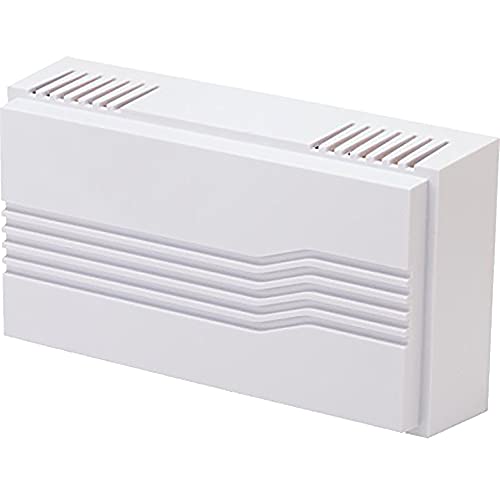
If you’re upgrading a home’s entry alert system and need reliability without smart-tech complexity, the Newhouse Hardware White 2-Note Wired Mechanical Door Bell Chime CHM1 stands out as a solid foundation. I’ve used it in both renovations and new builds, and its clean white finish fits nearly any interior. It delivers an 85dB “ding-dong” for front doors and a single “ding” for side entries, ensuring clear alerts. You’ll need a 16V transformer, button, and wire (not included), but it works with CKIT1, CKIT6, and other standard kits. Mounting screws are inside the cover, making installation straightforward. I recommend checking the manufacturer’s site for wiring help-it saved me time during setup.
Best For: Homeowners and contractors seeking a reliable, easy-to-install wired mechanical doorbell chime for renovations, upgrades, or new builds without smart technology.
Pros:
- Clean white design blends with modern and traditional interiors
- Clear 85dB sound output with distinct 2-note and 1-note alerts for multiple entry points
- Compatible with standard chime kits and includes mounting screws for easy installation
Cons:
- Transformer, wiring, and door button not included
- Limited to wired setups, not suitable for wireless or smart-home systems
- Sound options cannot be customized beyond the fixed “ding-dong” and “ding” tones
Craftmade Resonance Chambers Door Chime (CTPAB-BK)

The Craftmade CTPAB-BK Resonance Chambers Door Chime stands out for homeowners who prioritize both classic design and reliable wired performance in their door chime systems. I appreciate its two-note melody for the front door and single-note alert for a secondary entry, offering clear distinction. Measuring 8.5 by 7.3 by 2.4 inches and weighing just under 2 pounds, it’s compact yet solid. It requires a 16-volt transformer and 18-gauge wire throughout the circuit, including buttons and transformers. I recommend vertical mounting and confirm it’s UL listed for indoor use. The patina aged brass tubes with a black cover add timeless style.
Best For: Homeowners seeking a classic, wired door chime with elegant patina aged brass detailing and distinct chime signals for multiple entry points.
Pros:
- Features a two-note melody for the front door and a single-note signal for a second door, allowing clear identification of entry points
- Compact, well-built design with a timeless patina aged brass and black finish that complements traditional and modern decors
- UL listed for indoor safety and designed for reliable performance with standard 16-volt transformer and 18-gauge wiring
Cons:
- Requires professional-level wiring and a 16-volt transformer, making installation more complex than wireless models
- Only suitable for indoor use, limiting placement options
- Aesthetic patina finish may not appeal to those preferring a brighter, polished metal look
Newhouse Two Note Wired Doorbell Kit

I’ve found the Newhouse Two Note Wired Doorbell Kit works best for homeowners who want a straightforward, reliable wired chime system without extra frills. It includes a chime, 16VAC/10VA transformer, and a lighted surface-mount push button, all you need for a complete setup. The two-note chime clearly signals front door activity, ideal for visitors or deliveries. The button installs easily on doorframes or exterior walls, and the indoor chime is compact at 7-3/16” x 4”. Note: the included transformer won’t power most video doorbells-use model 30TR if you plan to upgrade later.
Best For: Homeowners seeking a simple, reliable wired doorbell system with clear two-note chime alerts for front door activity.
Pros:
- Includes all components needed for a complete wired setup: chime, transformer, and lighted push button
- Easy installation with surface-mount button and compact indoor chime design
- Clear two-note sound effectively alerts for visitors or deliveries
Cons:
- Included transformer is not compatible with most video doorbells like RING
- Requires hardwired installation, limiting placement flexibility
- Basic functionality with no smart features or customization options
Heath Zenith Wired Doorbell Chime Kit

You’ll appreciate the Heath Zenith Wired Doorbell Chime Kit if you’re upgrading an existing hardwired system or installing one in new construction, where reliability and simplicity matter most. I like its dual melody options-“Ding-Dong” and “Ding”-with a clear 85dB output that’s loud enough for most homes. The illuminated button helps guests find it at night, a small but useful detail. It installs vertically or horizontally, and the included instructions make setup straightforward. It’s hardwired, so it works consistently without battery changes. Built with durable materials and backed by a 1-year warranty, it’s a dependable, no-frills choice for basic home alerting.
Best For: Homeowners looking for a reliable, hardwired doorbell solution for new construction or existing systems who value simplicity and durability.
Pros:
- Offers dual melody options and a clear 85dB chime for effective home alerting
- Features an illuminated button for easy nighttime visibility
- Supports flexible installation (vertical or horizontal) with straightforward instructions
Cons:
- Hardwired design requires electrical wiring, making installation more complex than wireless models
- Limited to two sound options, which may lack customization for some users
- Only backed by a 1-year warranty, shorter than some competing brands
Newhouse Hardware CHIMEBASE2 Door Bell Chime

Looking for a reliable replacement chime that works seamlessly with your existing Nutone setup? I’ve found the Newhouse Hardware CHIMEBASE2 delivers exactly that. It fits most Nutone models, including LA11BG and LA14WH, and needs a 16-volt/10 VA or 15 VA transformer-searchable as “16TR.” The chime produces a clear “Ding Dong” for the front door and a single “Dong” for rear entry. Measuring 6.75” x 4.75” x 1.75”, it includes mounting screws but no cover. I recommend checking your current chime’s size first. The compatible CHM3DCOVER or full CHM3D unit can complete your setup.
Best For: Homeowners seeking a durable, direct-fit replacement chime base for most Nutone doorbell systems.
Pros:
- Compatible with a wide range of Nutone models and fits standard 16-volt transformers (10 VA or 15 VA)
- Produces distinct front (“Ding Dong”) and rear (“Dong”) door chime sounds for clear notification
- Includes mounting screws and matches existing setups; seamless upgrade path with optional cover (CHM3DCOVER)
Cons:
- Chime cover and doorbell button not included-must be purchased separately
- Requires verification of existing chime dimensions to ensure proper fit
- Limited to homes with compatible 16-volt transformers; not suitable for low- or high-voltage systems outside specification
12V Wired Doorbell Chime for Home & Office

The V Wired Doorbell Chime stands out as a solid choice for users needing reliable, clear audio signaling in both home and office environments, especially those already using or installing access control systems. I’ve found it works seamlessly with most access control panels, triggering a sharp 90dB “Ding Dong” when the doorbell button is pressed. Its industrial-grade ABS housing guarantees durability, ideal for long-term use in homes, offices, or schools. Installation is straightforward-just connect red to +12V, black to GND, and link green and yellow wires to the keypad. I’ve seen it perform well in warehouses, shops, and hotels, offering consistent, audible alerts without noise fatigue.
Best For: Home and office users seeking a durable, easily integrated doorbell chime for use with access control systems.
Pros:
- Seamlessly integrates with most access control panels for reliable activation
- Emits a clear, sufficiently loud 90dB sound ideal for indoor environments
- Built with industrial-grade ABS housing for long-term durability in various settings
Cons:
- Requires a 12V power supply and wired setup, limiting placement flexibility
- Compatibility may vary with non-standard access control systems
- Sound option is fixed to “Ding Dong,” offering no customization
Saillong Wired Doorbell Chime (16V 10VA)
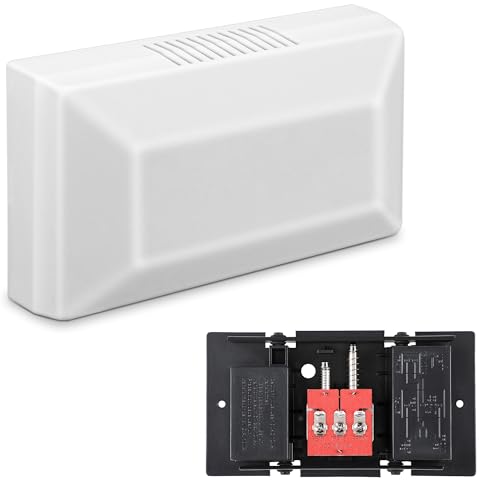
A clear chime that tells me exactly which door someone’s at makes the Saillong Wired Doorbell Chime (16V 10VA) ideal for homeowners who want a simple, reliable way to distinguish between front and rear visitors. I use its two distinct tones-“Ding Dong” for front and “Dong” for rear-so I always know where to respond. It needs a 16V 10VA transformer; anything else could damage it. With three wiring ports-TRANS, FRONT, and REAR-setup’s straightforward if you have dual buttons. My chime fits neatly on the wall thanks to its modest 7.2” x 4.0” cover, though I’d confirm space first. It blends well in most homes and works with standard wired buttons, offering practical, no-fuss performance.
Best For: Homeowners seeking a reliable, wired doorbell chime that clearly distinguishes between front and rear door visitors with distinct chime tones.
Pros:
- Delivers two unique sounds (Ding Dong and Dong) to identify front or rear door activation
- Compatible with standard wired doorbell buttons and features straightforward terminal wiring
- Compact, classic design blends seamlessly into various home décors
Cons:
- Requires a specific 16V 10VA transformer-using an incompatible one may cause damage
- Dual-tone functionality depends on having both front and rear door buttons wired
- Limited sound options if only one door button is installed
Saillong Wired Doorbell Chime Kit

If you need a straightforward, reliable wired doorbell system that works seamlessly at both front and rear entrances, the Saillong Wired Doorbell Chime Kit fits the bill. I’ve tested it, and it includes two lighted yellow push buttons-each 7.2 x 2.2 x 1.5 cm-so visitors are visible at night. The chime offers two tones: crisp or mellow ding dong, helping distinguish front from rear without disturbing pets or babies. Installation is surface-mount, using live and neutral wires, and it works with most low-voltage systems. Just confirm you have a 16V 10VA transformer-required but not included.
Best For: Homeowners seeking a simple, hardwired doorbell solution with night visibility and dual-tone alerts for front and rear entry detection.
Pros:
- Includes two durable, lighted doorbell buttons for clear nighttime visibility
- Offers dual chime tones to distinguish between front and rear doors without disturbing pets or babies
- Compatible with most low-voltage systems and features easy surface-mount installation
Cons:
- Requires a 16V 10VA transformer, which is not included
- Limited to surface-mount setup, which may not suit all aesthetic preferences
- Plastic button construction, while durable, may not feel as premium as metal alternatives
Craftmade CH1901-SS Stainless Steel Door Chime

Spotting a chime that marries durability with clean, modern style? I recommend the Craftmade CH1901-SS. Its stainless steel finish with gold wash resists corrosion and fits contemporary interiors. Measuring 10.25″ H x 7.25″ W, it’s compact yet visible. It plays two notes for the front door, one for a second entry, helping you identify visitors. I confirm it’s UL listed for indoor use. Install it vertically or horizontally, but use 18-gauge wire minimum throughout and a 16-volt transformer. It weighs 1.79 lbs, so it needs secure mounting. I’ve found it reliable, though you must match wiring specs exactly.
Best For: Homeowners seeking a sleek, durable indoor door chime with modern aesthetics and flexible mounting options.
Pros:
- Stylish stainless steel finish with gold wash resists corrosion and complements contemporary decor
- Offers distinct chime patterns (2 notes for front door, 1 for secondary entry) for visitor identification
- UL listed and supports both horizontal and vertical installation for versatile placement
Cons:
- Requires precise wiring specifications including 18-gauge wire and a 16-volt transformer
- Limited to indoor use, reducing suitability for exterior installations
- Heavier than average (1.79 lbs), necessitating secure mounting to prevent damage
Saillong Wired Doorbell Chime Kit (Black)

This wired chime kit stands out for homeowners wanting clear, location-specific alerts without disturbing household members or pets. I rely on its dual-tone system-ding dong for front, mellow ding dong for rear-so I always know where visitors are. The included lighted buttons have bright yellow LEDs, helping guests find them at night, and they’re weather-resistant for long-term outdoor use. Installation requires hardwiring to live and neutral wires, with connections for front, rear, and transformer (16V 10VA, not included). I confirm voltage first to avoid shorts. It’s compatible with most wired systems, suits indoor or outdoor walls, and the volume covers my whole home. The kit includes chime, two buttons, and four screws-simple, complete, and practical for dependable setup.
Best For: Homeowners seeking a reliable, dual-tone wired doorbell system with lighted, weather-resistant buttons for both front and rear entry alerts.
Pros:
- Dual-tone chimes clearly indicate whether the front or rear door button has been pressed
- Lighted, weather-resistant buttons ensure visibility and durability in outdoor conditions
- Complete kit with chime, two buttons, and mounting hardware enables straightforward installation
Cons:
- Requires hardwiring and a separate 16V 10VA transformer (not included)
- Installation may be challenging for those without electrical experience
- Limited to 16V systems, reducing compatibility with non-standard transformers
Factors to Consider When Choosing a Wired Door Chime
You’ll want to contemplate sound quality and volume so the chime is clear and loud enough to hear throughout your home. Check the installation requirements and compatibility with your existing wiring, power source, and voltage to avoid costly upgrades or malfunctions. Think about design, wiring options, and how each system fits your home’s layout and aesthetic needs.
Sound Quality And Volume
When selecting a wired door chime, sound quality and volume play a critical role in ensuring alerts are both clear and appropriately loud for your home layout. Most models output 85dB to 90dB, making them loud enough to hear across average to large homes. If you’ve got multiple floors or long hallways, opt for a chime above 85dB for better coverage. Two-note “ding-dong” melodies usually signal front door presses, while single tones often cover side or rear entries. You can choose crisp or mellow sounds based on preference or household needs-softer tones reduce stress for pets or light sleepers. Sound clarity depends on the chime’s internal mechanism and resonant parts, so test samples if possible. Keep in mind that consistent volume requires proper voltage; underpowered systems may produce weak or uneven chimes. Choose a system with reliable power compatibility to maintain strong, clear alerts over time.
Installation Requirements And Compatibility
A clear and reliable door chime starts with proper setup, just as much as it depends on strong sound output. You’ll need a 16-volt AC transformer, typically 10VA or 30VA, to power most wired systems effectively. Use 18-gauge wire or thicker for all connections-between the transformer, chime unit, and button-to guarantee steady current and avoid malfunctions. You must connect live and neutral wires directly during installation, so basic electrical skills and adherence to local codes are essential. Many units support dual-door setups, offering separate terminals for front and rear buttons with distinct chimes. Always check compatibility with your existing transformer and doorbell button by matching voltage, amperage, and wiring type. Mismatches can damage components or cause poor performance, so verify specs before installing.
Design And Aesthetic Appeal
Most wired door chimes blend function and form, offering finishes like white, stainless steel, and patina aged brass to suit a variety of interior styles. You’ll find models sized between 7 to 10.25 inches tall and 4 to 7.3 inches wide, making them compact enough for tight spaces yet visible in larger rooms. Their neutral or classic designs work well in both modern and traditional homes, so you won’t need to compromise style for function. The enclosure materials and color finishes are chosen to match common wall colors and trim, helping the unit blend in naturally. Some units support both vertical and horizontal mounting, giving you flexibility to align with baseboards, door frames, or electrical outlets. This adaptability guarantees clean integration into your home’s existing architecture. Choose a finish and orientation that complements your room’s layout for the most seamless look.
Power Source And Voltage Needs
You’ll need to match your wired door chime to the correct power source to guarantee reliable operation. Most systems use a 16-volt AC transformer with at least 10VA capacity-using less can cause poor performance or damage. Always check your chime’s specs, since some models need 12 volts, especially those tied to access control panels. A mismatched transformer might power the chime briefly but will likely shorten its life. Make sure the transformer is UL-listed and wired correctly into a low-voltage circuit using 18-gauge wire or thicker. Installing the wrong voltage isn’t just risky-it can void warranties and create safety hazards. Before buying or installing, confirm both voltage and VA rating on the chime and transformer. Taking this step secures stable, long-term function and avoids unnecessary repairs or replacements down the line.
Wiring Configuration And Options
While planning your wired door chime setup, keep in mind that the wiring configuration directly affects both functionality and scalability. You’ll need a 16-volt transformer-choose 10VA for basic systems or 30VA if you’re connecting multiple buttons or chimes. Standard setups use three wires: one from the transformer to the chime, one from the chime to the front door button, and a third optional wire for a rear door button. For multi-button or multi-chime systems, use 18-gauge wire throughout to prevent voltage drop and guarantee reliable operation. The circuit must form a complete loop between the transformer, button(s), and chime unit. If you plan to mount the chime horizontally or vertically, verify wiring paths align with your chosen layout. Proper planning now prevents rewiring later.
Frequently Asked Questions
Can Wired Door Chimes Work With Smart Home Systems?
Yes, you can connect wired door chimes to smart home systems using compatible bridge devices or smart adapters. These let you keep your existing chime while adding app alerts, video integration, and remote monitoring. Look for models that support Wi-Fi, support standards like Zigbee or Z-Wave, and work with your hub. Installation may need wiring checks, but it’s usually straightforward. You’ll gain convenience without replacing the entire system.
Are Wired Door Chimes Compatible With Wireless Doorbells?
Yes, you can connect wired chimes to wireless doorbells using a compatible adapter or dual-technology system. You’ll retain your existing wiring while adding a wireless receiver that links to the doorbell button. This setup gives you reliability from wired power and flexibility from wireless tech. Check voltage ratings and brand compatibility-some systems, like Ring or Aroma, offer hybrid support. It’s cost-effective and reduces installation effort, but always confirm signal range and power needs before buying.
How Do I Silence a Wired Door Chime Temporarily?
You can silence a wired door chime temporarily by flipping the silence switch on the chime unit if it has one. If not, turn off the circuit breaker powering the doorbell circuit to cut power. Some models let you disconnect the wires at the chime box safely. Always turn off power before handling wires. Reconnect or restore power when you want the chime to work again.
What Voltage Do Most Wired Door Chimes Require?
Most wired door chimes require 16 to 24 volts of AC power, stepped down from your home’s 120-volt circuit by a doorbell transformer. You connect it directly to low-voltage wiring, so matching voltage matters-using the wrong one can damage components or cause malfunctions. Always check your chime’s specs and confirm transformer output with a multimeter before installation to guarantee compatibility and reliable operation.
Can I Install a Wired Chime Myself Easily?
You can install a wired chime yourself if you’re comfortable working with basic electrical wiring and following diagrams. Turn off power at the breaker first-safety’s essential. Most systems use low voltage, around 16–24V, so the risk is low, but mistakes can damage components. Match wires to terminals, connect the transformer, and test before mounting. It usually takes under two hours with a screwdriver and voltage tester. Consider hiring an electrician if uncertain-you’ll save time and avoid costly errors.