Teaching Kids Basic Home Security Measures: A Fun Guide to Keeping Your Family Safe
You can teach your kids home security by turning locks and routines into daily habits, using fun practices like scavenger hunts and role-playing. Set a secret family code word, practice doorbell and phone safety, and create a clear emergency plan with a known meeting spot. Make it engaging with weekly check-ins and rotating responsibilities. This builds awareness without fear, giving your family practical, lasting protection they’ll use confidently every day. There’s more to explore on making safety both consistent and enjoyable.
Notable Insights
- Turn locking doors and windows into a daily game with rewards for consistent participation.
- Create a secret family safe word that changes every few months to spot suspicious strangers.
- Practice answering the door and phone through fun role-playing with common real-life scenarios.
- Design a simple emergency plan with a memorable outdoor meeting spot and monthly drills.
- Host weekly security scavenger hunts to find locks, alarms, and emergency contacts with small prizes.
Teach Kids to Lock Doors and Windows Properly
A secure home starts with simple habits, and teaching kids to lock doors and windows properly is one of the most effective first steps. You can make this routine easy by turning Door checks into a daily habit-always verify locks before bed or when leaving the house. Window watches are just as important; make certain all windows, especially on lower levels, are latched and secured. Kids should know where keys are kept and how to use them correctly without rushing. Practice the steps until they become automatic. Use consistent language and clear instructions to avoid confusion. This method costs little but improves safety considerably. While not foolproof, it reduces break-in risks. Combine these habits with other layers of security later. Teaching responsibility early builds confidence and awareness. Door checks and Window watches aren’t just chores-they’re foundational skills for home safety. Upgrading to secure best window locks can further enhance protection against potential intruders.
Create a Home Security Safe Word for Kids
What if a stranger ever showed up claiming to need your child’s help-would your child know how to respond? You can help them stay safe by creating a secret code known only to your household. This family signal lets kids verify if someone truly represents your family. Choose a word or phrase that’s easy to remember but not obvious, like “pineapple” instead of a pet’s name. Update it every few months to maintain effectiveness. A secret code works best when paired with clear rules-no exceptions. It acts as a mental barrier against manipulation. While simple, it adds a strong verification layer. There’s no cost, and setup takes minutes. It doesn’t replace supervision, but strengthens communication. Make sure every child knows it, practices it, and understands when to use it. This small step improves your overall home security plan considerably.
Practice Doorbell and Phone Safety Together
When the doorbell rings or the phone buzzes, do your kids know whether to answer? Teaching them about stranger danger and personal boundaries is key. Never let young children answer the door alone-establish a rule they must check with an adult first. For phone calls, instruct them not to share personal information, like your address or whether they’re home alone. Use role-playing to practice: What if someone says they’re a delivery driver or a family friend? Reinforce that “no” is a valid answer when they feel uncomfortable. These drills build confidence and awareness. Consistency helps solidify habits, reducing risk. Pair verbal rules with home security tools, like doorbell cameras, which let you verify visitors without opening the door. Monitoring calls and visitors strengthens boundaries while promoting independence in a controlled way. This proactive approach works best when practiced regularly. A reliable best camera doorbells can enhance safety by providing real-time video of who’s at the door.
Make an Emergency Plan Kids Can Remember
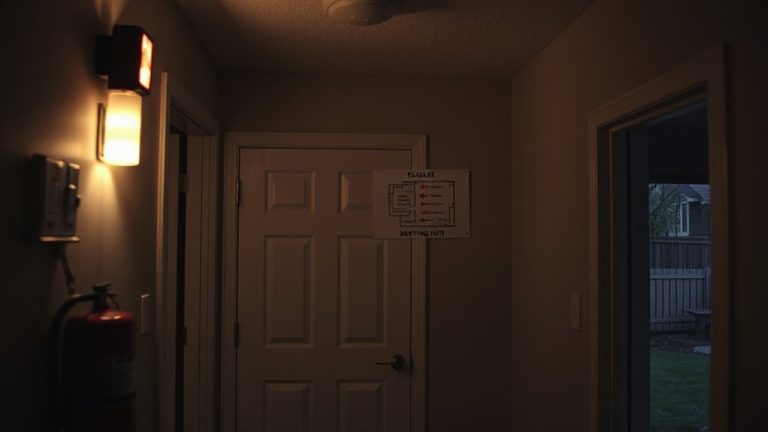
How would your child respond if a fire broke out or someone broke into your home while you were asleep? Creating a clear emergency plan they can remember is critical. Start with a family checklist to outline roles, signals, and safety spots. Practice your escape route regularly so it becomes second nature. Use simple language and repetition to help kids recall key steps under stress.
| Emergency Step | Your Child’s Role | Practice Tip |
|---|---|---|
| Smoke alarm sounds | Crawl low, leave fast | Do a drill monthly |
| Someone at the door | Stay away, tell an adult | Role-play scenarios |
| Can’t get out | Close door, call 911 | Teach location info |
| Meet outside | Go to tree or mailbox | Pick a visible spot |
| Phone is down | Signal from window | Practice waving |
Update your family checklist every six months and verify every child knows their escape route.
Turn Home Security Into a Fun Family Routine
Why should home security feel like a chore when it can become a shared habit the whole family embraces? Turn routine checks into a weekly Scavenger Hunt where kids locate and verify locks, smoke detectors, and emergency numbers. This hands-on approach reinforces awareness while keeping engagement high. Follow up with Role Play scenarios, like pretending a stranger rings the doorbell or a fire alarm sounds, so everyone practices responses calmly and correctly. These activities build muscle memory and confidence. Rotate responsibilities so each family member takes turns leading. Set a consistent time, like Friday evenings, to maintain structure. Use a checklist to track progress and reward cooperation with small, meaningful incentives. Over time, these actions become automatic, strengthening home safety without stress. Making security interactive guarantees kids remember procedures and feel empowered, not frightened, about protecting their home.
On a final note
You’ve taken smart steps to protect your family by teaching kids essential home security habits. Locking doors, using a safe word, and practicing emergency plans build real safety. These routines, reviewed every few months, strengthen over time. While no system is perfect, combining clear rules with open communication reduces risks. Low-cost tools like window locks or door alarms help, too. Stay consistent, involve everyone, and make safety a normal part of home life.