How Weather-Resistant Security Features Protect Outdoor Components
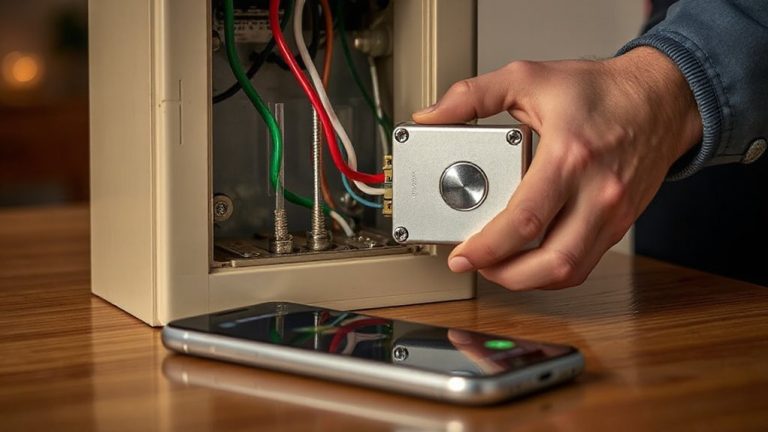
You need weather-resistant security features to protect outdoor components from rain, snow, heat, and rust. Sealed enclosures with IP65 or NEMA 4X ratings block moisture and dust, while durable materials like polycarbonate or stainless steel resist corrosion and tampering. Built-in ventilation prevents condensation, and UV coatings stop sun damage. These systems handle temps from -40°F to 140°F, often with heating or cooling tech. Choosing the right rating and material guarantees long-term reliability-your next steps depend on your environment and threat level.
Notable Insights
- Sealed enclosures with IP65+ ratings block moisture, dust, and debris to protect sensitive electronics.
- Corrosion-resistant materials like stainless steel and polycarbonate prevent rust and degradation in harsh environments.
- Thermal regulation features maintain operation in extreme temperatures from -40°F to 140°F.
- Sloped housings and drainage channels prevent water pooling and direct rain or snow away from components.
- UV-resistant coatings and passive ventilation with hydrophobic membranes ensure durability and prevent fogging or overheating.
Why Weather Resistance Is Non-Negotiable for Outdoor Security
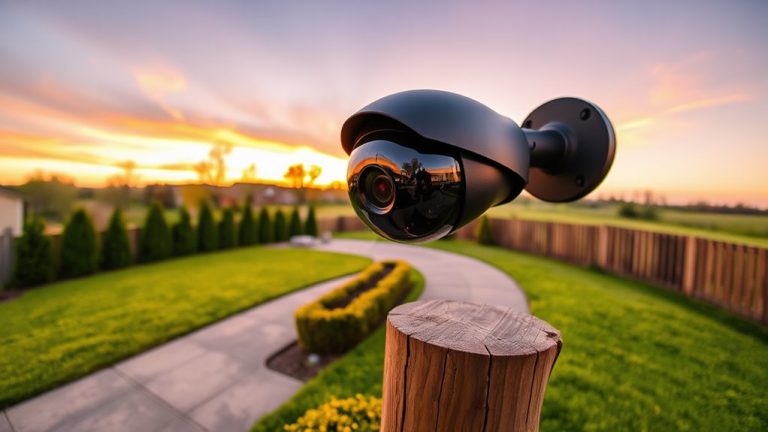
While weather resistance might seem like just one feature among many, it’s actually essential for any outdoor security system to perform reliably over time. You need your devices to withstand temperature swings, humidity, and persistent exposure. Without proper protection, components degrade quickly, leading to system failure when you need it most. Corrosion prevention is key-metal parts and electrical connections can rust, disrupting signals or causing shorts. Sealed housings and rust-resistant materials stop moisture and oxygen from doing damage. Structural integrity guarantees housings don’t crack, warp, or loosen from sun and wind stress, keeping internal parts safe. Units that maintain their shape and strength last longer and require fewer replacements. Look for enclosures rated IP65 or higher, which offer solid protection. Investing in weather-resistant models may cost more upfront, but you save on maintenance and downtime. Top-rated systems like the best outdoor wired security camera systems consistently combine durable construction with advanced weatherproofing to ensure long-term performance.
How Enclosures Block Rain, Snow, and Moisture Damage
Protection from the elements starts with a well-designed enclosure. You can rely on tight seals and sloped housings to keep rain and snow out, while drainage channels direct water away before it seeps in. These channels prevent pooling and reduce long-term moisture exposure, which might otherwise damage internal components. For best results, look for enclosures with tested IP ratings-IP65 or higher guarantees solid protection. Condensation management is also key; built-in vents with moisture traps or desiccants reduce internal fogging and corrosion, especially during temperature shifts. You’ll want these features even in moderate climates, since condensation often forms overnight. Avoid cheaper models without drainage channels or condensation management-they may cost less upfront but often lead to early failure. Invest in durable materials like polycarbonate or aluminum to guarantee lasting protection, saving you money and maintenance over time. Top-rated outdoor security cameras consistently feature these protective design elements to ensure reliable performance in harsh conditions.
Do Security Housings Work in Extreme Heat and Cold?
How well do your security cameras hold up when temperatures swing to extremes? Most quality security housings are built with solid temperature tolerance, often operating in ranges from -40°F to 140°F. This wide range guarantees climate adaptation, whether you’re in Alaska or Arizona. Housings use thermal Regulation tech-like heating elements in cold climates or ventilation in hot ones-to keep internal temps stable. Without this, cameras could fog, crack, or shut down. You’ll pay more for extreme climate models, but it’s a smart investment if your area sees harsh winters or scorching summers. Check specs for operating temps before buying. Units with IP66 or NEMA 4X ratings typically include better thermal protection. Avoid cheap housings-they may claim wide tolerance but fail under stress. Choose trusted brands that publish real-world test data. For reliable performance in freezing conditions, consider the best outdoor cameras for cold weather.
Materials That Prevent Rust and Keep Intruders Out
Your security system’s longevity starts with the housing’s material-choose wisely, and it’ll resist rust while blocking intruders. Corrosion prevention and tamper resistance are critical for outdoor units exposed to moisture and physical threats. Durable metals and composites handle weather and deter break-ins effectively.
| Material | Pros & Cons |
|---|---|
| Stainless Steel | High corrosion prevention; excellent tamper resistance; expensive |
| Powder-Coated Aluminum | Good rust protection; lightweight; less tamper-resistant |
| Polycarbonate | UV stable; corrosion-proof; moderate tamper resistance |
| Galvanized Steel | Affordable; strong; prone to rust if coating is damaged |
| Fiberglass | Resists corrosion; non-conductive; limited impact strength |
Pick materials that balance protection with practicality. Stainless steel offers the best combination for harsh environments where both corrosion prevention and tamper resistance are priorities. Though costlier upfront, it reduces long-term replacement and maintenance expenses.
Sealing, Ventilation, and UV Protection: Design That Lasts
Even if you’ve chosen a durable material for your security housing, poor design can still lead to failures over time, especially when sealing, ventilation, and UV protection aren’t properly balanced. You need sealed housings to keep water and dust out, but total airtightness risks pressure buildup from thermal expansion, which stresses joints and gaskets. That’s why smart designs include pressure-equalizing vents that block moisture-helping with condensation control. Without it, internal fogging and corrosion can damage sensitive electronics. UV-resistant coatings or materials prevent housing from cracking or fading under prolonged sun exposure, maintaining both function and appearance. Look for housings with passive ventilation paths lined with hydrophobic membranes-they allow airflow while filtering out water and particulates. These features work together to manage internal climate changes caused by daily temperature swings. Proper balance means your system stays reliable for years, avoiding downtime or costly replacements.
Match NEMA Ratings to Your Environment and Security Needs
A well-sealed housing with UV protection and smart ventilation sets the foundation for durability, but knowing how to match that protection to your specific environment takes planning a step further. You need to choose the right NEMA rating based on where you install your security gear. In coastal areas, salt air causes coastal corrosion, so go with at least a NEMA 4X enclosure-it resists rust and seals out moisture. For most suburban or rural spots, NEMA 3R works, blocking rain and dust. But in cities, you’ve got to take into account urban vandalism-NEMA 4 or 6 models offer better impact resistance and tamper protection. Higher ratings mean better durability, but also higher costs and less airflow, so balance needs carefully. Check manufacturer specs, assess your risks, and pick a rating that covers both weather and security threats. Plan ahead, and your system stays functional for years.
On a final note
You need weather-resistant security to protect outdoor components from rain, heat, and rust. Look for enclosures with NEMA ratings that match your climate, as they block moisture and dust. Durable materials like aluminum or UV-treated polycarbonate last longer and resist tampering. Proper seals and ventilation prevent overheating and condensation. These features guarantee reliable performance, reduce maintenance, and save money over time, especially in extreme conditions.