How to Select Age-appropriate Self-defense Tools That Are Both Effective and Legal for Minors
You can carry self-defense tools if they’re legal in your area and match your age and size. Start with non-lethal options like personal alarms or bright flashlights-they’re easy to use and draw attention without escalating danger. Check local laws, since pepper spray is often restricted for minors. Choose lightweight, reliable tools you can access quickly. Practice regularly so you react confidently. Talk to your parents to create a safety plan together-your next steps depend on knowing what’s allowed and what works.
Notable Insights
- Check local laws and age restrictions before choosing any self-defense tool, as legality varies by jurisdiction.
- Opt for non-lethal options like personal alarms, flashlights, or whistles that prioritize escape over confrontation.
- Select tools appropriate for the minor’s size, strength, and daily environment to ensure ease of use.
- Consider pepper spray only if legally allowed and with parental consent, along with proper training.
- Practice regular drills and involve parents in safety planning to build confidence and ensure responsible use.
Know Which Self-Defense Tools Are Legal For Minors
What can a minor legally carry for self-defense without crossing the line? Laws vary widely, so you must research jurisdiction variations-what’s allowed in one state or country might be illegal in another. Some places permit items like keychain alarms or personal safety whistles, while others restrict even pepper spray for minors. Parental consent is often required, especially for purchasing or carrying certain tools. Always verify local statutes before obtaining any device. While some tools are widely accepted, others may carry legal risks if misused or carried without approval. Check with local law enforcement or a legal advisor for clarity. Documentation of parental consent can help protect you if questioned. Planning ahead guarantees you stay within legal boundaries while prioritizing safety. Know the rules, understand the limits, and make informed choices based on evidence, not assumptions. A reliable option for non-lethal protection is a personal safety device for seniors, which often includes features like emergency alerts and GPS tracking.
Choose Non-Lethal Options That Won’t Increase Risk
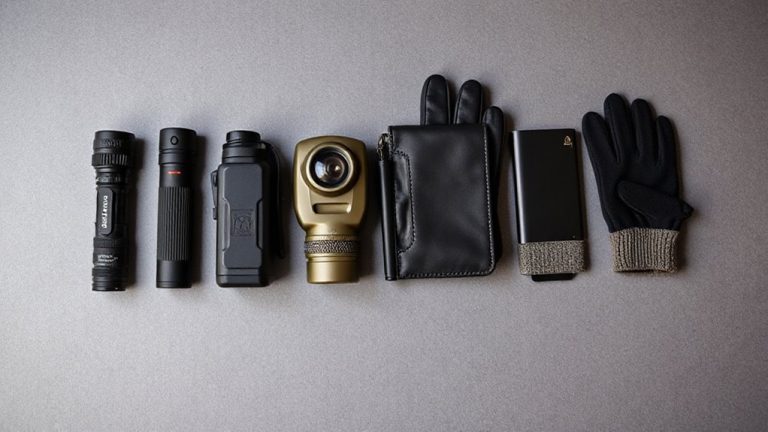
Safety starts with smart choices, especially when picking self-defense tools that won’t backfire legally or physically. Non-lethal doesn’t mean risk-free-some tools can escalate danger or lead to legal trouble if misused. Focus on options that support situational awareness and stress management, helping you stay calm and in control. The right tool gives you time to escape, not confront. Consider these common choices:
| Tool | Key Benefit |
|---|---|
| Personal alarm | Draws attention, easy to use |
| Flashlight | Illuminates threats, doesn’t escalate |
| Whistle | Simple, promotes situational awareness |
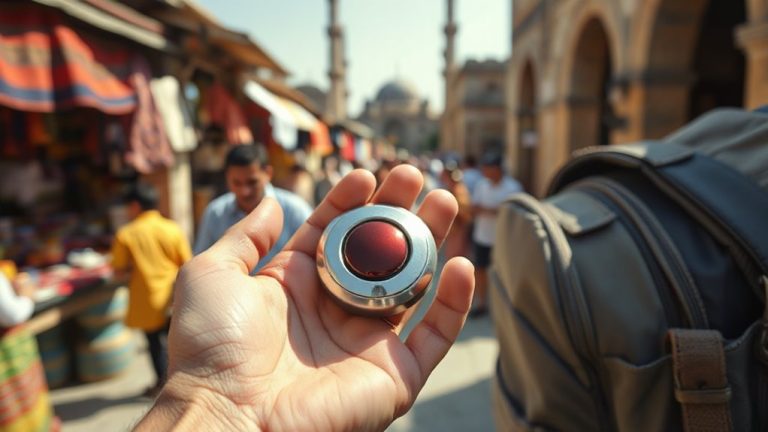
All are legal in most areas and require no special training. Alarms and whistles also aid stress management by boosting confidence. Flashlights with strobe settings can disorient attackers without lasting harm. Choose tools that help you avoid confrontation, not invite it. Always prioritize escape over engagement. A reliable option for quick alerting is a panic button, which can be discreetly activated in emergencies.
Match Tools To Age, Strength, and Daily Situations
Your ability to respond to danger depends not just on the tool you choose, but on how well it fits your size, age, and daily routine. Tool suitability matters-what works for an adult may be too heavy or complex for a younger teen. For example, a small student might struggle with bulky items, making lightweight alarms or keychain sprays more practical. Consider your strength: can you deploy the tool quickly under stress? Situational awareness helps you decide-walking to school calls for different options than attending a crowded event. Middle-schoolers may benefit from loud personal alarms, while older teens might handle pepper spray with training. Always match the tool’s size and activation method to your physical ability. Store it where it’s accessible but secure. Practice retrieving it without panic. Planning ahead guarantees your choice supports real-world safety without overreach.
Do These Self-Defense Tools Actually Work?
How effective are the self-defense tools marketed to minors, really? Many rely on sound or light to deter threats, but their real-world performance varies. Effectiveness testing shows personal alarms and bright flashlights can startle attackers and draw attention, especially in isolated areas. However, these tools depend on environment and timing. In real world scenarios, a loud alarm may scare off a would-be assailant, but it won’t stop a determined attacker. Pepper spray, where legal, has stronger evidence of effectiveness, though accuracy and wind conditions matter. Stun devices often lack proven results in youth-focused testing. Tools with reliable triggers, easy access, and consistent function perform best. Always check local laws and product certifications. Price doesn’t always reflect performance-research brands with third-party testing. Effectiveness isn’t guaranteed, but smart choices improve response odds in critical moments. A best security bracelet can offer discreet, wearable protection that combines visibility with emergency signaling features.
Practice Before You Need It: Confidence Saves Lives
While having the right self-defense tool matters, knowing how to use it under pressure makes all the difference, and practice is what builds that readiness. You need both mental rehearsal and muscle memory to respond quickly when danger strikes. Spend a few minutes daily visualizing threats and your response-this mental rehearsal strengthens focus and decision-making. Pair that with physical drills: practice drawing and deploying your tool until it feels natural. Repetition builds muscle memory, so your body reacts even if your mind freezes. Use safe, uncharged trainers if available, or simulate with household items. Ten to fifteen minutes a week greatly improves effectiveness. Confidence comes from preparation, not luck. The more you practice, the more control you’ll have. Tools only work if you can use them correctly under stress-make practice a habit, because confidence truly saves lives.
Get Parents On Board With Safety Plans
Practice builds confidence, but even the most prepared minor needs support beyond individual training-especially when it comes to choosing and using self-defense tools. You need parental trust to move forward, and that starts with open dialogue. Sit down with your parents and share what you’ve learned about safe, legal options. Explain how tools like personal alarms or whistle keys can offer protection without risk. Listen to their concerns-they may worry about safety, legality, or escalation. Address each point with facts and calm reasoning. Suggest a trial period for any tool you choose, backed by a clear plan for use and storage. Include cost estimates and rules for responsible handling to show maturity. This collaborative approach builds trust and guarantees everyone’s on the same page. Working together strengthens your safety plan and increases the chances of gaining approval.
Avoid Tools That Seem Safe But Aren’t Legal
Why do some self-defense tools seem like smart choices but lead to legal trouble? Because they exploit legal loopholes or come with hidden risks you might not see. Take pepper spray keychains-they’re small and feel harmless, but many states restrict their use by minors, even if they’re labeled “for self-defense.” Stun guns disguised as phones or lipstick may seem clever, but they’re often illegal for anyone under 18. Carrying them could mean school suspensions or criminal charges. Always check your state laws before buying anything, even if it’s sold online as “safe.” Just because it’s available doesn’t mean it’s legal for you. Hidden risks also include weapon classification-some tools are treated as concealed weapons. Avoid gadgets that blur the line. Stick to clearly legal options like personal alarms or training in situational awareness. Prevention beats punishment every time.
On a final note
You now know which tools are legal and effective for minors-like alarms or tactical flashlights-and why non-lethal options reduce legal risks. Match choices to your age, strength, and routine, always involving parents in decisions. Training builds real confidence, more than any device alone. Avoid items that seem safe but aren’t legal, like certain knives or pepper sprays in restricted areas. Practical planning beats impulse buys.