How to Evaluate Personal Safety Products: A Checklist for Making Informed Purchases
Start by evaluating your personal risks-like living alone or nighttime commutes-and choose products with proven deterrents, such as motion-sensor lights or 120-decibel alarms. Prioritize tools tested in real emergencies, not just labs, and check for independent certifications. Pick simple, one-button devices you can actually use under stress, and always verify claims like “military-grade” with third-party data. Watch for hidden costs like subscriptions, and compare features transparently-because knowing what truly works gives you the next level of protection.
Notable Insights
- Assess your personal safety risks by evaluating daily routines, environment, and local crime data to identify vulnerabilities.
- Choose safety products with proven deterrents, like loud alarms or strobe lights, backed by real-world testing or independent certifications.
- Prioritize devices tested in real emergency scenarios, not just labs, ensuring reliability in low-light or high-stress situations.
- Select intuitive, easy-to-use tools with one-button operation to ensure effective use under pressure.
- Verify safety claims by checking for specific, measurable features and third-party validation; avoid vague or unproven marketing terms.
Know Your Personal Safety Risks
Where do you feel safest-and where do you feel most vulnerable? Understanding your personal safety risks starts with honest answers to that question. You need a clear risk assessment before choosing any security product. Think about your daily routines, environment, and potential threats. A threat analysis helps identify likely dangers, whether at home, during travel, or at night. Are break-ins common in your area? Do you live alone? These factors guide your choices. Data shows that effective safety planning reduces incidents. Start by listing vulnerabilities, then match them to practical solutions. Don’t guess-use evidence. For example, motion-sensor lights cut outdoor crime risk by up to 50%. Plan your budget early; basic systems start around $100. Knowing your risks isn’t fear-based-it’s the first step toward informed, proactive safety.
Look for Proven Deterrent Power
Why do some security products actually reduce crime while others fail? It comes down to deterrent technology and proven effectiveness. When you choose a device, look for features tested in real-world conditions or certified by independent labs. Products like loud personal alarms, strobe lights, or wearable panic buttons leverage psychological and sensory disruption, making attackers think twice. Studies show visible deterrents reduce confrontation likelihood because most criminals seek low-risk opportunities. Opt for items with documented results-check for peer-reviewed research or law enforcement endorsements. Avoid gadgets that promise protection without proof. A $30哨 alarm with verified 120-decibel output is better than an untested $80 gadget. Focus on function, not flash. You want tools that stop incidents before they start, not just react. Proven effectiveness isn’t a luxury-it’s a necessity.
See What Really Works in Emergencies
You’ve seen how strong deterrents can prevent attacks before they happen, but what actually helps when danger becomes unavoidable? Look for products backed by real world testing, not just lab results. Devices like personal alarms or GPS trackers should have documented emergency response times from independent sources. Some companies share data showing how quickly help arrives after a signal is sent-this matters. Check if the product’s performance has been verified in unpredictable scenarios, like low-light conditions or crowded spaces. Real emergencies are chaotic; your tool must work when it counts. Also, consider ongoing costs: subscription fees for monitoring services affect long-term use. A product might seem affordable upfront, but weigh monthly charges against your needs. Choose based on evidence, not hype. Reliable emergency response comes from proven, tested performance-verify before you rely on it. For seniors, choosing the right device can mean faster assistance during critical moments, and top-rated systems often include fall detection and 24/7 monitoring as part of their service package, making best personal alarms a key consideration in safety planning.
Choose Tools You Can Use Under Pressure
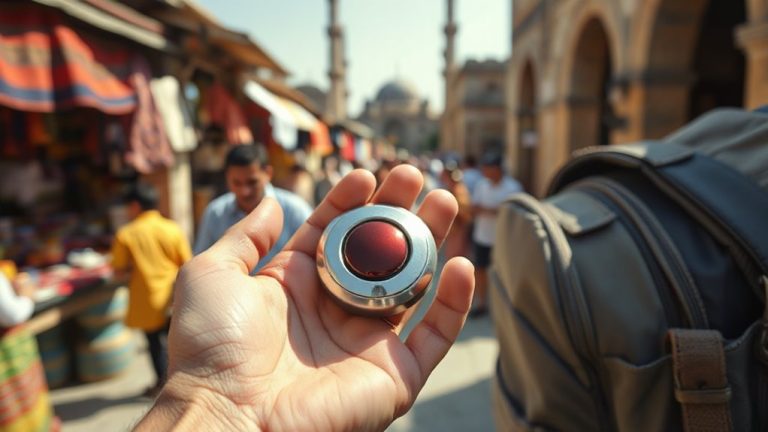
When seconds matter most, the best safety tools are the ones you can actually use under pressure-simple, intuitive devices reduce mistakes during high-stress moments. Choose products with clear activation, like loud alarms or one-button operation, so you won’t fumble when scared. Stress testing shows people often freeze or fumble complex tools, so opt for designs proven in real-world simulations. Ease of access is critical; keep safety items where you can grab them fast-on a keychain, in a pocket, or near your bed. Avoid anything requiring setup or multiple steps. Practice using your device regularly so it becomes automatic. Tools that are harder to reach or operate are less reliable, no matter how advanced. Focus on usability, not just features, and you’ll boost your real-world safety. For example, top-rated devices often feature one-button operation for maximum reliability in emergencies.
Spot Fake Safety Features Before You Buy
While shopping for personal safety products, you’ll often come across claims that sound impressive but don’t hold up under closer inspection-so it’s important to know what to watch for. Marketing claims like “military-grade” or “instant alert” often lack proof and can mislead. Always check product labels for specific details, such as decibel level for alarms or IP ratings for water resistance. If a feature sounds too good to be true-like a panic button that works anywhere without a signal-it probably is. Look for third-party testing results or certifications, which add credibility. Avoid items with vague descriptions or no technical specs. Real safety features are clearly defined, measurable, and transparently presented. Compare multiple brands, read independent reviews, and prioritize functionality over flashy promises. You want reliability, not just reassurance.
On a final note
You reduce risk by choosing safety products that match your real threats. Pick tools with proven deterrent effects, like loud alarms or strobe lights backed by studies. Make sure they’re easy to use under stress-simplicity saves seconds. Avoid gimmicks with unverified features. Test reliability, check battery life, and compare prices. A well-chosen device fits your routine, works fast, and gives real protection, not just the feeling of it.