Creating A Tailored Security Plan That Takes Into Account The Unique Needs of Single Parents Living With Children in Their Homes
You can create a tailored security plan by reinforcing doors with deadbolts and solid cores for under $100, tracking your family’s routines to spot vulnerable times, and setting tech rules based on age-like delaying smartphones until 11 or 12. Build a neighbor network for added watchfulness, practice monthly emergency drills, and adjust smart locks and cameras as kids grow. Simple, consistent habits improve safety without strain-there’s more to explore for long-term protection.
Notable Insights
- Reinforce entry points affordably using solid-core doors, deadbolts, and 3-inch screws anchored into wall studs.
- Track family movement patterns weekly to identify unattended times and adjust supervision accordingly.
- Delay smartphone and social media access until age 11 or 12, applying parental controls and screen time limits.
- Build a neighborhood support network to share watch duties and improve real-time situational awareness.
- Conduct monthly emergency drills and update security settings every six months to match evolving family needs.
Secure Entry Points on a Budget
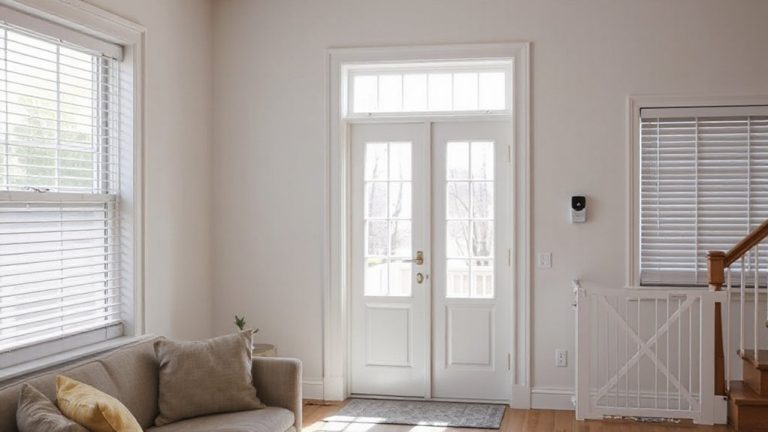
While you might think securing your home requires expensive systems, you can strengthen entry points on a budget with smart, practical upgrades. Reinforce doors using metal frames and deadbolt locks; solid-core doors cost $35–$70 but resist forced entry better than hollow ones. Bolting the strike plate with 3-inch screws improves security by anchoring it to wall studs. Install peepholes at eye level for clear views of visitors; wide-angle models (around $10–$20) let you see the full doorway without opening the door. These measures reduce break-in risks-homes without deadbolts are 3x more likely to be targeted. Peepholes increase situational awareness, especially for children answering the door. Total costs typically stay under $100. No specialized tools are needed for most installations. These upgrades offer measurable protection, require minimal effort, and fit most budgets. A reliable best front door locks option provides both durability and ease of installation for long-term security.
Map Your Family’s Daily Movements
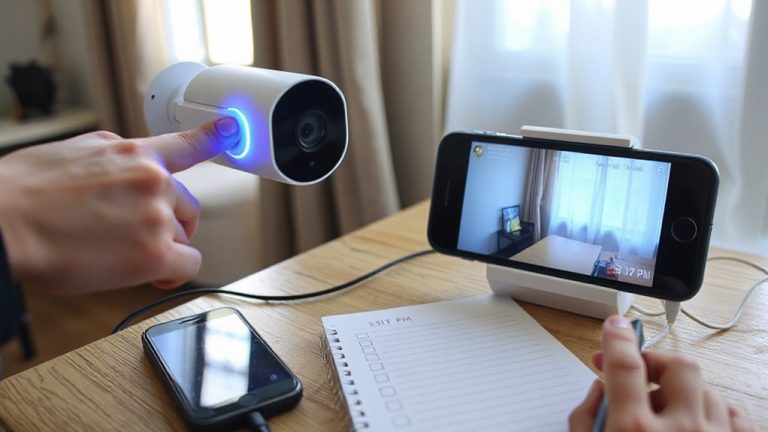
How often do you consider who’s where-and when-throughout your day? Mapping your family’s daily movements helps identify security gaps tied to your family routines and movement patterns. Start by tracking when you and your children leave for school, work, or activities-and when you return. Note times someone is home alone, even briefly. This data reveals predictable windows burglars might exploit. For example, if your kids get home before you do, their entry creates a vulnerability. Documenting these patterns lets you adjust routines or add safeguards, like timed lights or check-in calls. It’s not about constant monitoring, but understanding rhythms to better plan. Use a simple chart or app to log arrivals, departures, and supervision shifts weekly. Review monthly to update for schedule changes, ensuring protection aligns with real-life habits.
Enable Safe Tech Use by Age
When is the right time to give your child a smartphone or let them join social media? There’s no one-size-fits-all answer, but experts suggest waiting until at least age 11 or 12, when kids better understand online safety and consequences. Younger children should have limited screen time, with strict parental controls and supervised access. As kids grow, gradually increase their tech independence while monitoring activity. Use built-in tools like screen time limits, content filters, and location settings to protect them. Balance is key-too much screen time can affect sleep and focus. Set clear rules together, such as no devices during meals or after bedtime. Discuss risks like cyberbullying and oversharing, reinforcing respectful, mindful behavior online. Regular check-ins help adjust rules as your child matures. These steps support safety, responsibility, and healthy habits without overwhelming you or your child.
Team up With Neighbors Who Can Help
If you’re raising children on your own, building a reliable support network starts right outside your front door-by forming trusted connections with neighbors who can lend a hand. Strong neighbor support increases safety through consistent presence and quick response. Set up a shared watch system where neighbors look out for unfamiliar visitors, suspicious activity, or kids arriving home alone. Studies show neighborhoods with organized watch programs see up to 16% fewer break-ins. Start by introducing yourself, sharing contact info, and discussing routines. Use a group text or app to communicate securely. Participation is voluntary, but regular contact strengthens trust. While not a substitute for alarms or locks, neighbor support adds a critical layer. A shared watch works best when multiple homes participate, increasing coverage. It’s low cost, easy to start, and improves response times during minor incidents-giving you peace of mind knowing someone nearby is watching.
Have a Realistic Emergency Plan Ready
You’ve already started strengthening your home’s safety by connecting with neighbors who can keep an eye on your family and property, but even the most watchful community can’t handle every emergency alone. That’s why you need a realistic emergency plan tailored to your household’s routines and risks. Run emergency drills monthly-practicing fire exits, shelter-in-place scenarios, and lock-down procedures-so your kids respond quickly and calmly. Establish clear communication protocols: choose an out-of-town contact everyone can reach, program emergency numbers into phones, and keep a printed list by each phone. Confirm signal reliability and backup power for devices. A well-practiced plan reduces confusion during crises. Include escape routes, meeting points, and medical needs. Review and update the plan every six months, ensuring it remains practical and effective for your family’s current situation.
Adapt Security as Kids Grow
As your children get older, their routines, responsibilities, and understanding of safety evolve-so your home security strategies should too. You’ll notice shifts in child behavior, like more independence or later outings, requiring updates to locks, alarms, or monitoring rules. For instance, a 10-year-old might handle a key or code, but a teenager may need access after school. Adjust smart lock codes and camera alerts accordingly. Consistent changes reduce parenting stress by preventing daily conflicts over entry or curfews. Consider motion-sensor lighting in driveways or entryways to support safe arrivals. Review security settings every six months, especially during big shifts like starting high school or a first job. Align rules with maturity levels, not just age. Regular updates keep systems effective without overreaching, supporting both safety and trust. Small adjustments add up to long-term peace of mind. High-quality surveillance benefits from using top high-quality cameras to ensure clear monitoring as children gain independence.
Protect Your Family Without Draining Yourself
How do you balance strong home security with the real limits of time, energy, and budget? You don’t need expensive gear or constant vigilance to protect your family. Start with free or low-cost solutions like consistent lock use, motion-sensor lighting, and neighborhood watch groups. These steps reduce risk without draining your schedule. Overcomplicating security harms your mental health, so focus on manageable habits. Automated systems, like smart locks or cameras, help but prioritize based on real threats, not fear. Spending beyond your means can weaken emotional resilience over time. Choose tools that fit your daily routine-simplicity increases consistency. Schedule monthly check-ins to assess what’s working. Avoid burnout by accepting “good enough” protection. Security shouldn’t cost your well-being. When your plan supports mental health, it’s sustainable, effective, and truly protective long-term. Upgrading to durable best security screens can further enhance protection while maintaining peace of mind.
On a final note
You’ve taken smart steps to protect your family without overspending. Balancing safety and ease, you’ve mapped routines, secured entry points affordably, and adapted tech use by age. Partnering with neighbors adds extra eyes, while flexible emergency plans grow with your kids. These evidence-based strategies reduce risk, save energy, and build confidence-giving you control, not stress, in creating a safer home.