The Role of Personal Protection Devices in Enhancing Workplace Safety Measures
You rely on personal protection devices (PPDs) to stay safe when workplace hazards can’t be removed. Helmets, gloves, respirators, and safety goggles protect you from injuries caused by impacts, chemicals, or loud noises. Smart PPDs add real-time alerts and hazard detection, improving response times. Always choose gear that fits your job risks and meets OSHA or ANSI standards. Proper use and regular checks keep your equipment effective-knowing more helps you stay safer.
Notable Insights
- Personal protection devices reduce workplace injuries when engineering controls alone are insufficient.
- Properly selected PPDs mitigate job-specific hazards like falling debris, chemical splashes, and excessive noise.
- Compliance with safety standards such as OSHA and ANSI ensures PPDs provide certified, reliable protection.
- Smart PPDs enhance safety through real-time monitoring, alerts, and remote diagnostics for proactive incident response.
- Regular maintenance and timely replacement of degraded PPDs are critical to sustaining effective worker protection.
What Are Personal Protection Devices and Why They Matter
Safety gear, like helmets, gloves, and respirators, makes up personal protection devices-equipment designed to reduce worker injuries in hazardous environments. You rely on these tools when engineering controls aren’t enough. The effectiveness of personal protection devices depends heavily on user behavior. If you skip wearing them or use them incorrectly, risks go up no matter how strong the gear is. Device durability also plays a key role. A helmet that degrades quickly under UV light or gloves that wear thin after a week won’t keep you safe long-term. Look for gear tested to industry standards, as these usually balance durability and protection. Replace damaged items immediately. Training and consistent enforcement help shape responsible behavior. When choosing equipment, consider both how long it lasts and how likely you are to use it properly. Safety is a combination of reliable gear and smart habits.
Common Types of PPDs in High-Risk Jobs
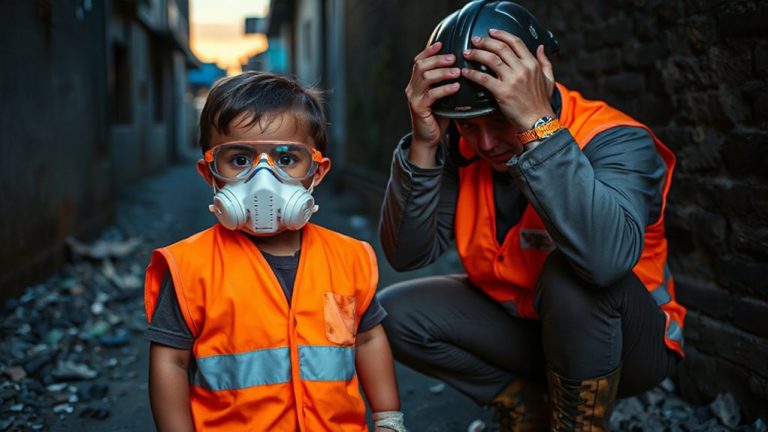
You’ll find at least six common types of personal protection devices (PPDs) used across high-risk jobs, each designed to guard against specific hazards. Hard hats protect your head from falling objects, while safety goggles shield your eyes from debris and chemicals. Ear protection like earmuffs reduces noise exposure in loud environments. Respirators and masks help you breathe safely in contaminated air, and high-visibility clothing guarantees you’re seen in low-light conditions. Steel-toed boots guard your feet from heavy impacts. A proper hazard assessment determines which PPDs you’ll need based on job-specific risks. Compliance training guarantees you know how to use, maintain, and store each device correctly. Without training, even the best gear fails. Employers must provide both the equipment and education to meet safety standards. Choosing the right PPDs isn’t optional-it’s essential for staying safe and meeting legal requirements on the job.
Smart Technology in Modern PPDs
Gone are the days when personal protection devices were limited to basic gear like helmets and gloves. Now, you’re seeing smart tech built right into your PPDs, making them more effective and responsive. Devices with real time alerts notify supervisors the moment a hazard is detected, such as a fall or gas exposure, so help can arrive quickly. You also get remote diagnostics, which let maintenance teams monitor device health and battery levels without being on-site. That means less downtime and fewer malfunctions. These features rely on sensors and wireless connectivity, so you’ll need reliable network access. While smart PPDs cost more upfront, their ability to prevent incidents and streamline checks offers long-term value. Choose models that are proven in field tests, and confirm they meet safety standards without unnecessary complexity. You’ll stay safer and more informed on the job.
How to Select PPDs That Fit Your Role and Meet Standards
How do you guarantee the PPDs you choose actually match your job’s demands and comply with safety regulations? Start by evaluating role specificity-your job’s risks determine the features you need. A construction worker needs impact-resistant wear, while lab staff need chemical-resistant gear. Also, check device compatibility with other safety equipment you use daily, like helmets or communication tools, to avoid interference. Confirm that each device meets OSHA or ANSI standards to guarantee regulatory compliance.
| Role Type | Key PPD Features | Compatibility Needs |
|---|---|---|
| Healthcare | Fluid resistance, gloves | Works with face shields |
| Manufacturing | Impact protection | Fits under safety goggles |
| Office Security | Duress alarms | Pairs with access control |
Choose wisely-your safety depends on it.
How PPDs Support Active Safety Monitoring
While staying safe on the job once relied on reactive measures, modern personal protection devices (PPDs) now play a proactive role in active safety monitoring. You can benefit from real time tracking, which allows supervisors to monitor your location and respond quickly during emergencies. Many PPDs include hazard detection sensors that alert you to dangerous gases, extreme temperatures, or unsafe noise levels before injuries occur. These alerts give you time to evacuate or take protective action. When integrated with workplace systems, PPDs transmit data continuously, supporting faster decision-making. Devices with real time tracking often use GPS or RFID, though signal loss in enclosed spaces can be a limitation. Battery life and maintenance needs vary, so check specs before deployment. Overall, PPDs enhance situational awareness, reduce incident severity, and support a culture of prevention-not just protection.
On a final note
You should choose personal protection devices (PPDs) based on your job’s risks and recognized safety standards. Modern PPDs, including smart models, offer real-time alerts and better monitoring. While they boost safety, proper fit and training matter. Consider device features, durability, and maintenance costs. Used correctly, PPDs are practical tools that support active hazard detection and help prevent injuries in high-risk environments.