Breaking Down Online Privacy Laws: What Every Homeowner Should Know About Data Protection
Your smart home devices track your habits, voice commands, and movement-often sharing data with third parties without clear consent. Federal and state laws like the FTC Act and CCPA give you some control, requiring disclosure and consent, but protections vary. Data brokers, apps, and manufacturers may access or sell your information, even from neighborhood apps. Secure your network with encryption, strong passwords, and firmware updates. You’ve got rights-and more smart steps to take.
Notable Insights
- Smart home devices collect personal data like voice and movement, often without clear user consent.
- Federal and state laws, including the FTC Act and CCPA, grant homeowners rights over their data.
- Homeowners should regularly review privacy settings to limit data sharing with third parties.
- Data brokers and app developers may access and sell smart home data, even if anonymized.
- Use encryption, strong passwords, and network segmentation to secure smart home data effectively.
What Home Data Is Being Tracked: and How
Your home data is being collected in more ways than you might realize, and much of it comes from smart devices that track your daily habits. Devices like smart speakers, thermostats, and security cameras monitor your movements, voice commands, and even when you’re home or away. This constant tracking feeds into systems that log your personal habits, often without clear consent. Home surveillance tools, while useful for security, can also expose you to data breaches if not properly secured. Many devices store information on remote servers, where third parties may access it. To protect yourself, review privacy settings regularly, limit data sharing, and choose devices with strong encryption. Opt for brands that allow local storage instead of cloud-only options. Though convenient, always weigh the pros-like automation-against the risks of prolonged data collection. When selecting security cameras, consider models highlighted in expert reviews of the best wireless security cameras for strong privacy features and reliable performance.
Federal and State Privacy Laws for Homeowners
Smart home devices collect vast amounts of personal data, often storing it on servers beyond your control, but federal and state laws offer some protection. You have data ownership rights, meaning you control how your information is collected and used. Laws like the FTC Act and state-specific rules in California and Virginia enforce consent rights, requiring companies to ask before collecting or sharing your data. These laws help you manage privacy settings and delete data if needed. Some states mandate clear disclosures about what’s tracked. While federal law sets a baseline, state laws vary-California’s CCPA gives strong protections, while others offer less. Check your state’s rules to understand your rights. Though enforcement can be limited, knowing your consent rights empowers you to demand accountability. Review device policies before setup. Planning around these laws helps protect your home data effectively and avoid surprises.
Who Can Access Your Smart Home Data: and How
Who really has access to the data generated by your smart home devices? You might assume only you and the device manufacturer can see it, but that’s not always true. Data brokers often collect and sell your information to advertisers or other companies without your knowledge. These brokers gather details like when you’re home, your routines, or even audio snippets. Third party access is common-app developers, cloud services, or partners of the manufacturer might store or analyze your data too. While some sharing improves device functionality, it increases privacy risks. Always review privacy policies and settings. Opt out of data sharing when possible, and choose devices with strong encryption. Understanding who accesses your data helps you protect your home more effectively and make smarter choices about which systems to trust.
What Your Neighborhood Apps Are Sharing Without Consent
Many neighborhood apps market themselves as tools for safety and community connection, but they often collect and share more data than users realize. You might not know that your posts, location history, and contact lists can be used beyond what you agreed to. These apps frequently retain data ownership, meaning you lose control over how your information is used. User consent is often buried in lengthy terms, so you might unknowingly allow third-party sharing. Some apps sell anonymized data to advertisers or data brokers, despite community-focused promises. While features like crime alerts and local recommendations are useful, they come with privacy trade-offs. Always review permissions and data policies before joining. Opt for apps that clarify data ownership and require explicit user consent for sharing. Free versions may cost you in privacy, so consider paid tiers that limit data collection. Stay informed-your awareness is the first step in protecting personal information.
How to Secure Your Home Data in 7 Steps
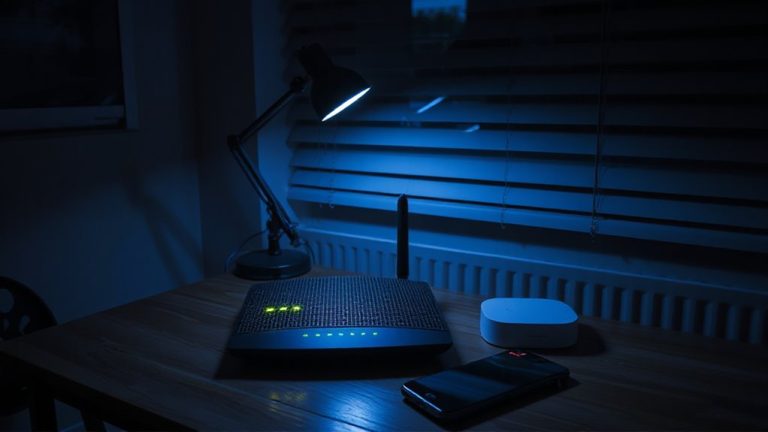
Often, the weakest link in home data security isn’t your devices-it’s how you manage them. You can strengthen protection in just seven steps. Start with data encryption on all devices, guaranteeing files stay secure even if accessed. Use network segmentation to separate smart devices from computers and phones-this limits breach damage. Regularly update software, use strong unique passwords, enable two-factor authentication, and back up data weekly.
| Step | Action | Benefit |
|---|---|---|
| 1 | Enable data encryption | Protects stored information |
| 2 | Apply network segmentation | Isolates vulnerable devices |
| 3 | Update firmware | Patches security flaws |
| 4 | Use password manager | Guarantees strong login credentials |
Small changes greatly reduce risk. Plan these steps now to keep your home data safe and under your control.
When and How to Opt Out of Data Sharing
You’ve taken steps to lock down your devices and network, but securing your data doesn’t stop there. You have the right to control your data ownership, and opting out of data sharing is a key part of that power. Many companies collect and sell your browsing habits, smart home usage, and personal details unless you say no. Check privacy settings on devices and services-you can often adjust sharing permissions with a few clicks. Look for “Do Not Sell My Personal Information” links, especially under laws like the CCPA. Some opt-out processes are automatic; others may require account verification. While opting out reduces targeted ads and potential misuse, it may limit personalized features. Consider using privacy tools like opt-out browser extensions. Review policies regularly, as companies update terms. Taking control now strengthens your long-term digital security.
On a final note
You can protect your home data by understanding privacy laws and knowing what devices track. Federal and state rules offer some safeguards, but gaps remain. Limit app permissions, use strong passwords, and enable two-factor authentication. Review privacy settings regularly, opt out of data sharing when possible, and choose devices with clear data policies. Staying informed helps you make smarter choices for long-term home security and privacy.