Integrating Door Sensors With Smart Lock Systems for Enhanced Monitoring
You can boost home security by pairing door sensors with smart locks, as they share real-time open/close and lock/unlock data wirelessly via Wi-Fi, Zigbee, or Z-Wave. This setup delivers instant alerts, accurate access logs, and remote monitoring. Choose devices from the same ecosystem to guarantee compatibility, and place sensors correctly for reliable detection. Common issues like delays or false alarms often stem from poor placement or weak signals-fixing them improves performance. Smart integration gives you clearer oversight of entry activity. You’ll find more practical setup details and troubleshooting tips ahead.
Notable Insights
- Door sensors and smart locks share status data via wireless protocols like Zigbee or Wi-Fi for synchronized monitoring.
- Real-time alerts notify users instantly when doors open or locks engage, improving home security.
- Integrated systems log access times and dates, enabling review of entry patterns and suspicious activity.
- Proper sensor alignment and compatible ecosystems ensure reliable communication between devices.
- Common issues like false alarms or unresponsive locks often stem from misalignment, weak signals, or outdated firmware.
How Door Sensors and Smart Locks Work Together
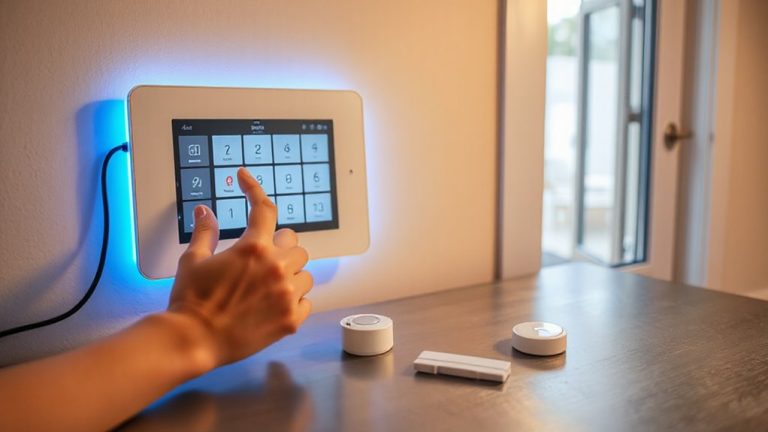
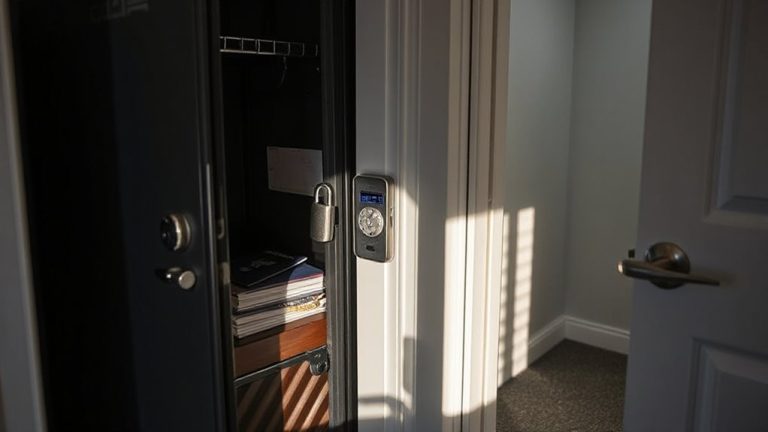
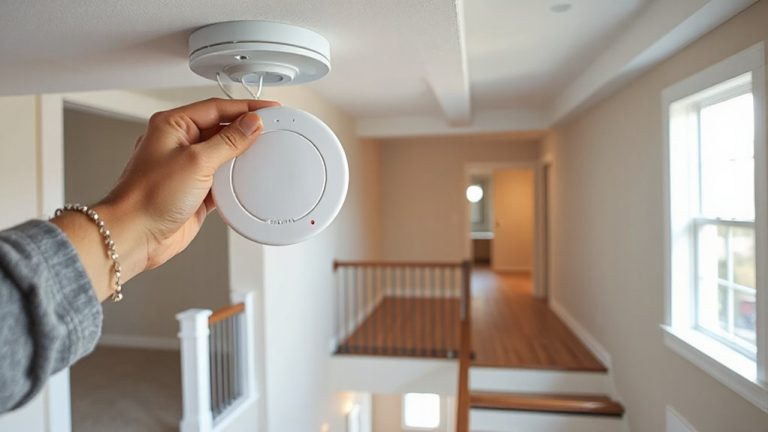
While door sensors detect whether a door is open or closed, smart locks control access by locking and opening the door remotely or automatically, and when used together, they create a more complete home security system. You rely on wireless communication to link both devices, enabling them to share data without complex wiring. This setup guarantees real time synchronization, so you’re instantly alerted if a door opens unexpectedly, and the lock status updates the moment you act. Most systems use Wi-Fi or Zigbee protocols, which offer reliable performance within typical homes. Integration usually requires a central hub or compatible smart home platform. You’ll want to verify device compatibility before purchasing, as mismatched systems can delay signals or reduce functionality. Though installation is generally simple, poor signal strength may disrupt communication. With proper planning, you gain a responsive, cohesive setup that improves monitoring and control. For garage applications, consider using garage door alarm sensors to extend smart monitoring to larger entry points.
Key Benefits of Integrating Door Sensors and Smart Locks
What if you could know the moment a door opens and confirm it’s locked without checking twice? Integrating door sensors with smart locks gives you real-time alerts and remote lock status checks, so you’re always informed. This setup improves security by detecting unauthorized access instantly, helping prevent break-ins. You also gain energy efficiency-smart systems can trigger your thermostat to adjust when a door’s left open, cutting heating or cooling costs. Plus, automated locking reduces noise reduction from accidental door swings, especially at night. Alerts minimize the need to physically check doors, saving time and effort. Most systems log entry and exit times, offering data to review household patterns. While initial costs range $100–$300, long-term savings and peace of mind are clear. Setup is simple, but make certain your devices support the same platform to avoid compatibility issues.
Choose Compatible Door Sensors and Smart Locks
How do you guarantee your smart lock and door sensor work together seamlessly? Start by checking wireless compatibility-both devices should use the same protocol, like Zigbee, Z-Wave, or Bluetooth, so they communicate reliably. Mismatched systems might not sync, leaving gaps in monitoring. Pick products designed to work within the same ecosystem, such as brands that integrate with Alexa, Google, or Apple HomeKit. Sensor placement also matters: install the sensor on the door and its contact on the frame, ensuring they align when closed. Poor placement can cause false alerts or missed triggers. Test the setup during different conditions to verify consistent performance. Always review manufacturer specs for range limits and environmental factors. Choosing compatible gear upfront saves time, money, and boosts overall system reliability. Top Z-Wave models offer seamless integration with Z-Wave door sensors for unified control and enhanced security.
Set Up Alerts and Access Logs Instantly
Once your door sensors and smart lock are properly synced, you can turn your attention to real-time monitoring by setting up alerts and access logs. You’ll receive real time notifications whenever a door opens or the lock is engaged, whether by key code, app, or physical key. These alerts help you stay aware of home activity, especially when you’re away. Most systems store access logs automatically, letting you review exact times and dates of entry. Over time, you can analyze usage patterns to spot irregularities-like unexpected entries or frequent late-night use. Logs also help verify caregiver or family access. Enable push alerts and email summaries to stay informed without constant app checking. Look for systems that offer cloud storage with encryption for secure log retention. Guarantee your Wi-Fi is stable so messages arrive instantly. This setup strengthens oversight without complicated tools.
Fix Common Integration Problems Quickly
Even when you’ve followed setup instructions carefully, pairing door sensors with smart locks sometimes leads to connection hiccups that disrupt automation and alerts. Effective troubleshooting connectivity steps help restore system function fast. Check power sources, signal range, and hub compatibility first. Resolving false alarms often means adjusting sensor alignment or sensitivity settings. Use the table below to diagnose frequent issues:
| Issue | Likely Cause | Solution |
|---|---|---|
| No signal | Weak Wi-Fi or distance | Move hub closer or use repeater |
| Delayed alerts | Network congestion | Schedule updates off-peak |
| False alarms | Misaligned sensor | Re-calibrate magnet position |
| Lock not responding | Firmware mismatch | Update both devices |
| Sensor offline | Dead battery | Replace and re-pair immediately |
Address problems early to maintain reliable monitoring and system performance.
On a final note
You can strengthen home security by pairing door sensors with smart locks. They work together to confirm door status and lock actions, giving real-time updates. You’ll get instant alerts and access logs, helping track who enters or exits. Choose compatible devices to avoid connection issues, and check system requirements before buying. While setup is usually simple, testing guarantees reliability. Overall, integration offers clear, data-backed control, making monitoring easier and more effective for everyday safety.