Creating An Effective Self-defense Strategy for Seniors Living Alone or In Assisted Care Facilities
You can stay safer by combining personal alarms with quick medical or emergency response-many systems offer panic buttons that cut response time by half. Learn joint locks and pressure point techniques; they use precision, not strength. Install smart motion sensors and cameras with night vision for around-the-clock monitoring. Maintain daily habits like checking locks and clearing walkways. Equip yourself with a defensive cane or pepper spray, knowing local rules and replacement needs. A strong plan layers tools, skills, and routines-and there’s more to think about for long-term safety.
Notable Insights
- Use personal alarms with panic buttons or voice activation for fast emergency response.
- Learn joint locks and pressure point techniques that rely on precision, not strength, for effective self-defense.
- Install smart home devices like motion sensors and cameras to enable continuous monitoring and remote alerts.
- Develop daily safety routines, including checking locks, clearing walkways, and managing medications.
- Carry senior-friendly self-defense tools like alarm canes or pepper spray with safety switches.
Use Personal Alarms to Call for Help Instantly
What if help was just a button press away? Personal alarms give you fast, reliable assistance when seconds matter. Many systems include panic buttons, wearable as pendants or clipped to clothing, letting you call for help during falls or medical issues. Some models offer voice activation, so you can trigger alerts hands-free-ideal if you can’t reach a button. Studies show response time drops by up to 50% with these tools. Most devices work indoors and out, with ranges up to 600 feet from the base. Battery life lasts 2–5 days, and monthly fees typically run $20–$35. Voice activation may misfire in noisy areas, and panic buttons require consistent wear. Choose systems with long battery life, two-way talk, and medical alert partnerships. Test your device monthly. Make sure coverage includes all living areas. These alarms are practical, proven tools that boost safety without demanding physical effort. Top-rated models often feature best panic buttons for enhanced reliability and ease of use.
Learn Self-Defense Moves That Don’t Require Strength
While personal alarms give you a quick way to summon help, knowing how to defend yourself can add another layer of security-especially in situations where escape or immediate action is necessary. You don’t need strength to protect yourself effectively. Techniques like joint locks and targeting pressure points rely on precision, not power, making them ideal for seniors. Joint locks manipulate an attacker’s wrist or arm to create pain and control, allowing you to break free. Pressure points, such as under the nose or on the forearm, can cause discomfort with minimal force. These moves can be learned through short training courses, many offered at community centers or senior facilities. Consistent practice improves response time and confidence. Unlike physical strength, these skills don’t diminish with age. Mastering them gives you a reliable, accessible way to stay safe when help isn’t immediately available.
Install Smart Home Devices for 24/7 Safety Monitoring
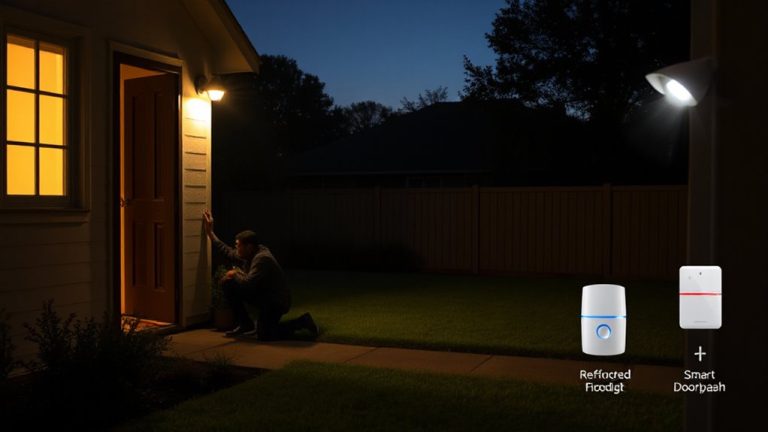
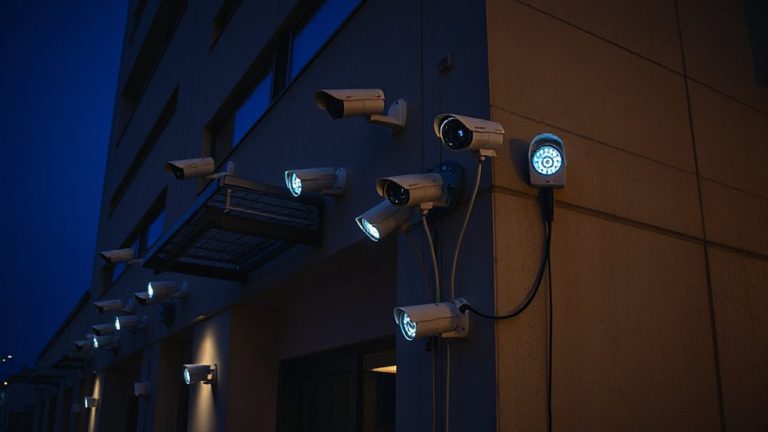
If you’re looking to enhance your safety at home without relying solely on physical ability, smart home devices offer a reliable way to stay protected around the clock. Devices with motion tracking can detect unusual activity, alerting you or a trusted contact if something’s off. Many systems include voice alerts, so you’ll hear immediate notifications about door openings, movement at night, or system alerts without needing to check a screen. Cameras with night vision and real-time streaming let you monitor your space remotely, while integration with smart speakers allows hands-free control. Most systems are affordable, starting around $150, with optional monthly monitoring plans from $20–$40. Look for models with easy setup and no long-term contract requirements. Reliable Wi-Fi is essential, and privacy settings should be customized to protect your data. These tools add consistent, automated oversight, complementing other safety efforts. Personal safety devices like medical alert systems can also integrate seamlessly with smart home setups to provide comprehensive protection.
Create a Daily Safety Routine to Avoid Risk
Since many safety risks at home stem from predictable patterns like poor lighting or unsecured entry points, establishing a daily routine can considerably reduce your chances of accidents or intrusions. Start each day by checking locks, closing curtains, and turning on lights in dim areas to support fall prevention. Clear walkways of clutter, and make certain rugs are non-slip to minimize tripping hazards. At meal times, verify your medication management by using a labeled pill organizer and taking prescriptions as directed-this reduces harmful interactions or missed doses. Set alarms or use a smart speaker to remind you of doses or safety checks. Each evening, review your routine, noting any hazards like loose railings or burned-out bulbs. These small, consistent actions, backed by studies on senior safety, lower risk markedly. Over time, they become habits that enhance independence while protecting your well-being. Consider integrating a personal emergency response system into your routine for added security, as these devices are among the top personal safety devices for seniors.
Build a Quick-Response Network With Family and Staff
You’ve taken steps to secure your home and establish a daily routine, but having a reliable support system in place makes a real difference when unexpected situations arise. Build a quick-response network using trusted emergency contacts and set up neighbor alerts for added security. Share your health info and daily check-in times with family, friends, and staff. In assisted living, coordinate with on-site personnel for routine wellness checks.
| Contact Type | Response Time Goal |
|---|---|
| Family member | Within 15 minutes |
| Neighbor alert | Within 10 minutes |
| Assisted care staff | Immediate (24/7) |
| Emergency contacts | 911 if no response in 5 min |
This structured approach guarantees someone responds fast, improving safety without over-relying on tools or technology. Always update your network if routines or contacts change.
Choose the Right Self-Defense Tools for Seniors
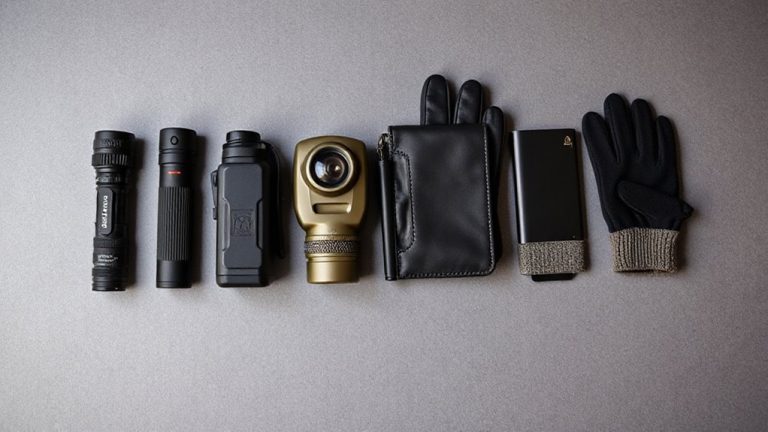
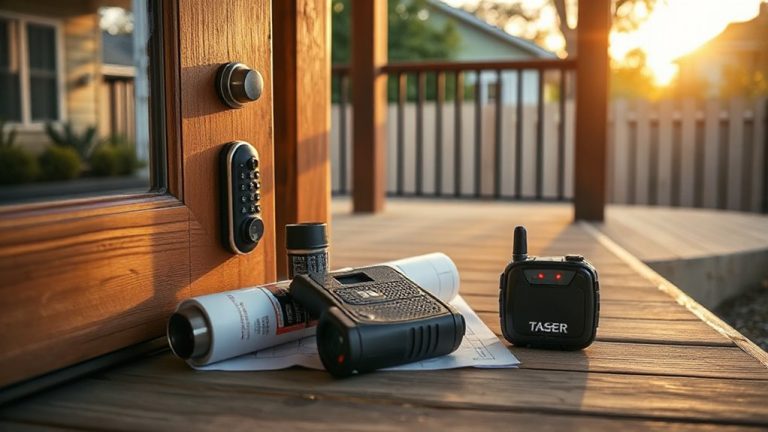
A well-chosen self-defense tool can make a meaningful difference in your personal safety, especially when tailored to your physical ability and living situation. Consider a walking cane with a built-in alarm or heavy base for stability and defense-ideal if balance is a concern. It serves dual purposes and requires no training. Pepper spray is effective at a distance, giving you time to escape; choose a model with a safety switch and practice deploying it quickly. Opt for smaller cans that fit in a pocket or purse, typically costing $10–$20. Check local laws, as some facilities restrict certain tools. Avoid gadgets that require strength or precision under stress. Prioritize ease of use, reliability, and accessibility. Test any device beforehand. For most seniors, combining a walking cane with pepper spray offers balanced protection. Replace expired pepper spray every 2–3 years to maintain effectiveness.
On a final note
You can stay safer by combining simple tools and habits. Personal alarms let you call for help fast, while smart devices monitor your home 24/7. Learn self-defense moves that use balance and timing, not strength. Set up a daily safety routine and share it with family or staff. Build a response network so help is always close. Choose lightweight, easy-to-use defense tools, like pepper spray or loud alarms. Planning improves security without high costs.