How to Replace Worn-Out Window Locks With High-Security Cylinder Models
Replace old window locks with high-security cylinder models to cut break-in risks, as weak locks contribute to over 20% of forced entries. Choose ANSI Grade 1 or 2 locks with hardened steel and anti-drill pins, costing $25–$45 each. Use screwdrivers, a power drill, and safety gear for installation, which can cost $75–$150 if done professionally. Proper alignment and frame reinforcement are key. If you keep going, you’ll find how simple upgrades like sensors and routine maintenance boost protection.
Notable Insights
- Replace worn window locks with high-security cylinder models to prevent break-ins through vulnerable windows.
- Choose ANSI Grade 1 or 2 cylinder locks with hardened steel inserts and durable, corrosion-resistant finishes.
- Use a screwdriver, drill, measuring tape, and safety gear to safely remove old locks and install new ones.
- Follow the manufacturer’s template to accurately mark and drill mounting points for proper alignment.
- Test operation, reinforce damaged frames, and maintain locks with semiannual lubrication and monthly inspections.
Why You Need Better Window Locks
Security starts where the glass meets the frame, and upgrading your window locks isn’t just about peace of mind-it’s a data-backed step in reducing break-in risks. You likely overlook window vulnerabilities, but studies show over 20% of break-ins occur through weak or damaged windows. Older locks are easy targets, offering minimal resistance to forced entry. Modern high-security models address these flaws by using reinforced mechanisms that resist tampering and leverage. Reducing break-in risks means closing obvious gaps, especially on ground-level or accessible windows. These upgrades aren’t costly-most high-security cylinder locks range from $20–$50 per unit, with professional installation averaging $75–$150. You’ll gain stronger deterrence, better durability, and improved insurance ratings. While DIY installation saves money, precise alignment is essential. Choose models with anti-bump and anti-pick features. Planning matters-assess all vulnerable windows first. For maximum protection, consider best window locks that combine strength, reliability, and advanced security features.
Choose the Right Window Cylinder Lock
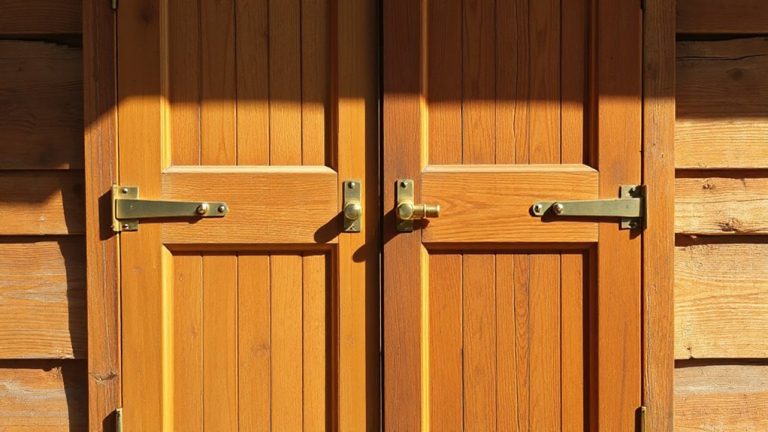
Most homes need at least three to five high-security cylinder locks, depending on the number of accessible windows, so choosing the right model matters. You’ll want to prioritize key durability-opt for locks with hardened steel inserts or anti-drill pins, which resist tampering and last longer under frequent use. Cheap keys wear down fast, but high-quality ones withstand repeated insertion and extraction without bending or breaking. Also, consider the lock finish: satin nickel or bronze finishes resist corrosion and fading better than chrome, especially on windows exposed to sunlight or moisture. A strong finish maintains both appearance and function over time. Make sure the lock meets ANSI Grade 1 or 2 standards for security. While higher-grade models cost more upfront-typically $25–$45 each-they offer measurable improvements in break-in resistance. Choose cylinders with a proven track record from brands tested by independent labs.
Tools for Replacing Window Locks
A solid set of tools makes replacing window locks faster and more reliable, so gather everything you need before starting. You’ll primarily use screwdriver types like Phillips and flathead to remove old hardware and secure the new cylinder. A precision screwdriver set helps with small fasteners common in window mechanisms. If your new lock requires adjustments, having a power drill with small drill bits-such as 1/8-inch or 3/32-inch-allows you to modify the strike plate or frame cleanly. Use high-speed steel drill bits for durability and clean holes. Keep a measuring tape handy to guarantee alignment, and use pliers to remove stubborn screws. Safety glasses protect your eyes during drilling, and a magnetic tray prevents losing small parts. Organizing tools ahead of time reduces errors and streamlines installation, so check each item before you begin.
Replace Your Window Locks in Steps
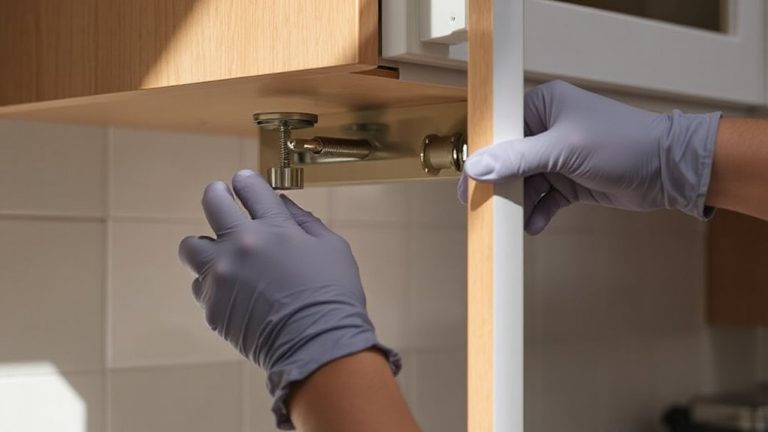
Now that you’ve gathered your tools-screwdrivers, drill bits, measuring tape, and safety gear-you’re ready to start replacing your window locks step by step. Begin by removing the old lock carefully, noting its mounting pattern. Check for proper window alignment before installing the new high-security cylinder; misaligned windows can prevent the lock from engaging fully. Use the manufacturer’s template to mark drill points accurately. If the frame shows signs of wear, consider frame reinforcement with metal plates or epoxy fillers to guarantee stability. Tighten screws securely, but don’t over-tighten and strip the material. Test the window’s operation-smooth opening and closing indicate correct installation. Proper alignment guarantees security and longevity. Frame reinforcement improves resistance to forced entry, especially in older units. Follow model-specific instructions closely, as sizing and depth vary. Keep spare keys in a secure location. For optimal protection, choose among the top sliding window locks based on durability and ease of installation.
Add Extra Protection With Upgrades
While enhancing your window locks is a solid first step, you can substantially boost security by pairing high-security models with additional protective upgrades. Consider installing reinforced frames, which resist forced entry better than standard frames and work well with high-security cylinders. These frames, typically made of steel or reinforced aluminum, add structural strength and reduce the chance of prying. You should also integrate security sensors on each window, as they alert you to unauthorized openings and connect to home alarm systems. Sensors are affordable, easy to install, and increase deterrence. Though adding these features raises upfront costs by $50–$150 per window, the long-term protection is worth it. Make sure your upgrades are compatible with existing hardware. Planning early helps avoid unnecessary expenses and guarantees a cohesive security system that’s both effective and reliable. For doors, consider using a Top Security Door Stoppers to prevent forced entry when opened.
Test & Maintain Your New Locks for Long-Term Security
One key step after installation is testing each lock within the first week to guarantee smooth operation and proper alignment. Early lock testing helps catch misalignments or resistance before they become security risks. Perform this check monthly for ongoing security maintenance.
| Task | Frequency |
|---|---|
| Test lock operation | Monthly |
| Lubricate cylinder | Every 6 months |
| Inspect for wear | Annually |
| Tighten mounting screws | As needed |
Use a silicone-based lubricant-never oil, as it attracts dust and grime. Check that the window frame hasn’t shifted, which can misalign the lock. If you notice sticking or difficulty turning the key, address it immediately. Consistent security maintenance preserves function and extends the life of high-security models. Over time, weather and usage strain mechanisms. Proactive care guarantees reliability and deters forced entry. These small efforts greatly strengthen your home’s long-term protection.
On a final note
You’ve upgraded to high-security cylinder locks, which offer stronger resistance to forced entry than worn models. Proper installation guarantees smooth operation and long-term reliability. Test each lock to confirm alignment and function, then schedule annual maintenance. These locks typically cost $20–$50 each but boost overall home security. Consider them a cost-effective, evidence-backed step toward protecting your property.