Installing Magnetic Alarm Window Pins That Trigger if Opened Illegally
You can install magnetic window alarm pins in under 20 minutes per window, using a battery-powered sensor and magnet that form a circuit when closed. When opened illegally, the magnetic field breaks, triggering the alarm. Keep the gap under 1/8 inch for reliability. These low-profile systems cost $5–$15, work with most frames, and pair well with locks. False alarms often stem from misalignment or debris. Choose models with low-battery alerts and consider wireless integration to expand your security network later.
Notable Insights
- Align the magnet and sensor within 1/4 inch to ensure the circuit breaks when the window opens.
- Secure both components with screws or strong adhesive to prevent shifting over time.
- Use a level during installation to maintain precise alignment for reliable triggering.
- Test the alarm monthly by slowly opening the window to confirm immediate activation.
- Pair the magnetic pin alarm with window locks and motion sensors for enhanced security.
How Magnetic Window Alarm Pins Work
While you might not think about how a simple window sensor helps protect your home, magnetic alarm window pins work based on a straightforward but reliable principle involving a sensor and a magnet. When the window is closed, the magnet aligns with the sensor, creating a continuous circuit. This alignment precision guarantees the system recognizes the window as secure. If someone opens the window, the magnetic field breaks due to shifting magnetic polarity, triggering the alarm. Proper installation is key-misalignment by even a few millimeters can prevent contact. These sensors are inexpensive, typically costing $5–$15 per unit, and draw little power, making them efficient for battery-operated systems. They’re reliable over time but require occasional testing. Avoid metal obstructions near the sensor, as they can interfere with magnetic polarity and reduce effectiveness. Consistent maintenance guarantees long-term performance. For comprehensive home protection, consider pairing these with the best motion detectors for every home.
Choose the Best Window Alarm for Your Home
What makes one window alarm better than another for your home? It comes down to compatibility, visibility, and cost. You need a system that suits your home aesthetics while staying within budget considerations. Some alarms are discrete, blending into frames, while others are visible deterrents. Below is a comparison to guide your decision.
| Feature | Magnetic Pin Alarm | Wireless Sensor | Contact Alarm |
|---|---|---|---|
| Visibility | Low (hidden) | Medium (small) | High (obvious) |
| Installation | Simple DIY | Moderate setup | Easy snap-on |
| Average Cost | $8–$15 per window | $20–$30 per unit | $5–$10 each |
| Best For | Renters, remodelers | Permanent owners | Budget setups |
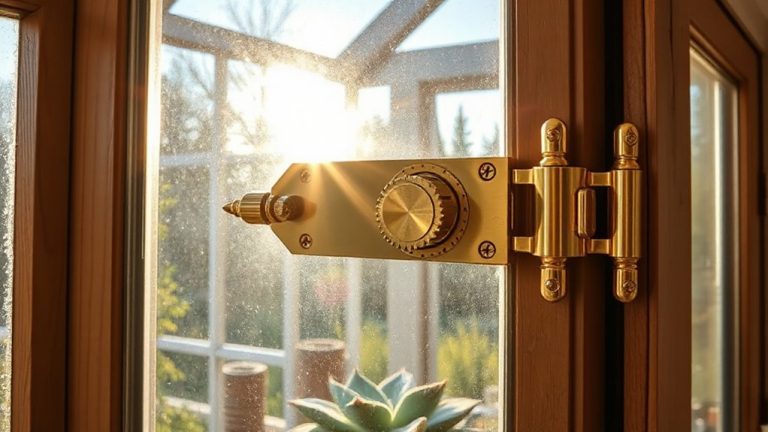
Choose based on long-term plans and security needs. Magnetic pin alarms offer reliable, low-profile protection without disrupting your home’s look. Upgrading your overall window security can also involve installing best window locks for enhanced protection.
Gather Tools and Materials for Installation
You’ll need just a few basic tools and materials to install magnetic alarm window pins effectively. For proper tool selection, gather a drill, drill bits, screwdriver, measuring tape, pencil, and level-these guarantee precise placement and reliable function. When it comes to material sourcing, confirm that your alarm kit includes both the magnet and sensor components, along with mounting screws and adhesive if required. Some systems offer battery-powered or hardwired models; choose based on your home’s electrical setup and desired maintenance level. Check packaging for compatibility with your window type-wood, vinyl, or aluminum frames affect installation needs. Consider cost: basic kits range from $15–$40, with higher-end models offering wireless integration. Always inspect all parts before starting to avoid delays. Proper preparation improves accuracy and system reliability, reducing false alarms and gaps in coverage. For added security insights, reviewing the best garage door alarm sensors can help inform your overall home alarm strategy.
Install Magnetic Window Alarm Pins Quickly
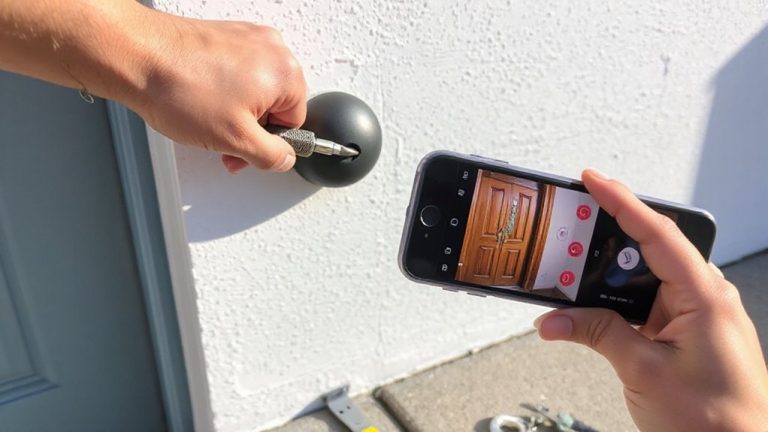
Once you’ve gathered your tools and confirmed component compatibility, installation can be completed in under 20 minutes per window. The quick installation process relies on aligning the magnetic triggers properly between the window frame and sash. Use a level to ensure accuracy, then secure each piece with the included adhesive or screws. Strong adhesion and precise alignment guarantee reliable contact when the window is closed.
| Window Type | Avg. Install Time | Trigger Sensitivity |
|---|---|---|
| Single-hung | 15 min | High |
| Double-hung | 18 min | High |
| Sliding | 20 min | Medium |
| Casement | 16 min | Medium-High |
Proper placement maximizes effectiveness of magnetic triggers. Follow manufacturer spacing guidelines-usually no more than 1/4 inch gap. For best results, test alignment before final attachment. Quick installation doesn’t sacrifice security when done correctly.
Test and Fix Common Alarm Issues
Why do some magnetic window alarms trigger falsely or fail to sound when needed? False alarms often stem from misaligned sensors or debris blocking the magnetic connection. Check that the pin and sensor are within 1/8 inch when closed. If they aren’t aligned, real threats may not trigger the alarm. Test each window monthly-open it slowly to confirm the alarm activates. Power failure can disable battery-powered units, so replace batteries every six months, even if they seem functional. Using alarms with low-battery indicators helps avoid unexpected outages. Some models offer backup power options, which improve reliability during outages. Avoid placing sensors near metal objects that interfere with magnetism. Re-test after adjustments. Consistent maintenance reduces false alarms and guarantees proper response. A well-tested system increases home security without unnecessary noise or gaps in protection.
Pair Alarms With Lights and Sensors for Extra Security
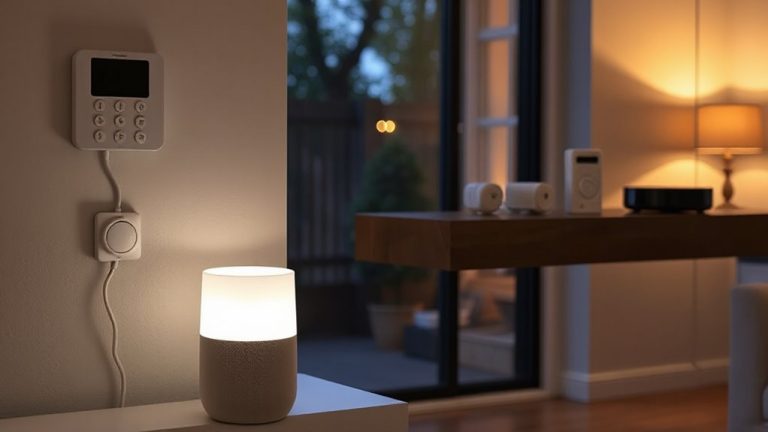
While magnetic window alarms provide a solid baseline for intrusion detection, pairing them with additional security components like motion sensors and smart lights enhances overall effectiveness. You can link your alarms to smart lighting systems so lights turn on automatically when motion detection triggers, deterring intruders and alerting you. Use sensors in hallways or entry points to cover blind spots windows might miss. Many systems sync through a central hub, allowing you to monitor events remotely. Smart lighting also creates the illusion of occupancy when you’re away, adding preventive value. Most integrated setups cost between $150 and $300, depending on scale. While installation is usually DIY, compatibility matters-check that your alarm system supports third-party sensors and smart lighting before buying. This layered approach improves response time and coverage, making your home harder to breach. Combine motion detection with visible deterrents for best results.
On a final note
You now understand how magnetic window alarm pins work and where to install them for maximum security. Choose models with reliable sensors and easy wiring, balancing cost and features. Proper placement guarantees quick detection of forced entry. Test alarms monthly and pair with lights or motion sensors to boost effectiveness. With careful planning and routine checks, these alarms offer a practical, low-cost way to protect your home without complicated systems or high fees.