Building Trusted Communication Channels Among Residents for Real-Time Threat Alerts
You build trust by creating a verified network where neighbors confirm identities and stay connected through a secure, easy-to-use alert system. Choose platforms with push notifications, GPS tagging, and two-way messaging to speed up response times. Use clear, plain-language alerts and limit messages to those affected to avoid fatigue. Regular check-ins and community events strengthen reliability. One neighborhood caught a break-in early using these steps.
Notable Insights
- Establish verified resident networks using ID confirmation to ensure trust and prevent unauthorized access.
- Use multi-channel alert systems compatible with phones, texts, and landlines for inclusive, real-time communication.
- Implement two-way messaging so neighbors can confirm safety and report threats instantly.
- Send clear, concise alerts with threat, location, and action using pre-written templates to reduce response time.
- Maintain engagement with monthly updates and social events to sustain trust without causing alert fatigue.
Why Trusted Neighbor Networks Stop Emergencies Faster
While emergencies can strike without warning, having a trusted network of neighbors often means the difference between a contained incident and a full-blown crisis-because people who know and look out for one another respond faster. You benefit from community trust when neighbors recognize unusual activity and act quickly, reducing hesitation and miscommunication. This shared reliability supports a rapid response, whether it’s reporting a fire, a break-in, or a medical emergency. Studies show neighborhoods with strong informal networks report incidents up to 40% faster than those without. When you know the people nearby, you’re more likely to alert them, verify threats, and coordinate help efficiently. These networks don’t require expensive tools-just consistent communication and mutual awareness. Building these connections now improves safety later. Community trust and rapid response aren’t automatic, but they are achievable through regular interaction and shared responsibility. You don’t need tech to start-you just need to connect.
How to Pick the Right Alert System for Your Community
You already know that trust among neighbors speeds up emergency response, but once that foundation is in place, choosing the right alert system helps turn fast reactions into organized action. Look for system compatibility with devices people already use-smartphones, tablets, and landlines-so no one gets left out. Opt for platforms that verify alerts before sending to reduce false alarms, which erode trust over time. Push notifications with GPS confirmation help guarantee accuracy. Consider costs: some systems charge monthly fees, while others are free with limited features. Check if the system allows two-way communication, so residents can confirm safety or report issues. Scalability matters too-your system should grow with the community. Test reliability through trial periods, and pick one with strong encryption to protect privacy. Choose wisely, and your network stays responsive and secure.
Build a Verified Resident Network in 5 Steps
A strong alert system only works when the people receiving messages are verified and engaged, so building a trusted resident network is essential. You can strengthen community trust and guarantee effective network verification by following these five steps:
| Step | Action | Purpose |
|---|---|---|
| 1 | Invite residents through door-to-door outreach | Build initial contact and interest |
| 2 | Require ID or address proof for sign-up | Confirm residency and prevent fake accounts |
| 3 | Use a central platform with admin oversight | Maintain control and data accuracy |
| 4 | Send monthly non-emergency updates | Keep members engaged and alert-ready |
| 5 | Audit membership quarterly | Support ongoing network verification |
This process fosters reliable communication, strengthens community trust, and guarantees only legitimate residents receive time-sensitive alerts. You’ll reduce misinformation and boost response rates when it matters most. Make verification routine, not reactive.
Send Clear Emergency Alerts That Get Action
Clarity saves lives when seconds count. You need signal clarity so every message cuts through the noise-use plain language, avoid jargon, and state the threat, location, and action needed upfront. Test alerts regularly to guarantee sound and text are sharp and understood on all devices. Prioritize systems with proven response speed: delays over 30 seconds reduce effectiveness by up to 40%. Send alerts through multiple channels-app push, text, voice call-but keep the core message identical to prevent confusion. Confirm delivery with read receipts where possible. Make sure alert templates are pre-written for common threats like fires, storms, or break-ins. Don’t overload details. One clear statement beats three vague ones. You’re not just sharing info-you’re driving action. Every second saved boosts safety. Choose tech that’s reliable, fast, and simple. Your neighbors depend on it.
Keep Neighbors Engaged: Without Alert Fatigue
Over-communicating during emergencies can backfire if alerts become too frequent or poorly targeted, leading neighbors to ignore critical messages. You need to balance urgency with relevance. To fight alert fatigue, use targeted messaging-only notify those affected. Boost engagement by linking your system to community events and casual social gatherings. These moments build trust and improve response during real threats. Consider using a mix of communication methods thoughtfully.
| Method | Best For | Frequency |
|---|---|---|
| Text Alerts | Urgent threats | As needed |
| Email Updates | Event reminders | Weekly |
| Social Gatherings | Trust building | Monthly |
You’ll keep neighbors informed without overwhelm. Regular community events make alerts more effective because people recognize each other’s names and voices. Turn security into a shared responsibility, not a constant alarm. That’s how resilient networks last.
How One Neighborhood Caught a Break-In Early
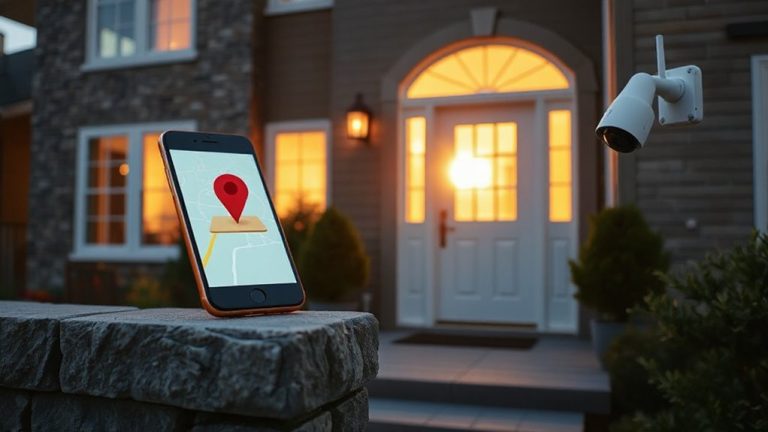
What would you do if a late-night alert actually stopped a break-in in progress? You’d probably feel relief-and that’s exactly what happened on Maple Street last month. A resident’s doorbell camera triggered a real-time alert through the neighborhood app at 2:17 a.m. The message included a photo of a suspicious person trying a back door. Thanks to active community watch protocols, three neighbors received the alert instantly. One alerted police while two others, trained in neighborhood patrols, safely checked nearby streets without approaching the scene. Police arrived in four minutes and made an arrest. No one was harmed, and property damage was minimal. This success relied on fast communication, defined roles, and consistent participation. Regular check-ins and app usage training keep the system effective. It’s not foolproof, but with planning and trust, systems like this reduce response time by up to 60 percent compared to 911-only reports. Installing a reliable best outdoor security camera can significantly improve the quality and speed of threat detection in such neighborhood safety networks.
On a final note
You can strengthen your neighborhood’s safety by creating a trusted alert system residents will actually use. Choose tools with verified membership, clear messaging, and low false alarms. Real-time alerts work best when combined with consistent participation and simple protocols. Evidence shows organized networks detect threats faster and improve response times. Plan for privacy, cost, and engagement to keep the system reliable and sustainable long term.