Designing an Evacuation Plan Based on Your Home Alarm System Configuration
Your alarm system’s sensors-smoke, heat, CO, and motion-trigger alerts at specific thresholds, so map them to your floor plan to plan smart escape routes. Use door and window sensors to identify entry points, and pair smart lights with alarms to guide exits in low visibility. Set custom alerts: fires shut off HVAC and notify emergency services, while break-ins lock doors and activate cameras. Practice drills twice a year, test batteries monthly, and consider 24/7 monitoring with cellular backup for reliability. Adding geofencing and color-coded lights boosts safety-explore these options to strengthen your plan.
Notable Insights
- Map each room’s sensors to identify primary and backup escape routes based on alarm triggers.
- Use smart lights to illuminate safe paths and highlight danger zones during emergencies.
- Configure custom alerts to automate responses like shutting off HVAC during fire alarms.
- Integrate geofencing to adjust alarm sensitivity and notifications based on occupancy.
- Conduct biannual evacuation drills using real alarm conditions to test system and plan effectiveness.
Identify Which Sensors Trigger Emergency Alerts
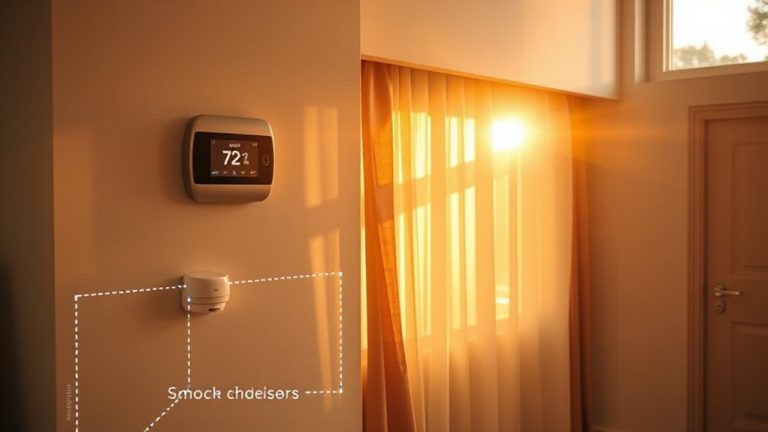
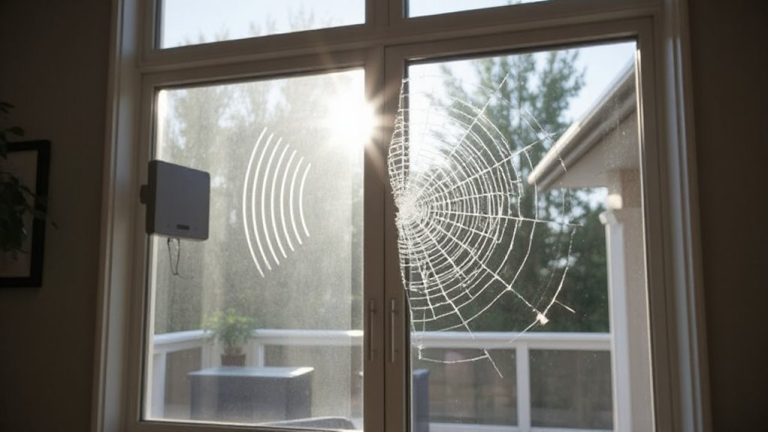
A well-designed evacuation plan starts with knowing which sensors can alert you to danger, so you can respond quickly and safely. You need to identify which sensor types are installed-like smoke, heat, carbon monoxide, or motion detectors-since each responds to different threats. Smoke sensors typically trigger at low alert thresholds to catch fires early, while heat sensors activate only when temperatures rise sharply, reducing false alarms. Carbon monoxide sensors use precise parts-per-million thresholds to detect dangerous air levels. Knowing how your system defines an emergency helps you react appropriately. Some systems let you customize alert thresholds, but overly sensitive settings may cause false alerts. Check your alarm system’s documentation to confirm the sensor types and their programmed thresholds. This data-driven step guarantees you understand when and why an alarm sounds, letting you plan faster, informed evacuations based on real risks.
Map Sensors to Guide Escape Paths
Now that you know which sensors trigger emergency alerts, you can use that information to build a smarter evacuation strategy. Sensor mapping helps you visualize how alarms correspond to specific areas, guiding safer, faster exits. By analyzing sensor locations, you achieve path optimization-choosing routes away from danger zones. Consider this as part of your home’s safety blueprint. A reliable best household alarms system ensures timely detection and coordinated response during emergencies.
| Room | Sensor Type | Best Escape Route |
|---|---|---|
| Master Bedroom | Motion + Door | Hallway to front door |
| Kitchen | Smoke + Door | Back door exit |
| Living Room | Window + Motion | Side door or patio |
| Basement | Flood + CO | Stairs to garage |
Use floor plans to mark sensor data and identify backup paths. Test routes monthly. Sensor mapping isn’t just installation-it’s strategic planning. Path optimization reduces confusion when every second counts.
Set Fire and Break-In Alerts With Custom Responses
Since emergency types differ in urgency and response needs, you’ll want your alarm system to trigger tailored alerts for fires and break-ins-automating actions that save time and improve safety. With custom triggers, your system can detect smoke or intrusions and respond accordingly: fire alerts may shut off HVAC systems and notify emergency services immediately, while break-in alerts can activate cameras and lock doors. Alert personalization lets you assign specific notifications to different household members via mobile apps, ensuring clear, relevant information. Some systems offer geofencing, so alerts adjust when you’re home or away. Higher-tier monitoring services provide faster response but cost more. Test your setup monthly. Custom triggers and alert personalization improve coordination during crises, giving you reliable, data-backed responses when seconds count.
Use Smart Lights to Show the Way Out
When evacuating during a fire or break-in, finding your way out quickly can make all the difference, and smart lights can guide you safely by automatically illuminating escape routes. You can program them to turn on instantly when your alarm triggers, using a specific light color-like red or green-to signal safe paths or danger zones. This visual guidance works even in heavy smoke or low visibility. Pairing smart lights with voice cues reinforces direction, such as “Exit left” or “Go to front door,” helping everyone, especially kids or elderly family members, respond correctly. Most systems integrate with common alarm setups and cost $50–$150 for a starter kit. While reliable, they depend on power and Wi-Fi, so consider battery backups. Choose models with fast response times under 2 seconds for best results.
Practice Your Escape Plan Regularly
You should practice your escape plan at least twice a year to guarantee everyone in your home can respond quickly and safely during an emergency. Regular emergency drills help children and adults react calmly under pressure, reducing confusion when alarms sound. These drills should simulate real conditions-low light, closed doors, and activated alarms-so everyone learns the safest routes and procedures. Combine your drills with routine checkups of your alarm system and escape pathways to make certain doors open smoothly and alerts are loud enough. Practicing different scenarios, like fires or intrusions, prepares your household for various threats. Make sure all family members, including guests, know the meeting spot outside. Update your plan as your household changes, and document each drill’s outcome to track improvements. Consistent practice turns your evacuation plan into instinct, increasing survival odds during real emergencies.
Ensure Battery Backup and 24/7 Monitoring Work
A solid escape plan means little if your alarm system fails when you need it most, so keeping it powered and connected is your next priority. Your system should have a battery backup that kicks in during power outages-common in emergencies like fires or storms. You must perform backup testing monthly to confirm the battery charges and functions properly. A weak or dead battery can leave you unprotected. Equally important is 24/7 monitoring, which guarantees someone receives alerts even if you can’t. Choose a service with high monitoring reliability, verified by third-party ratings. Look for providers offering cellular backup, not just landlines, to avoid signal loss. While professional monitoring has a monthly cost, typically $20–$50, the constant oversight increases safety. Avoid skipping these features, as both backup testing and monitoring reliability directly impact your home’s ability to respond under pressure. Top-rated systems in the UK often include features like professional installation options to ensure optimal setup and performance.
On a final note
You now know how your alarm sensors trigger alerts and guide escape routes. Smart lights can direct you safely, while custom responses fit fire or break-in scenarios. Regular drills guarantee everyone reacts quickly. Battery backups and 24/7 monitoring keep the system reliable, even during outages. Consider installation costs and sensor placement carefully. A well-planned system improves safety, but only if tested and maintained.