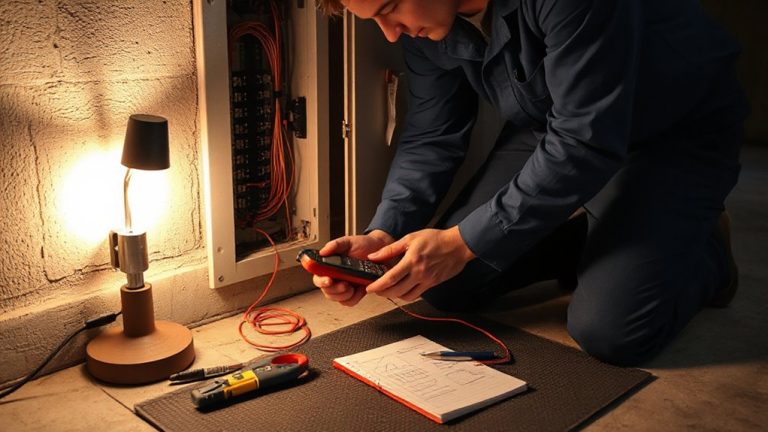
Positioning Fake Surveillance Camera Labels Near Entry Points for Deterrence
You can deter intruders by placing fake surveillance camera labels near entry points like doors and windows, since burglars often can’t tell them apart from real systems. Position signs at eye level and pair them with motion-sensor lighting for better results. These labels, costing $5–$15, work best when realistic-use weather-resistant vinyl with accurate details. While generally legal, avoid mimicking monitored or police systems. Combine with deadbolts and lighting to boost credibility. There’s more to optimize your setup effectively.
Notable Insights
- Install fake camera labels at eye level near entry points to maximize visibility and perceived surveillance.
- Place signs on front and back doors, garage entrances, and ground-floor windows to deter potential intruders.
- Ensure labels face the street and access paths for clear viewing by approaching individuals.
- Use weather-resistant, realistically sized labels with accurate details to enhance credibility.
- Combine labels with motion-sensor lighting to increase deterrent effect and nighttime visibility.
Do Fake Security Signs Actually Scare Off Intruders?
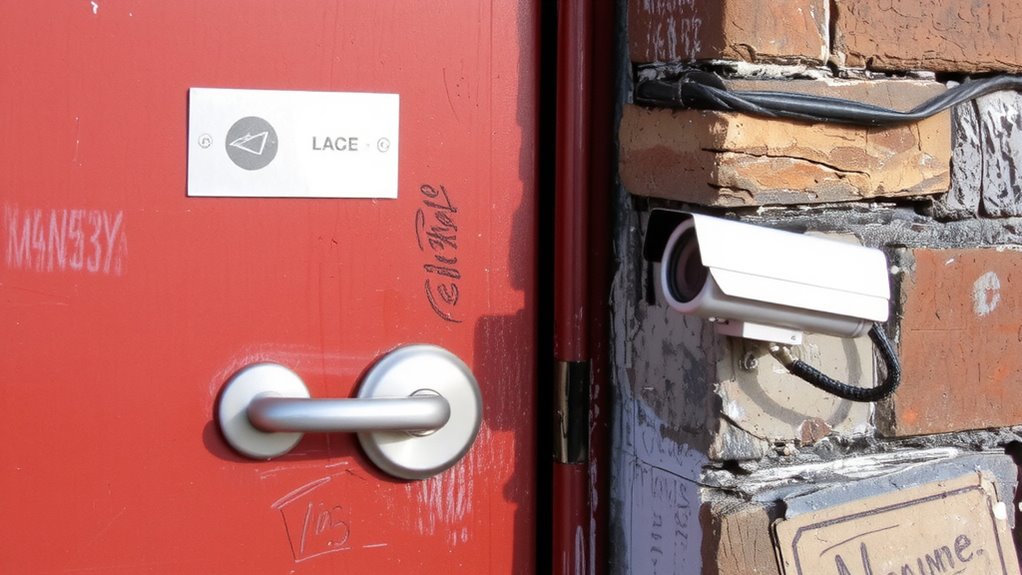
Could a simple sign really stop a burglar in their tracks? Research suggests it might. The psychological impact of fake security signs often hinges on perception vs reality-burglars typically can’t tell if a camera is real, so the mere appearance of surveillance deters many. Studies show homes without visible security measures are targeted more frequently. A clear, well-placed sign creates uncertainty, making intruders more likely to seek easier targets. While not foolproof, these signs are a low-cost part of a broader strategy. Pros include affordability-most signs cost under $20-and easy installation. Cons are obvious: no actual monitoring. For best results, pair signs with motion-sensor lighting and real locks. Position them near doors and windows, ideally at eye level, to maximize visibility and perceived risk. Best Dummy Cameras are designed to look indistinguishable from real models, enhancing their deterrent effect.
Are Fake Camera Signs Legal: and Ethical?
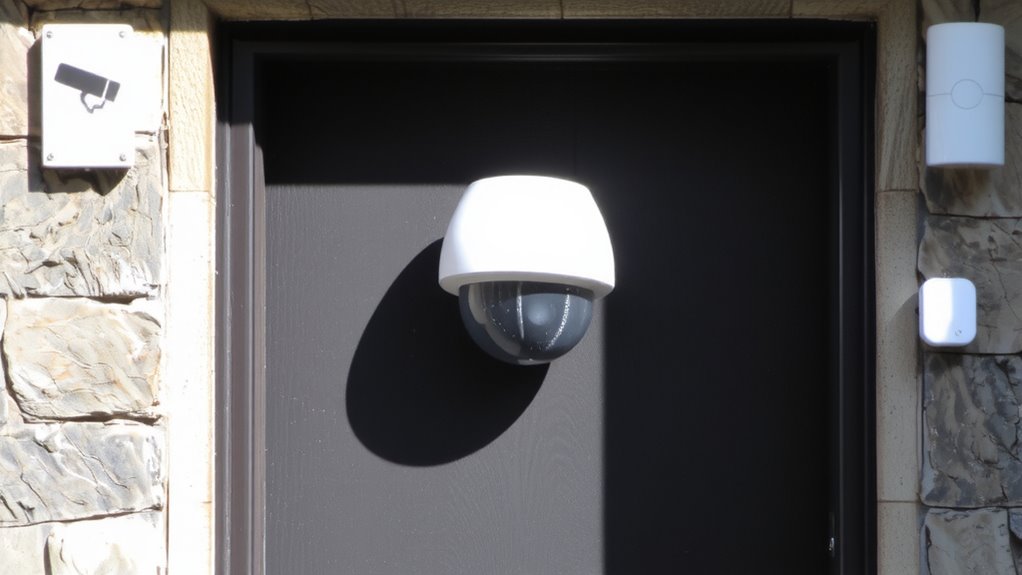
You’ve probably seen them on front lawns or near back doors-small plastic signs warning that surveillance cameras are watching. While fake camera signs are generally legal, you should know the legal implications vary by location. Most areas allow them as long as they don’t mimic police or monitored systems, which could mislead authorities. Ethical concerns arise when signs deceive not just intruders but also guests or neighbors. Some argue it’s smart deterrence; others see it as dishonesty. Below is a quick guide to help you weigh your options:
| Factor | Pros | Cons |
|---|---|---|
| Legality | Allowed in most places | Restricted if mimicking law enforcement |
| Ethics | Discourages crime without invasion | Misleads people, raising trust issues |
| Cost | Inexpensive ($5–$15) | No real monitoring or evidence capture |
Consider these points before installing.
Best Spots to Place Dummy Security Signs
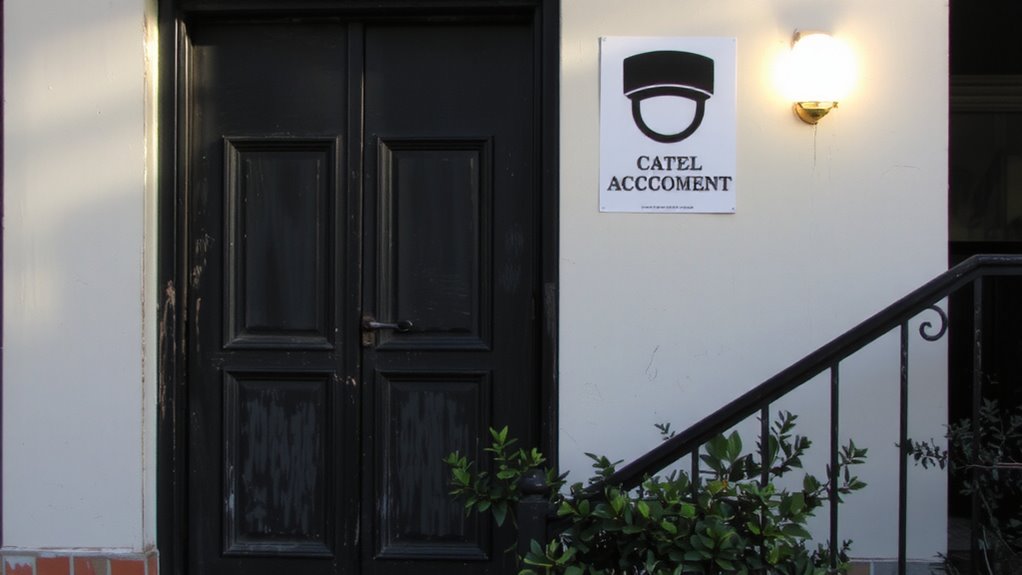
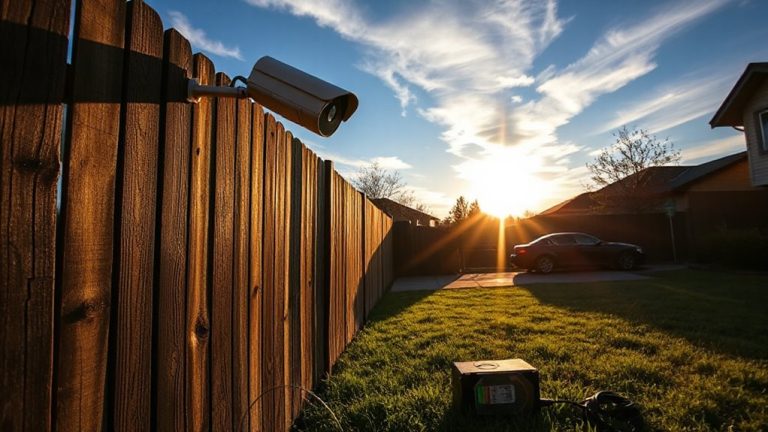
When positioning dummy security signs, visibility is key-place them where potential intruders can easily see them from the street or common access points. Focus on areas like front and back doors, ground-floor windows, and garage entrances, since these are frequent targets. High placement visibility boosts deterrence by signaling surveillance coverage. Use signs that mimic real systems to enhance sign authenticity, making them more convincing. Avoid hiding signs behind plants or in dim corners-this reduces effectiveness. Mount them at eye level on walls, posts, or near actual or fake cameras. For homes with fences, install signs at gate entrances. Consider lighting to keep signs readable at night. While dummy signs don’t record, their strategic placement can discourage attempted break-ins. Confirm local regulations allow such signage, and pair them with other visible security measures for stronger overall prevention.
How to Pick Realistic-Looking Fake Camera Labels
A convincing fake camera label starts with realistic design details that mimic actual security systems. You’ll want to check both material quality and design accuracy to avoid obvious fakes. Labels made from thick, weather-resistant vinyl last longer and look more authentic than flimsy paper ones. Look for accurate logos, model numbers, and technical wording that match real brands-these small details boost credibility. Design accuracy also includes proper sizing, font style, and reflective surfaces that resemble actual equipment. Avoid anything with spelling errors or overly bright colors; they’re red flags to observant intruders. Labels around 4×6 inches work best for visibility. Most cost $5–$15 per unit, with packs offering savings. Investing in higher material quality upfront reduces replacement needs and strengthens deterrent effect over time.
Boost Security: Pair Signs With Lights and Locks
Realistic fake camera labels alone can discourage casual intruders, but their effectiveness increases significantly when combined with working security measures like motion-sensor lights and solid locks. You boost credibility by placing signs near active motion sensors, which startle trespassers with sudden light. Pairing these with visible deadbolts and secure door frames makes forced entry harder. Consider connecting lights to alarm systems for stronger deterrence-many systems alert you or monitoring services when triggered. Motion sensors work best when angled to cover entry paths, not pointed at bushes or roads. Alarm systems with audible sirens create the impression of monitored surveillance, even if you’re using simulated cameras. Together, signs, lights, and locks create layered defense. This setup costs $100–$300 for basic models, offering a cost-effective way to enhance home security without full camera installation. For optimal performance, choose wireless models with wide detection ranges and best outdoor motion sensor lights to ensure reliable coverage in all weather conditions.
On a final note
You can deter some intruders with fake surveillance camera signs, but results vary by location and visibility. These signs are generally legal and ethical, though not a substitute for real security. Place them near doors, windows, and driveways, pairing with motion lights and strong locks. Choose signs that mimic real systems for better effect. While affordable, they offer limited protection-best used as part of a broader, layered security plan.