Annual Fire Drill Test: Smoke Alarms + Central Monitoring Guide
You should run annual fire drill tests that trigger both smoke alarms and central monitoring to confirm your system works under real conditions. Notify key staff, activate the manual alarm during business hours, and verify the signal reaches the monitoring center. Check evacuation routes, test cellular backup, and review logs. Include fire wardens and safety teams to guide responses. Fix common issues like dead batteries or weak signals now-knowing it works could save lives later.
Notable Insights
- Test the fire alarm system annually by manually triggering devices to activate both local smoke alarms and central monitoring.
- Verify that alarm signals successfully transmit to the monitoring center during the drill using signal confirmation tools.
- Coordinate with your monitoring provider in advance to avoid false emergency dispatches during the test.
- Ensure all detection and communication components are UL-certified and equipped with cellular backup for reliability.
- Document system performance, including alarm activation and signal delivery, to address any failures immediately.
Why You Can’t Skip Your Annual Fire Drill Test
While it might seem easy to put off your annual fire drill, skipping it could put lives at risk-fire departments and safety experts agree that regular practice greatly improves response times and reduces panic during real emergencies. You’re responsible for guaranteeing legal compliance, as many areas require documented drills for residential and commercial properties. Failing to meet these standards can lead to fines or liability issues. Plus, testing your system annually checks its reliability-if alarms fail to activate or monitoring centers don’t receive signals, you won’t know without a drill. A well-documented test confirms that smoke alarms trigger and that the central monitoring system responds correctly. Investing an hour each year improves system reliability, guarantees legal compliance, and gives you confidence your fire response plan works when it matters most.
Who Needs to Be in Your Fire Drill Test (and What They Do)
Who’s responsible for making sure your fire drill runs smoothly? You are. Every employee has a part to play, and clear employee roles guarantee everyone knows their duties during an emergency. You’ll need a fire warden to guide people out, someone to check rooms, and another to communicate with emergency services. Your safety team handles emergency coordination, making sure the plan is followed and adjustments are made if needed. Include staff from every department so the drill reflects real conditions. You should also assign someone to assist visitors or those with disabilities. Each person must understand their responsibilities ahead of time. A well-coordinated team improves response time and reduces confusion. You’re not just testing alarms-you’re testing people, plans, and preparedness. When roles are defined, your drill becomes a practical tool for real emergencies.
How to Run a Fire Alarm Test That Actually Works
If you want your fire alarm test to be effective, start by scheduling it during normal business hours when most employees are present, so the drill reflects real-world conditions. Notify key personnel in advance, but avoid announcing the exact time to employees to simulate a real emergency. Begin with manual alarm activation to guarantee the signal reaches all zones and triggers central monitoring. Confirm all evacuation routes are clear and that designated floor wardens are in place. During the drill, monitor response times and head counts. After evacuation, conduct system verification by reviewing alarm logs, checking communication with monitoring services, and inspecting that all devices reset properly. Document each step and address any delays or malfunctions immediately. A well-run test guarantees compliance, improves safety, and builds confidence in your system’s reliability under pressure. Keep records for audits and future planning.
Fix These 5 Common Fire Drill Test Failures
You’ve tested your fire alarm and followed the steps to make sure everyone gets out quickly and safely, but even well-planned drills often uncover problems that could undermine the entire system. False alarms and poor equipment calibration are common issues. Check these five frequent failures:
| Issue | Cause | Fix |
|---|---|---|
| False alarms | Dust or improper sensors | Clean detectors, check placement |
| Weak alarm sound | Dead batteries or wear | Replace power sources annually |
| Delayed central alert | Poor signal transmission | Test radio links, update firmware |
| Sensor failure | Lack of equipment calibration | Schedule professional tuning yearly |
Ignoring these can delay evacuations. False alarms erode trust, while poor calibration risks detection failure. Address each point during your annual test. Use data from past drills to improve response. A well-maintained system guarantees reliability when lives depend on it.
Sync Your Smoke Alarms With Monitoring: A Final Check
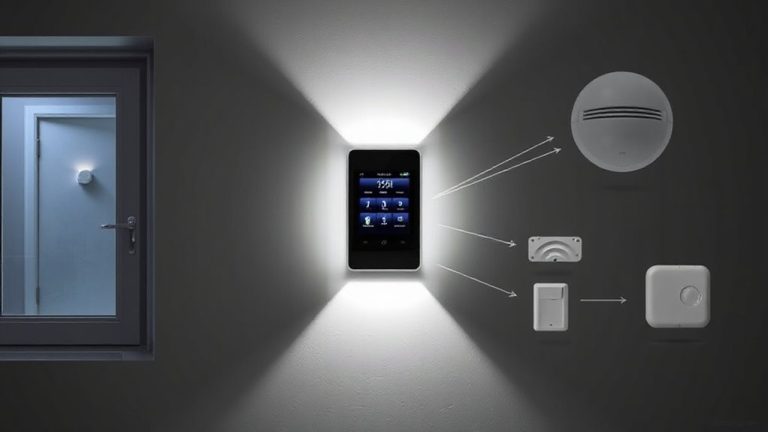
A reliable fire safety system isn’t complete until your smoke alarms are synced with a 24/7 monitoring service, because even the most sensitive detectors can’t alert emergency responders if no one’s on-site to hear the alarm. Alarm synchronization guarantees all devices communicate instantly, sending a signal to the monitoring center the moment smoke is detected. This integration allows for rapid response, even when you’re away. During your annual fire drill test, verify that each alarm triggers the central system-this is called signal verification. Monitoring services use this step to confirm the alert reached them and help reduce false alarms. Most systems cost $20–$50 monthly, with professional installation adding upfront expense. While self-monitoring apps exist, they lack constant oversight. For maximum reliability, choose a UL-certified system with cellular backup. Syncing isn’t optional-it’s a critical layer in modern home fire safety.
On a final note
You should run your annual fire drill to confirm both smoke alarms and central monitoring respond correctly. Test every detector, make sure alerts reach monitoring services, and fix wiring or battery failures immediately. Syncing systems reduces false alarms and response delays. A working drill takes under 30 minutes and costs nothing if done yourself. Include family or staff, assign roles, and document results yearly to improve safety and meet insurance rules.