Practicing Silent Evacuation Signals for Home Intrusion or Active Threat Situations
You can cut evacuation time by up to 60% with a silent signal practiced regularly by everyone in your home. Use a consistent sound, light, or vibration-like a specific doorbell tone or flashlight blink-so all family members respond quickly and quietly. Install signals near bedrooms, exits, and common areas, and test coverage so no one misses the cue. Activate only for clear threats, not ambiguous noises, to avoid panic. Monthly drills build muscle memory, then switch to quarterly to maintain readiness without stress-and knowing the right balance keeps your family prepared, aware, and ready to act.
Notable Insights
- Use a consistent, silent signal like a specific light pattern or vibration to alert household members without alerting threats.
- Involve all family members in creating and practicing the signal to ensure understanding and quick response.
- Place signals in key areas like bedrooms, hallways, and exits to cover all home layout zones effectively.
- Activate the signal only when a real threat is confirmed, such as forced entry or sight of an intruder.
- Practice the evacuation plan quarterly to maintain readiness while minimizing anxiety or desensitization.
How to Create Effective Silent Evacuation Signals
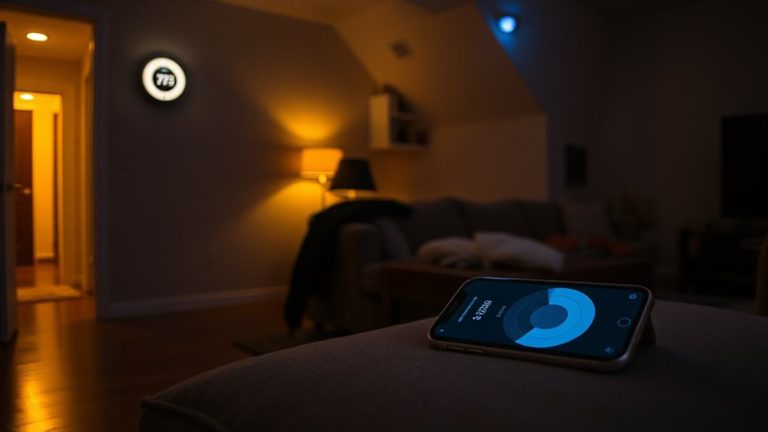
Why wait until it’s too late to plan your response? You need silent evacuation signals now to protect your household during a home intrusion. Start by establishing signal consistency-use the same sound, light pattern, or vibration every time so everyone responds correctly without confusion. Inconsistent signals create delays, and in emergencies, seconds matter. Include all family members in designing the system to guarantee family coordination. Discuss who triggers the signal, how to acknowledge it, and where to exit safely. Practice monthly to reinforce the routine. Use affordable tools like smart lights, doorbells, or wearable buzzers. Smart systems offer reliability but cost more; manual methods work but depend on discipline. Test for clarity and coverage in all rooms. With signal consistency and strong family coordination, your silent evacuation plan becomes predictable, fast, and effective-giving you control when you need it most.
How to Match Signals to Your Home’s Layout
How well does your current alarm system cover every corner of your home? To maximize effectiveness, start with room mapping to identify high-traffic areas, entry points, and potential hiding spots. This helps determine where silent signals are most needed. Proper signal placement guarantees each room receives clear, immediate alerts without delay or obstruction. Place devices in hallways, near bedrooms, and at exits for best coverage. Consider dead zones-areas with poor sound or vibration transmission-and adjust placement accordingly. Test signals regularly to confirm they’re detectable in every mapped room. Use wireless systems if rewiring isn’t feasible, though wired options tend to offer greater reliability. Balance cost with coverage, prioritizing rooms where family spends the most time. Effective room mapping and strategic signal placement work together to create a responsive, reliable evacuation network tailored to your home’s unique layout. For reliable performance, consider systems recognized in expert evaluations of the best home alarm systems.
When (and When Not) to Activate Your Plan
When should you trigger your silent evacuation plan-and when should you hold back? You should activate it only when you’re certain there’s a real, immediate threat-like seeing an intruder or hearing forced entry. That’s when to alert your household quickly and quietly. But if it’s just a strange noise or a flickering light, don’t panic. False alarms waste time and increase fear. When not to panic is just as important as knowing when to act. Stay calm, assess the situation, and trust your instincts. Use your signal only when the danger is confirmed. Acting too soon can expose your location. Delaying too long can limit escape time. Balance caution with readiness. Practice helps you respond correctly under pressure. Your plan works best when based on evidence, not emotion.
How Often to Drill Without Causing Anxiety
Practicing your silent evacuation plan builds confidence and guarantees everyone responds correctly under pressure, but doing it too often can backfire. Your drill frequency should balance preparedness with anxiety management, especially for children or sensitive household members. Experts recommend practicing once every three months-this keeps skills sharp without causing stress. If someone shows signs of unease, reduce frequency or add a calming routine afterward. Short, predictable drills are less likely to cause fear than surprise sessions. Always debrief calmly to reinforce control and competence. You might start with monthly drills for the first quarter, then shift to quarterly as routines solidify. Monitoring emotional responses helps adjust timing. Consistent but moderate practice supports long-term retention. Prioritize clear communication and gradual building of confidence. With thoughtful planning, your household stays prepared while maintaining emotional well-being.
Why Silent Evacuation Signals Save Lives
Why wait for an intruder to make the first move before guaranteeing your family can respond safely? Silent evacuation signals enable rapid response without alerting a threat, giving everyone a clear plan. When danger strikes, shouting or calling can escalate risk, but a prearranged signal-like a flashlight flash or door tap-triggers immediate, quiet action. This boosts threat awareness across household members, especially kids or elderly who might not hear alarms. Studies show homes with practiced signals reduce evacuation time by up to 60%. You don’t need expensive gear; simple, consistent cues work best. Practice quarterly to maintain clarity. While signals won’t stop intruders, they let your family act as a team, minimizing confusion. Real advantage? You gain seconds-critical ones-during the most vulnerable moments. Plan your signal today, and test it under realistic conditions to guarantee it works when it counts.
On a final note
You now know how silent evacuation signals work, why they matter, and when to use them. These signals save lives by reducing noise and confusion during threats. Tailor them to your home’s layout, practice regularly but calmly, and guarantee everyone understands the plan. Drills should build confidence, not fear. For best results, review and update your system every six months, using simple, consistent cues that all household members can follow quickly and quietly.