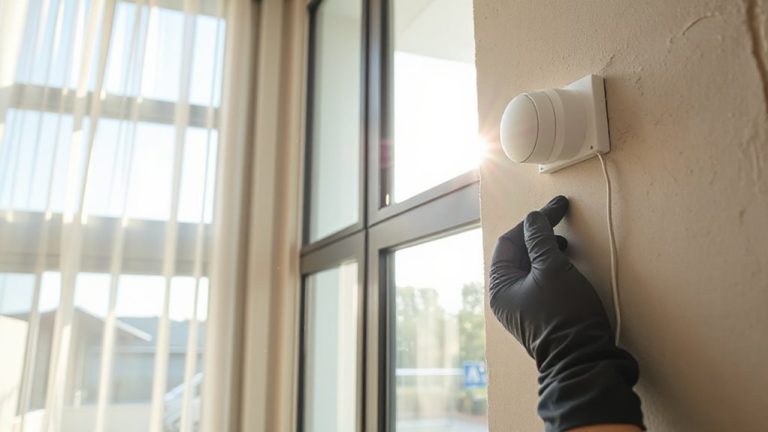
What the Fine Print in Cloud Storage Contracts Means for Your Home Surveillance Data Ownership
Your home surveillance footage is yours, but cloud storage contracts often let companies keep, analyze, or share it. You control access and can delete videos, but providers may retain usage rights-especially for AI training or third-party analytics. Most offer 14–30 days of storage, with longer tiers for paying plans. Encryption and warrant requirements vary, so check if your data is end-to-end secured. Opt-out options exist, but not always by default-knowing your provider’s policy helps protect your privacy. There’s more to how your data’s handled behind the scenes.
Notable Insights
- Users typically retain ownership of their home surveillance footage stored in the cloud.
- Cloud providers may claim limited usage rights for service operation and improvements.
- Footage can be accessed by law enforcement, sometimes without user notification or consent.
- Retention periods vary by plan, with older videos automatically deleted when storage limits are reached.
- Some companies use video data to train AI, often without requiring explicit user permission.
Who Owns Your Home Surveillance Footage?
Your home surveillance footage is usually considered your property, but the details depend on where you live and the terms of your cloud storage contract. You retain data ownership in most cases, meaning you control access and can delete footage anytime. Still, some providers claim limited usage rights, so always read the fine print. Your privacy rights may be affected if the company shares aggregated or anonymized data with third parties. Check whether encryption is enabled by default and if you hold the decryption keys. Plans vary-some include 30-day rolling storage, others offer longer retention for higher fees. Free tiers often limit features and may increase data-sharing risks. For stronger protection, opt for end-to-end encryption and local backup options. Knowing your contract helps safeguard your rights and keeps your data truly yours.
Can Police or Hackers Access Your Security Camera Videos?
How secure is your security camera footage, really? If stored in the cloud, it could be vulnerable to data breaches or accessed by hackers exploiting weak passwords or software flaws. Some companies may also allow law enforcement access upon request, even without a warrant, depending on their policies. Unauthorized sharing is another concern, especially if third parties gain access through compromised accounts. While encryption helps, not all services use strong end-to-end protection. You should enable two-factor authentication, use unique passwords, and review each provider’s security specs before choosing a plan. Cheaper plans often cut corners on protection, so consider higher-tier options with better safeguards. Always assume cloud-stored videos aren’t fully private-plan accordingly.
How Long Do Companies Keep Your Recorded Video?
While some cloud storage providers retain video for just a few days, most keep recordings between 14 and 30 days by default, depending on your subscription plan and the company’s policies. Your data retention period is tied directly to your service tier-higher plans often extend the storage duration to 60 or even 90 days. Check your provider’s terms to confirm how long they store your footage. Some companies offer rolling deletion, meaning older videos are automatically erased as new ones are recorded. This guarantees you never exceed your plan’s limit. Data retention isn’t permanent, so download clips you want to keep long-term. Free plans typically offer shorter storage duration and limited data retention. Always review contract details, since changes can affect how long videos are saved. Knowing your plan’s storage duration helps you manage evidence and privacy effectively.
Is Your Camera Data Used to Train AI Without Consent?
Many cloud-based security camera providers now use recorded footage for purposes beyond simple storage and playback, and one growing concern is whether that data helps train artificial intelligence systems behind the scenes. You might not realize it, but your video could be involved in algorithm training that improves facial recognition or motion detection features. Some companies leverage this data as part of data monetization, even if they don’t sell footage directly. While this can lead to better performance over time, it often happens without explicit consent. Always check your provider’s terms: look for opt-out options or policies on AI use. Companies that disclose their practices clearly tend to be more trustworthy. If privacy matters to you, choose services that limit algorithm training to anonymized data or allow user control. Read updates regularly-policies can change.
What Happens to Your Footage When Shared With Third Parties?
Where does your camera footage really go once it leaves your device? More often than not, it’s shared with third parties under terms you may not fully understand. When you agree to cloud storage, you’re typically granting data licensing rights that allow companies to share or even sell access to your footage. This includes enabling third party analytics, where your videos are analyzed for patterns-like foot traffic or behavior-that benefit advertisers or developers. While these practices can improve services, they also raise privacy concerns. You might not know who’s viewing or using your video data, or how long it’s stored. Some providers are transparent about these partnerships; others bury them in lengthy legal agreements. Review contracts carefully, especially clauses tied to data sharing. Opt for services that limit third party access or offer paid plans with stricter privacy controls.
How Can You Regain Control Over Your Surveillance Data?
How much say do you really have over who sees your surveillance footage once it’s stored in the cloud? Not much-unless you act. Start by reviewing your provider’s data portability options, which let you download or transfer footage to personal storage. This gives you direct control instead of relying on the company. Always check when and how user consent is obtained before your data is shared. Some services allow opt-outs, while others bury permissions in updates. Switch to platforms with clear privacy settings, local storage support, and transparent sharing policies. Pros include enhanced security and autonomy; cons may involve higher costs or setup effort for local systems. Plan ahead by reading contracts monthly and backing up key recordings. You can’t control everything, but with smart choices, you regain power over what matters most-your privacy. A reliable monitor for security cameras ensures you can physically view and manage your footage without depending solely on cloud access.
On a final note
You own your home surveillance footage, but cloud storage terms may let companies retain, share, or use it under certain conditions. Police can access videos with a warrant, and hackers may exploit weak security. Most providers keep recordings 30 to 60 days. Some use data to train AI unless you opt out. Review privacy settings, enable encryption, and consider local storage to maintain control.