How to Sync Environmental Sensor Alerts to Your Phone During Power Outages
Use battery-powered sensors that last 1–3 years and pair them with a cellular gateway for outage coverage. The gateway uses a SIM card to stay online via 4G or 5G, syncing alerts when Wi-Fi fails. Enable SMS notifications-delivered through cellular networks-to receive urgent updates on floods, gas, or temperature swings. Test the system monthly and verify sensor placement to avoid false alarms. A reliable app ties everything together, letting you monitor conditions seamlessly. You’ll want to see how each component performs under real outage conditions.
Notable Insights
- Use battery-powered sensors to maintain environmental monitoring during power outages.
- Connect sensors to a cellular gateway for uninterrupted sync via 4G/5G networks.
- Enable SMS alerts through a cellular gateway to receive urgent phone notifications.
- Test the system during a simulated outage to confirm alert delivery and sensor function.
- Monitor all sensors in one app with outage-tested sync and reliable cellular backup.
Use Battery Sensors That Work Without Power
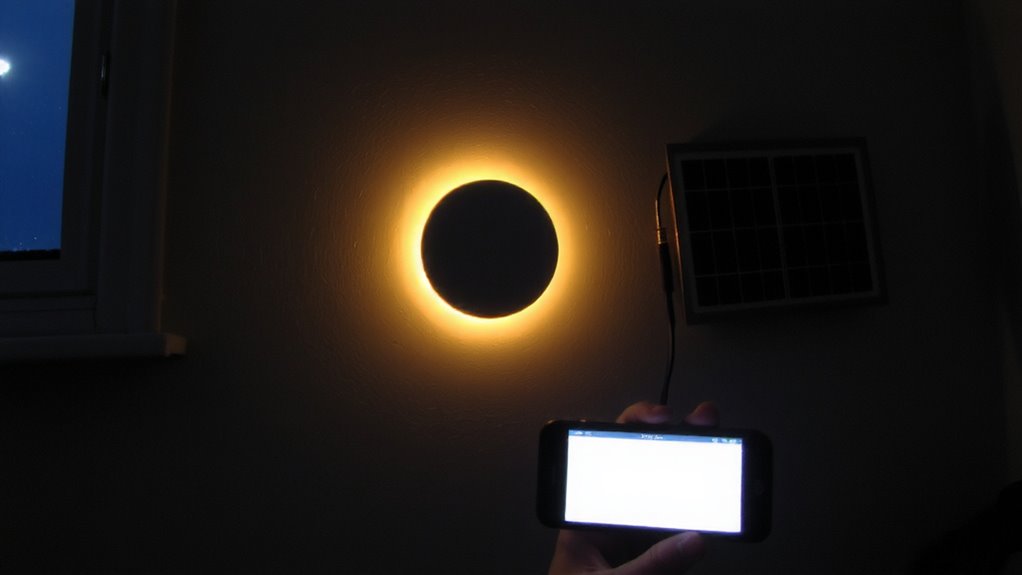
Even if the power goes out, your sensors can still work-provided they run on batteries instead of your home’s electrical system. Battery life varies by model, but most quality sensors last 1–3 years on a single charge. You’ll want to check specs and replace batteries proactively to avoid gaps in monitoring. Sensor placement also affects performance-keep sensors away from direct sunlight, moisture, and areas with extreme temperature swings. Poor placement can drain batteries faster and trigger false alerts. For best results, install sensors in high-traffic or critical areas like basements, garages, or near water heaters. Test them monthly. Though battery models cost slightly more upfront, they offer reliable operation during outages. Just remember to factor in long-term battery replacement costs and labor. Planning both battery life and sensor placement carefully guarantees your system stays active when you need it most.
Connect to a Cellular Gateway for Continuous Sync
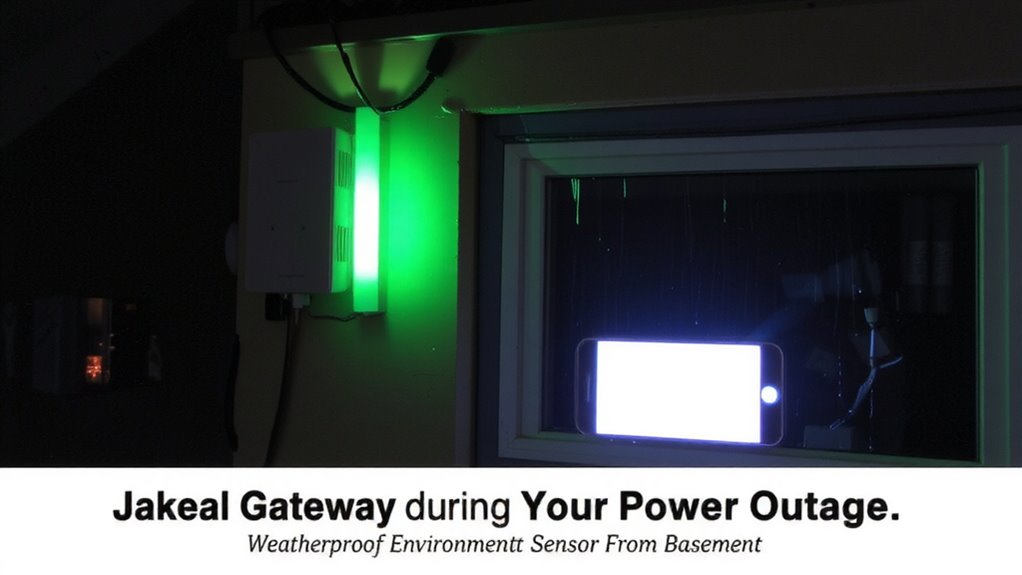
How do your sensors stay connected when the power and internet are down? A cellular gateway keeps your system online using cellular redundancy, so alerts still reach your phone. If your Wi-Fi fails, the gateway automatically switches to a cellular network through a built-in SIM card-this is called network fallback. Most systems use 4G LTE, which is reliable in most areas, and some support 5G for faster speeds. You’ll need a service plan, usually $10–$20 per month, so consider that in your budget. These gateways work with battery-powered sensors, creating a full backup system. A solid cellular signal at your location is key-test it before buying. Setup is simple, usually through an app. While more expensive upfront, cellular gateways offer dependable connectivity when you need it most. Some top models even integrate with cellular security cameras for comprehensive off-grid monitoring.
Get SMS Alerts When Conditions Turn Dangerous
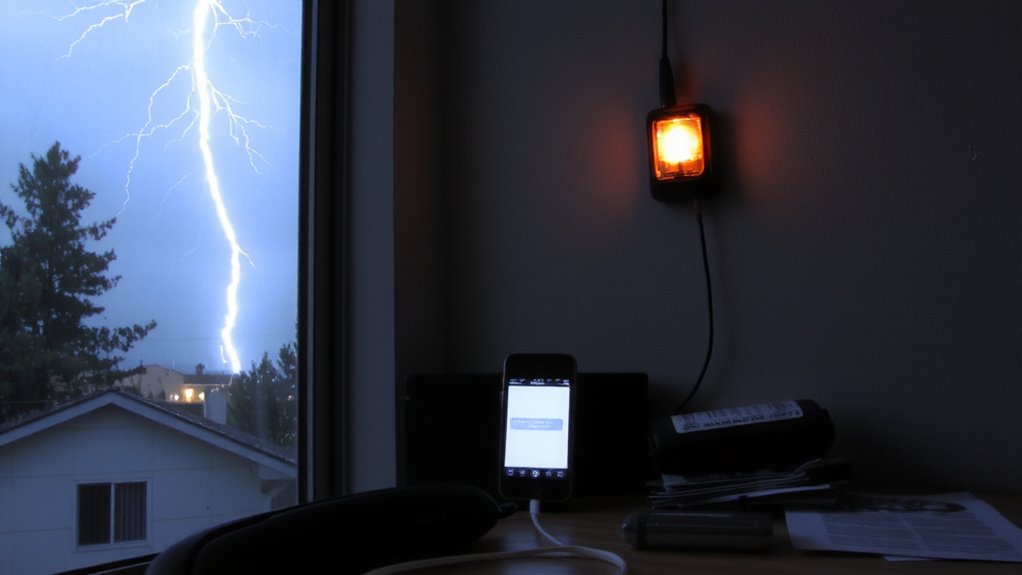
What happens when danger strikes and you’re not online to receive an alert? SMS alerts bypass internet dependency, sending critical updates directly to your phone via cellular networks. Once your sensors are connected to a cellular gateway, you can set up automatic SMS notifications for extreme temperatures, floods, or gas leaks. Proper sensor calibration guarantees readings stay accurate, reducing false alarms and boosting reliability. With alert prioritization, you’ll get urgent messages first-like carbon monoxide spikes-so you can respond quickly. Most systems let you customize contact lists and escalation rules, so backup contacts are notified if you don’t acknowledge a high-priority alert. SMS plans typically cost $5–$15 monthly, depending on message volume. While slower than push notifications, SMS remains one of the most dependable methods during blackouts, especially when paired with a backup power source.
Test Your Outage Alert System Before Blackouts
A well-functioning alert system means little if it hasn’t been tested under real-world conditions. You should simulate a power outage to confirm your sensors still send alerts when the main power’s off. Use a backup power source like a battery or generator during testing to mimic actual blackout scenarios. This helps you catch false alarms before they happen-sometimes caused by sudden power shifts or sensor reboots. Signal interference from walls or nearby electronics can also weaken communication between sensors and your hub. Test each sensor’s range and placement to reduce disruptions. Check that your phone receives alerts promptly and accurately. Testing regularly guarantees reliability when it matters most. Make it a habit every few months, especially after updating devices or changing your network. A quick test now prevents missed warnings later.
Check All Sensors From One App During Emergencies
When disaster strikes, will you really want to check five different apps to find out which sensor triggered? No-you need clarity fast. That’s why choosing a system with strong sensor compatibility and a clean app interface is critical. A unified platform lets you monitor every sensor from one dashboard, even during power outages. Below is a comparison to help you evaluate top all-in-one options:
| Feature | App A | App B | App C |
|---|---|---|---|
| Sensor Compatibility | 8+ types | 5 types | 10+ types |
| App Interface Quality | Intuitive | Average | Advanced |
| Outage Sync Test Passed | Yes | No | Yes |
| Subscription Required | Yes | No | Yes |
Look for wide sensor compatibility and a responsive app interface. Apps like App C offer broad device support but may require subscriptions. Test alert delivery during simulated outages to verify performance.
On a final note
You’ll stay protected during outages by using battery-powered sensors and a cellular gateway, which keeps data flowing without Wi-Fi or power. SMS alerts deliver instant warnings, even if your phone is offline. Test the system regularly to confirm reliability. A single app lets you monitor all sensors quickly in emergencies. These steps, backed by reliable tech, offer clear advantages despite higher upfront costs. Plan carefully for long-term safety.