Understanding How Wearable Devices Can Improve Personal Safety During Daily Commutes Or Traveling Abroad
Your wearable detects falls or impacts using motion sensors and can send automatic alerts to emergency contacts or monitoring services. GPS tracking shares your real-time location, even without cell service, while SOS buttons let you discreetly request help. These devices sync with smartphone apps via Bluetooth, requiring cellular or Wi-Fi for alerts abroad. Most cost $50–$200, with subscription plans from $5–$15 monthly. Longer battery life and durable designs improve reliability. You’ll discover which features match your commute or travel plans next.
Notable Insights
- Wearable devices detect falls or impacts automatically and send alerts to emergency contacts during daily commutes or travel.
- GPS tracking in wearables provides real-time location sharing with trusted contacts, even without cell service.
- Discreet SOS buttons or gestures trigger emergency alerts, offering panic protection in unsafe situations abroad.
- Integration with smartphone apps allows customized safety settings and instant notifications during emergencies.
- Durable, long-lasting wearables with water resistance and multi-day battery life ensure reliable use during extended travel.
How Safety Wearables Protect You on the Go
While you’re out walking, jogging, or traveling, safety wearables can provide real-time protection by detecting emergencies and sending alerts automatically. These devices use emergency detection to recognize sudden impacts, falls, or irregular movements, then trigger alerts to emergency contacts or monitoring services. With personal tracking, your location is shared securely, allowing trusted contacts to follow your route during commutes or trips abroad. GPS-enabled wearables offer accurate, continuous location updates without draining battery life quickly. Most models work with smartphone apps, letting you customize alert settings and response protocols. While subscription fees for tracking services typically range from $5 to $15 monthly, the added security is valuable for frequent travelers or those in high-risk areas. Devices vary in accuracy and battery life, so compare specs before buying. Wearables aren’t foolproof, but they considerably improve response times during critical events, giving you measurable peace of mind. One effective option for immediate alerting is a best panic buttons solution that integrates seamlessly with your wearable or smartphone.
Key Features That Trigger Real-Time Protection
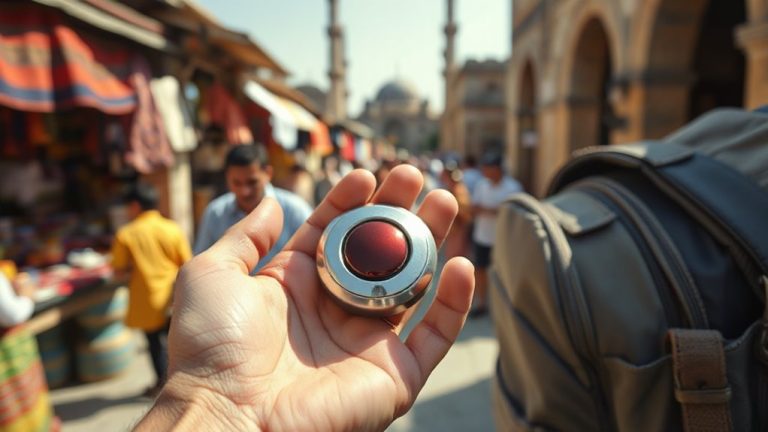
Real-time protection in safety wearables relies on a mix of smart sensors and responsive technology built to act the moment something goes wrong. You benefit most when devices include panic detection and fall sensing, features designed to recognize sudden distress. Panic detection lets you discreetly trigger an alert with a button press or gesture, useful when speaking isn’t safe. Fall sensing uses motion sensors to detect hard impacts or unnatural stillness, automatically alerting contacts if you don’t respond. These systems work best when calibrated to reduce false alarms, but they’re not perfect-environmental factors or movement style can affect accuracy. For reliable performance, choose wearables with proven sensor precision and quick response times. Most models last 1–3 days on a charge, with prices ranging from $50 to $200. Make sure the one you pick fits your daily routine and offers clear, consistent protection without overpromising.
How GPS and SOS Alerts Keep You Safe
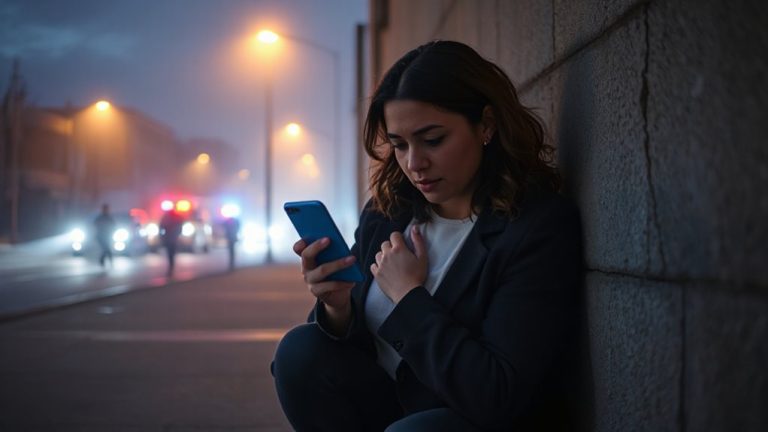
Your location can make all the difference when help is needed. GPS and SOS alerts work together to send your emergency location to responders instantly. When you press the SOS button, the device activates instant tracking, so loved ones or emergency services can see where you are in real time. This is especially useful during daily commutes or while traveling, where delays in sharing your position could increase risk. Accurate emergency location data improves response times, giving help a clear path to you. Most devices use satellite signals, so they work even without cell service. While battery life can vary, consistent charging guarantees reliability. GPS accuracy is strong in open areas but may weaken indoors or in dense cities. Still, instant tracking provides far more protection than a phone alone. Choosing a model with long battery life and reliable GPS guarantees you stay connected when it matters most.
Choosing the Best Safety Wearable for Your Lifestyle
What kind of activities do you do each day, and how much risk do they involve? If you commute frequently, travel alone, or enjoy outdoor adventures, your safety wearable should match your routine. Look for strong battery longevity-devices lasting at least five days reduce charging hassles and guarantee consistent protection. For those in urban environments or business travel, sleek fashion design matters; you’re more likely to wear a device that fits your style. Consider models with discreet SOS buttons and automatic fall detection. Waterproofing and durable materials add reliability in varied conditions. Price ranges from $50 to $200, with higher-end models offering longer battery life and better integration. Prioritize features that align with your daily movement patterns, not just aesthetics. A well-chosen wearable blends functionality, comfort, and design while keeping safety within reach.
Syncing Your Wearable With Your Phone for Instant Help
When your wearable syncs properly with your phone, help can be summoned within seconds, especially if you’re in an emergency and can’t reach your device. Bluetooth pairing guarantees a stable connection, so your wearable can send alerts instantly. Most devices let you assign emergency contacts, who’ll receive your location and a notification when you trigger a distress signal. This feature works seamlessly during daily commutes or while traveling abroad, provided your phone has cellular data or Wi-Fi access. Some wearables even detect falls and automatically contact emergency services. Make sure Bluetooth pairing is enabled and tested regularly to avoid connection drops. Keep emergency contacts updated and confirm they’re willing to respond. While most apps are free, some premium safety features require a subscription. Setup takes minutes and could make a critical difference.
On a final note
You can stay safer during commutes or travel with wearables that offer real-time GPS tracking and SOS alerts. These devices quickly share your location with emergency contacts or authorities when needed. Look for long battery life, water resistance, and easy phone syncing. While most work well, some require subscription fees. Choose one that fits your routine and budget, ensuring help is just a button press away.