Understanding How Virtual Reality Training Programs Can Be Used To Enhance Personal Safety Skills Such as Hand-to-hand Combat Techniques or Proper Use and Maintenance of Non-lethal Defense Devices Like Pepper Spray
You can build real personal safety skills with VR training that simulates hand-to-hand confrontations and pepper spray use in realistic, repeatable scenarios. Haptic feedback and motion tracking improve muscle memory, while AI coaches adjust difficulty and correct technique. Programs cost $50–$600, some with $15/month subscriptions, and show measurable improvement in 4–6 weeks. Training at home boosts accessibility and frequency without travel or class schedules. Key features include performance analytics, scenario repetition, and accredited content. Choosing programs with law enforcement endorsement and strong user reviews guarantees effectiveness. Next-level systems offer adaptive AI feedback and detailed progress tracking.
Notable Insights
- VR trains hand-to-hand defense through immersive, repeatable scenarios that build muscle memory and improve reaction time.
- Haptic feedback in VR simulates real-world impact, enhancing the effectiveness of strike and block techniques.
- VR pepper spray training improves aim and decision-making under stress using realistic environmental variables.
- Programs include troubleshooting simulations for non-lethal devices, teaching maintenance and rapid problem resolution.
- AI coaching and analytics personalize training, track progress, and adapt scenarios for skill advancement.
How VR Is Changing Personal Safety Training
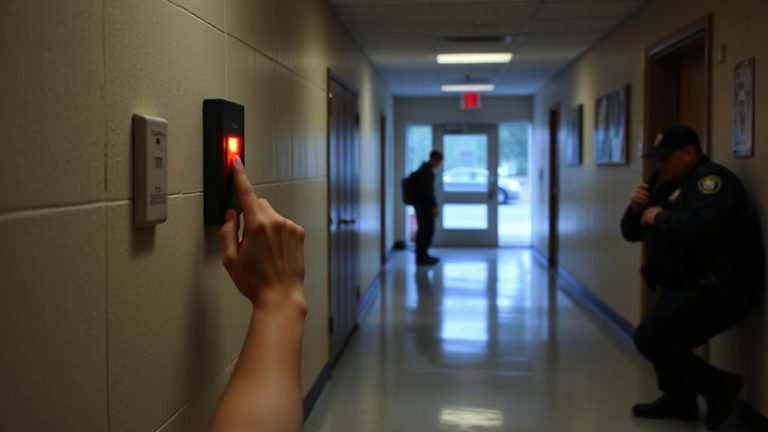
Picture stepping into high-pressure situations without ever leaving your living room-that’s the power virtual reality (VR) now brings to personal safety training. You experience immersive scenarios that simulate real-life threats, like confrontations or break-ins, in a controlled environment. These simulations engage your senses and decision-making skills without physical risk. With haptic feedback, you feel vibrations or resistance when interacting with virtual objects, such as deploying pepper spray or blocking an attacker’s strike. This tactile response sharpens muscle memory and reaction time. Programs often include guided instruction, progress tracking, and scenario repetition. Most systems cost $300–$600, with subscription fees around $15/month. While VR can’t replace real-world practice entirely, it builds confidence and mental readiness. Regular use, 2–3 sessions weekly, yields measurable improvement in threat recognition and response accuracy over six weeks.
Why VR Outperforms Traditional Self-Defense Classes
You’re not limited to crowded classrooms or rigid schedules when you train with virtual reality, and that’s where VR starts to pull ahead of traditional self-defense classes. With VR, you get cost efficiency-no need for travel, equipment rentals, or monthly gym fees. Accessibility improvements mean you can train at home, on your time, regardless of physical ability or location. Realistic simulations keep you engaged without requiring a partner or instructor present. Below is a comparison:
| Feature | VR Training | Traditional Class |
|---|---|---|
| Cost efficiency | High (one-time setup) | Low (ongoing fees) |
| Accessibility improvements | Available 24/7 at home | Limited by location and schedule |
| Skill repetition | Unlimited practice | Session-dependent |
You maintain control over your learning pace and environment, ensuring consistent, personalized growth in personal safety preparedness.
How VR Teaches Realistic Hand-to-Hand Defense
While traditional training relies on human partners who may vary in skill and consistency, VR delivers standardized, repeatable scenarios that replicate real-world physical confrontations with precision. You engage in virtual sparring scenarios that mimic common threats, like grabs or sucker punches, allowing you to practice responses safely. These simulations adjust difficulty based on your performance, ensuring steady progress. By repeatedly performing blocks, strikes, and escapes in realistic contexts, you build immersive muscle memory-your body learns the right moves without hesitation. Unlike classroom drills, VR places you in dynamic environments, such as parking lots or hallways, increasing situational awareness. Systems like these typically cost $200–$600, with monthly subscriptions around $15. They require minimal space and no partner, making practice convenient. Studies show users improve reaction time and technique accuracy within four weeks of regular use.
VR Training for Accurate Pepper Spray Use
Because proper pepper spray use depends on split-second decisions and precise aim under stress, VR training offers a controlled way to practice without real-world risks. You’ll face realistic scenarios where timing and accuracy matter, learning to deploy quickly when an attacker closes in. These programs simulate wind, distance, and movement, helping you master pepper spray calibration so you hit your target without exposing yourself. VR also teaches device troubleshooting-like clearing clogs or fixing failed triggers-so you stay effective even if the spray doesn’t activate right away. Training tracks your response time and aim, giving data to improve. Most systems cost $50–$150 and work with basic headsets. While not a replacement for real practice, VR builds muscle memory and confidence. You’ll learn exactly where and how to spray, increasing real-world effectiveness.
Staying Calm Under Pressure: VR for Real Threats
A steady mind in a crisis often makes the difference between safety and harm. With VR, you can build mental resilience by repeatedly facing simulated threats in a controlled space. These scenarios train you to stay focused, regulate your breathing, and act decisively under pressure. You’ll practice threat assessment in real time-spotting danger cues, deciding when to flee or defend, and choosing the right response. Unlike traditional drills, VR immerses you in dynamic environments where stress levels rise, letting you learn how your body and mind react. Studies show users who train with VR improve decision speed and accuracy by up to 30%. The key is consistent practice, which reinforces calm thinking when adrenaline surges. You’ll develop pattern recognition and reduce panic-driven mistakes. Over time, these skills become automatic, helping you respond effectively in real encounters. This kind of training doesn’t guarantee safety, but it increases your odds by sharpening judgment and control when seconds count.
How to Choose a VR Self-Defense Program
Where do you start when so many VR self-defense programs promise realistic training? Look for program accreditation first-verified courses developed with law enforcement or certified trainers guarantee the techniques are safe and effective. Without accreditation, you can’t be sure the content meets professional standards. Then, read user reviews to gauge real-world performance. People often share how intuitive the interface is, how responsive the scenarios feel, and whether the skills transferred to real life. Pay attention to comments about motion accuracy and ease of use, especially if you’re new to VR. Avoid programs with consistent complaints about glitches or outdated content. Check pricing models too-some charge monthly, while others offer a one-time fee. A higher price isn’t always better, but free options often lack updates and support. Balance cost with credibility.
Next-Gen VR: AI Coaches and Instant Feedback
Now that you’ve selected a credible VR self-defense program with proper accreditation and real-user validation, the next step is understanding how emerging features enhance training effectiveness-specifically AI-powered coaches and instant feedback systems. You’ll interact with AI avatars that simulate attackers or allies, adjusting scenarios in real time based on your decisions. These avatars provide guidance, correct your stance or grip on pepper spray, and repeat drills until you master them. Behind the scenes, data analytics track your response time, accuracy, and movement patterns, then generate personalized progress reports. This feedback helps you focus on weak areas like distance management or device deployment speed. While AI coaches can’t replace live instructors entirely, they offer consistent, scalable support. Look for programs that include detailed analytics access and regular AI updates. Expect higher prices for advanced features-typically $40–$80 annually-but the investment improves retention and real-world readiness.
On a final note
You gain real skills in a safe space when you use VR for personal safety training. Unlike traditional classes, VR offers repeatable, realistic scenarios with immediate feedback. You practice hand-to-hand moves and pepper spray use until responses become automatic. Look for programs with AI coaching, scenario variety, and progress tracking. While setup costs range from $200–$600, the long-term benefits in confidence and preparedness are backed by training data.