Using Tamper-Proof Door Sensors to Deter Professional Intruders Targeting Entry Points
You can stop professional intruders by installing tamper-proof door sensors on entry points like front and back doors, where nearly one-third of break-ins begin. These sensors detect jiggling, bumping, or prying in seconds, trigger silent alarms, and resist removal or signal jamming thanks to encryption and hardened design. They cost $20–$50 each, fit most existing systems, and alert monitoring services before full entry occurs-giving you faster response and stronger protection. More details on ideal setup follow.
Notable Insights
- Professional intruders often test doors first, making tamper-proof sensors a critical deterrent at entry points.
- These sensors detect subtle door movements like jiggling or bumping before a breach occurs.
- Tamper-proof designs resist removal, shielding, and physical attacks such as drilling or prying.
- Encrypted signals prevent hacking, jamming, or spoofing by sophisticated intruders.
- Strategic placement on front, back, and garage doors ensures coverage of high-risk access points.
How Burglars Test Doors: And How Sensors Foil Them
While checking for weaknesses, burglars often test doors first because they’re common entry points, and studies show nearly one-third of break-ins start at an exterior door. You might not realize it, but intruders use tactics like door jiggling to detect loose frames or faulty locks, and lock bumping to silently open keyed cylinders. These methods take seconds and leave little evidence. Tamper-proof door sensors detect abnormal movement or forced entry attempts, triggering alarms before full access occurs. Unlike standard sensors, they’re resistant to removal or shielding. Most install easily on existing frames, cost $20–$50 per unit, and work with most security systems. Pros include 24/7 monitoring and quick alerts; cons involve occasional false alarms if improperly installed. For best results, pair them with reinforced strike plates and deadbolts. For reliable protection, consider installing best household alarms that integrate seamlessly with tamper-proof sensors.
Stop Break-Ins Before They Start
Since most burglaries begin with subtle attempts to exploit weak entry points, installing proactive measures like tamper-proof door sensors can stop break-ins before they start. You might not realize it, but hidden vulnerabilities-like loose frames or outdated locks-give intruders the opening they need. These sensors detect even slight disturbances, triggering silent alarms that alert you and monitoring services immediately. Unlike loud sirens, silent alarms don’t warn intruders, giving authorities time to respond without escalating danger. Most systems integrate with home security networks, offering real-time notifications and remote access via smartphone apps. Look for models with battery backups and encrypted signals to guarantee reliability. While basic kits start around $100, professional installation and monitoring can add $20–$50 monthly. Considering the cost of stolen items or property damage, sensors are a cost-effective layer of defense. You’re not just securing a door-you’re closing access points before a threat grows.
What Makes Tamper-Proof Sensors Impossible to Fool
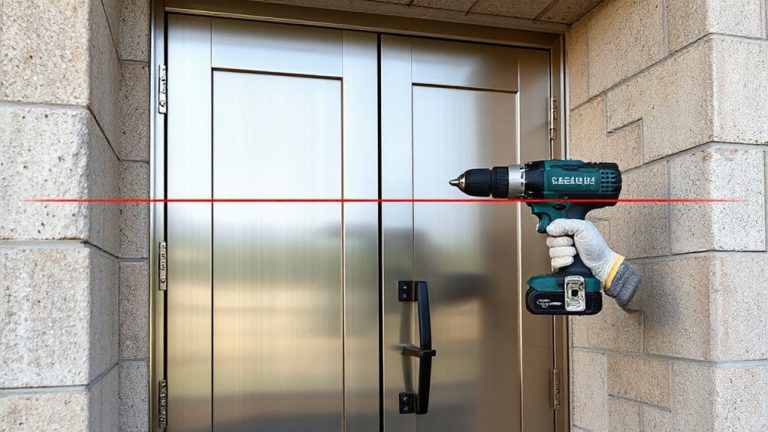
You’ve already seen how tamper-proof door sensors help stop break-ins before they start by detecting early signs of forced entry. What makes them nearly impossible to fool? It’s the combination of signal encryption and hardware hardening. Signal encryption guarantees hackers can’t intercept or clone your sensor’s communication with the alarm system. Even if someone tries to jam or spoof the signal, encrypted data blocks unauthorized access. Hardware hardening means the sensor’s casing and internal circuitry resist physical attacks-like drilling, prying, or shorting out. Tamper switches inside trigger an immediate alert if someone removes or damages the unit. These features work together so intruders can’t disable or bypass the device silently. While some sensors cost more upfront, the added protection justifies the investment. Look for models certified to industry standards for both encryption and durability.
Best Door Locations for Sensor Placement (And Which to Avoid)
A well-placed tamper-proof door sensor greatly boosts your home’s security, and knowing where to install them matters just as much as the technology itself. Focus on main entry points like front and back doors, where intruders are most likely to target. Avoid placing sensors near windows or loose frames, which create sensor blind spots. Use entry point redundancy by adding sensors to secondary doors, including garage access and sliding glass doors, so one compromised point doesn’t leave you vulnerable. For optimal performance, consider the type of garage door sensors recommended by experts when integrating with existing home security systems.
| Location | Recommendation |
|---|---|
| Front Door | High priority |
| Back Door | High priority |
| Garage Entry | Use redundancy |
| Sliding Doors | Avoid blind spots |
Proper alignment guarantees reliable detection. Install sensors on doors with solid frames to prevent tampering. Position magnets correctly-gaps reduce effectiveness. This strategic layout minimizes risk and strengthens overall intrusion detection without overcomplicating your setup.
Connect Sensors to Your Current System Without Hassle
Most tamper-proof door sensors work with common security systems, so connecting them shouldn’t slow you down. Thanks to wireless compatibility, you can install them without rewiring your home. These sensors sync easily with hubs from top brands, ensuring reliable communication. You’ll get easy integration whether you use a DIY system or a professionally monitored setup. Check your system’s frequency and protocol first-most support 345 MHz or Z-Wave, but verifying prevents glitches. Wireless compatibility also means you can expand your network later without extra drilling or cables. Setup usually takes under 15 minutes per sensor using built-in pairing modes. A few models may need adapters, so review specs before buying. Look for systems offering encrypted signals to prevent interference or bypass attempts. Easy integration saves time and boosts effectiveness, letting you secure entry points faster and with confidence. Overall, modern sensors simplify upgrades.
On a final note
You can stop many break-ins by securing entry points with tamper-proof door sensors. These devices detect forced entry attempts and trigger alarms, giving you time to respond. Place sensors on all exterior doors, especially those out of sight. Most models work with existing security systems and cost $20–$50 each. While no system is perfect, combining sensors with lights and locks greatly reduces risk.