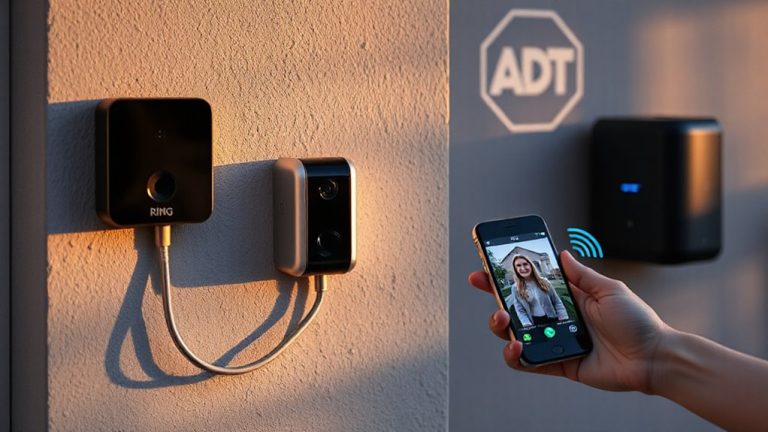
Assessing Home Security for Families With Special Needs Children
You should assess sensory, communication, and mobility risks when securing your home for a child with special needs. Use quiet visual alarms or vibration pads to alert without distress, and install smart tracking devices to monitor wandering-plans cost $10–$30 monthly. Secure exits with child-friendly locks placed out of reach, and place panic buttons in key areas for quick access. Coordinate safety plans with caregivers using encrypted apps. Integrating tailored systems improves safety while reducing anxiety-for families, more options and strategies follow.
Notable Insights
- Address sensory sensitivities with quiet alarms and color-coded lighting to reduce distress during emergencies.
- Use smart tracking devices to monitor wandering risks and receive real-time alerts when children approach exits.
- Install child-friendly locks out of reach, like magnetic or sliding bolt systems, to secure exits without causing anxiety.
- Implement vibration pads and visual alerts to provide non-auditory emergency notifications for nonverbal or deaf children.
- Place accessible panic buttons in key areas and integrate them with smart systems for quick emergency response.
Assess Sensory, Communication, and Mobility Risks
While every child faces potential risks at home, those with special needs may encounter unique challenges tied to sensory sensitivities, communication barriers, or mobility limitations-factors that can affect both safety and emergency response. You’ll need to assess how sensory overload might trigger distress during alarms or evacuations; loud sirens or flashing lights could disorient a child with autism. Consider quieter alarms or visual alerts tailored to their needs. Communication barriers mean your child may not call for help or understand instructions, so teach simple, practiced responses and guarantee caregivers are trained. For mobility concerns, evaluate stairs, door widths, and furniture layout to support quick exits. Install grab bars or ramps where needed. Balance safety modifications with daily comfort. Budget-friendly options include adaptive alert systems ($50–$150), though professional assessments ($200+) offer personalized plans. Plan early, test regularly, and update as needs change.
Monitor Wandering in Special Needs Kids With Smart Alerts
Because wandering poses a serious safety risk for many children with special needs-especially those with autism or intellectual disabilities-you’ll want to use smart alert systems that detect and respond quickly when a child approaches exits or restricted areas. These systems often include smart tracking devices, such as wearable GPS tags or RFID bracelets, that integrate with home sensors. When movement is detected, you’ll receive real time alerts through a mobile app or text message. Most models work within a preset perimeter, giving you time to intervene before a child leaves the home. Systems vary in battery life, range, and subscription costs-typically $10 to $30 monthly. Look for ones with customizable zones and low false alarm rates. While no solution is foolproof, pairing smart tracking with environmental monitoring markedly improves response speed and peace of mind. A reliable system can be enhanced by integrating it with a central smart home hub for unified control of sensors, alerts, and connected devices.
Secure Exits Without Triggering Anxiety
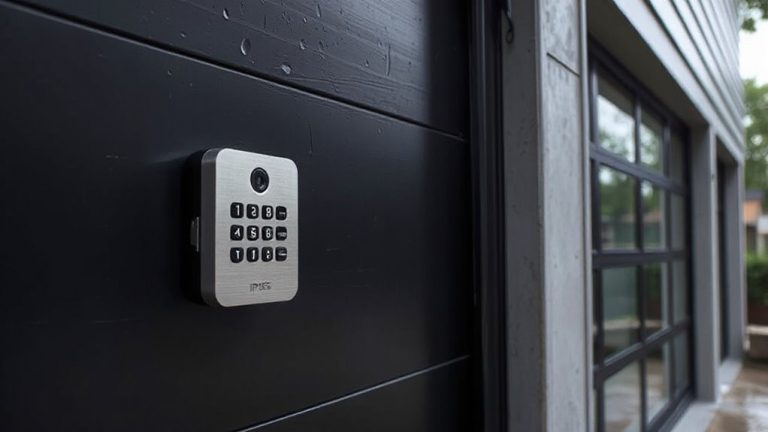
Smart alert systems help you respond quickly when a child nears an exit, but securing those entry points without causing distress is just as important. Child friendly locks offer reliable security while allowing adults easy access, without confusing mechanisms that could overwhelm your child. Look for models with simple sliding bolts or magnetic key systems placed out of reach. These are effective and less likely to trigger frustration. Pair them with Anxiety reducing routines, like consistent verbal cues or visual schedules before door use, to build familiarity and lower stress. Avoid loud alarms or complex procedures at exits, as these can increase fear. Test lock placement during calm moments to guarantee your child doesn’t feel trapped. Most systems cost $20–$60 and require minimal installation. With thoughtful setup, you maintain safety while supporting emotional well-being. Consider using a best hide-a-key option to ensure backup access is secure yet accessible for caregivers.
Add Calming Visual Alarms and Tactile Signals
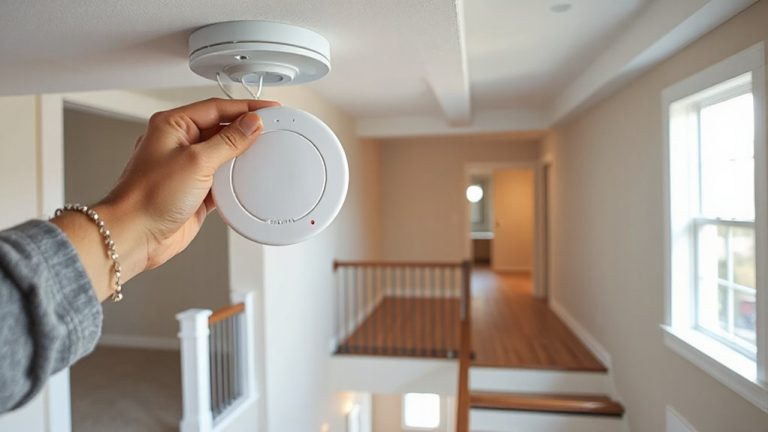
How do you alert a child with sensory sensitivities without causing panic? Traditional alarms with loud sounds can overwhelm, but you can use calming visual alarms and tactile signals instead. Install color lighting systems that shift to a specific hue during emergencies-like soft blue for fire or gentle yellow for intruders-giving clear, nonstartling cues. Pair this with vibration pads placed under a mattress or pillow, which silently alert nonverbal or deaf children through gentle pulsing. These systems work without relying on sound, reducing anxiety. Most kits cost $100–$250 and integrate with standard security setups. While color lighting helps children recognize threats visually, vibration pads guarantee physical sensation reaches those who may not notice lights. Combine both for redundancy. Test responses regularly. Choose models with adjustable intensity so you can tailor them to your child’s needs. Planning guarantees reliable, calm communication during crises. Some systems offer smart home integration, allowing seamless connection with the best smart home alarm systems for enhanced security.
Make Emergency Help Easy to Access
You’ve set up visual and tactile alerts to notify your child safely, but knowing when and how to respond matters just as much. Guarantee emergency help is within quick access by installing panic buttons in key areas like bedrooms, bathrooms, and play spaces. These devices let your child or caregiver summon help with a simple press, reducing response time during crises. Look for systems with wireless, waterproof buttons that link directly to mobile alerts or monitoring services. Some models integrate with smart home networks, offering real-time notifications. While hardwired options are reliable, wireless provides flexibility. Monthly monitoring can add $20–$50 to costs. Test buttons monthly and place them at reachable heights. Training your child to use them consistently improves effectiveness. Prioritize intuitive designs with large, distinct surfaces for easier activation. With quick access and dependable panic buttons, you’ll enhance safety efficiently.
Coordinate Safety Plans With Therapists and Helpers
While your home security setup plays a key role in protecting your child, coordinating with therapists and support helpers guarantees everyone involved understands the full safety plan. Family coordination secures consistent responses during emergencies, while professional collaboration enhances strategy with expert insights. Share access codes, evacuation routes, and behavioral cues with trusted team members-but only those essential to care.
| Element | Purpose |
|---|---|
| Emergency contacts | Speeds response when every second counts |
| Behavioral triggers | Helps prevent meltdowns linked to safety risks |
| Access permissions | Balances security with necessary support access |
Regular check-ins keep plans updated. Use encrypted apps to share updates securely. Clarify roles clearly-some helpers need full access, others limited info. This structured approach builds reliability without compromising privacy. You’re not just installing alarms-you’re creating a responsive care network grounded in trust and clear communication.
On a final note
You can make your home safer by addressing sensory, communication, and mobility needs. Use smart alerts to monitor wandering and secure exits with locks that are easy to use but anxiety-free. Visual and tactile alarms help non-verbal children respond. Install accessible emergency buttons and work with therapists to plan responses. These steps, backed by evidence, improve security when chosen wisely and installed correctly.