Evaluating the Efficacy of Personal Safety Products for Both Men and Women
You can’t rely on any single device to guarantee safety, but tools like loud alarms (120dB+), pepper spray, and strobe flashlights may help if used correctly under stress. Effectiveness depends on your awareness, timing, and escape plan. GPS trackers and smart wearables offer added help, though connectivity gaps and false alerts are real drawbacks. Combine reliable tools with real-world preparation-your best defense isn’t a gadget, it’s a practiced response. There’s more to weigh when matching options to your daily life and risks.
Notable Insights
- Effectiveness of personal safety tools depends on user training, situation, and ability to act under stress.
- Loud alarms and bright strobes can deter attackers and draw attention but don’t guarantee safety.
- Pepper spray is effective at close range but carries risks of misuse, fumbling, or legal consequences.
- GPS trackers and smart wearables aid emergency response but rely on connectivity and battery life.
- No single device ensures safety; combining tools with awareness, planning, and practice improves outcomes.
Do Personal Safety Tools Work in an Attack?
What if you could defend yourself during an attack with a tool designed for quick, reliable response? Many personal safety products aim to do just that, but effectiveness varies. Studies show that while tools like alarms or pepper spray can deter threats, their success often depends on your ability to use them under stress. There are also legal implications to take into account-using force, even in self-defense, could lead to civil or criminal liability depending on local laws. Beyond physical outcomes, these tools offer psychological effects: users often report feeling more confident and alert. However, overreliance may create a false sense of security. Choose tools with easy activation, low maintenance, and clear instructions. Prices range from $10–$50, making them affordable additions to your safety plan. Always pair them with awareness and preventive strategies for best results.
Which Safety Tools Actually Stop Threats?
A well-chosen safety tool can make the difference when seconds count. Personal alarms with loud decibel ratings-120dB or higher-startle attackers and draw attention, reducing risk in public blind spots. Evidence shows they work best when paired with awareness, as false alarms can dull response over time. Flashlights with strobe settings disorient aggressors and illuminate dark areas, offering tactical advantage. Pepper spray, if carried and used correctly, stops threats but requires close range, posing risk if fumbled. Devices with GPS tracking help emergency services respond faster, yet coverage gaps may create blind spots in rural areas. Smart wearables send silent alerts but occasionally trigger false alarms, stressing the need for reliable connectivity. Opt for tools with proven field performance, straightforward operation and low maintenance. Prioritize practice, placement and reliability over flashy features. Top-rated panic buttons combine loud alarms with emergency signaling, making best panic buttons a key category in personal safety toolkits.
Are Safety Gadgets Overhyped? Experts Weigh In
Could the latest personal safety gadgets really deliver when it matters most, or do they promise more than they perform? You’re not alone in wondering-experts point to a gap between perception versus reality. Marketing influence often highlights dramatic scenarios, making devices seem like foolproof solutions. In truth, many gadgets work only under specific conditions, like close range or clear line of sight. Some rely on smartphone connectivity, which can fail when you need it most. Studies show that while features like loud alarms or GPS tracking help, they don’t guarantee safety. Pros include ease of use and peace of mind, but cons involve false confidence and inconsistent performance. Experts recommend pairing gadgets with situational awareness and safety planning. Don’t overlook cost, either-prices range from $15 to over $100, with minimal evidence pricier models perform better. One effective option highlighted in reviews is the best personal safety alarms, which combine high-decibel sound with portable design for accessible protection.
Real Stories: What Helped People Escape Danger
When danger strikes, real-world experience shows that a combination of quick thinking and reliable tools makes the difference, not just the device in your pocket. You’ve likely heard urban myths about safety-like screaming always scares off attackers or that pepper spray guarantees safety. Reality is more complex. Real stories reveal people who escaped stranger danger often used alarms to draw attention, then ran to public areas. Some triggered location sharing so others knew where they were. These weren’t fancy gadgets but simple, tested tools used with clear plans. Devices with loud sirens and bright strobes helped create escape windows. Many survivors emphasize awareness over gear: noticing something off early improved response time. Planning your route, trusting instincts, and using tools correctly matter more than technology alone. Evidence supports preparedness-those with practiced safety routines had better outcomes. You don’t need the most expensive product, just one that works when you do. For seniors, carrying a personal safety device can significantly improve response during emergencies.
Pick the Right Safety Tool for Your Life
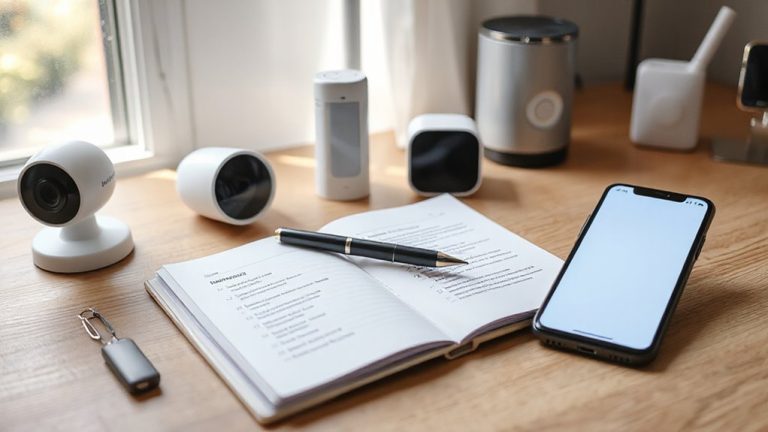
Why do some safety tools work better for certain people than others? Because your lifestyle, environment, and needs differ from everyone else’s. When picking the right tool, start by choosing convenience-something you’ll actually use matters more than high-tech features. A slim personal alarm fits in your pocket, while a door jammer stays at home; one might suit you, the other won’t. Equally important is evaluating reliability through real-world performance, not marketing claims. Look for products with tested response times and durable construction. GPS trackers with long battery life offer consistent updates, but only if the service stays active. Consider cost, ease of access, and setup time when comparing options. Match the tool to your daily routine. Data shows users who align safety gear with their habits report higher confidence and effectiveness. Make an informed, practical decision-your safety depends on it.
On a final note
You can rely on some personal safety tools, but not all. Evidence shows that loud alarms and bright lights often scare off attackers, while pepper spray works if used correctly. Devices with GPS tracking help police respond faster. However, no gadget guarantees safety-situational awareness and escape plans matter most. Choose tools that are easy to carry, quick to activate, and tested by reliable sources. Budget models work, but check reviews and features.