How Multi-Sensor Door Alarms Detect Forced Entry Before the Door Fully Opens
You can catch break-ins early with multi-sensor alarms that detect stress on the doorframe before it opens. These systems combine contact sensors for tiny misalignments, vibration detectors for kicks or prying, and motion sensors for lingering activity. Acoustic and infrared sensors spot glass breaks or sudden temperature shifts. Together, they confirm real threats and cut false alarms. Costs run $50–$150 more than basic models, but you gain faster, more reliable protection worth considering for high-risk entry points. There’s more to explore about optimizing each sensor’s role.
Notable Insights
- Multi-sensor alarms detect forced entry by identifying door deformation and frame stress before the door opens.
- Vibration sensors capture prying, kicking, or impact attempts that single contact sensors miss.
- Acoustic detectors recognize sounds like jimmied frames or breaking glass as early intrusion signs.
- Infrared sensors spot sudden temperature changes from air entering through forced gaps.
- Advanced contact sensors trigger on minor misalignments caused by door or frame manipulation.
Why Single-Sensor Alarms Fail to Stop Early Break-Ins
Why do so many break-ins happen despite having a door alarm? Because single-sensor alarms often miss early signs of forced entry. You’re probably relying on just one type of detection, like a magnetic contact sensor, which only triggers after the door opens. But these systems have sensor limitations - they can’t detect prying, jimmied frames, or slow pressure changes. Worse, they create a delayed response, giving intruders time to bypass the door before the alarm sounds. That delay means law enforcement or monitoring services may arrive too late. Multi-sensor alarms combine motion, pressure, and vibration detection to catch threats earlier. For around $50–$150 more, you gain faster alerts and better coverage. Consider upgrading if you want real-time detection. Basic models are affordable, but limited. Investing in layered sensors improves home security measurably, reducing false alarms and response gaps.
How Forced Entry Starts Before the Door Opens
While the alarm on your front door might seem like solid protection, forced entry often begins long before the door swings open. You might not notice it, but intruders apply pressure that causes door deformation and frame stress seconds before breaking in. This force warps the door’s shape slightly and strains the frame, even if the door doesn’t budge visibly. Standard sensors won’t catch this early tampering since they only trigger when the door opens. But these subtle changes are telltale signs of an active breach attempt. Studies show measurable structural shifts occur under forced entry pressure, making early detection possible. By monitoring for physical distortion, advanced systems identify threats in progress, not just after entry. Recognizing door deformation and frame stress lets you respond before the intruder gets inside. That split-second warning can make all the difference in home security response and prevention.
Multi-Sensor Alarm Components and What They Detect
When it comes to detecting break-in attempts early, multi-sensor alarms combine several types of detectors to monitor more than just door position. You get protection from forced entry by tracking temperature changes and sound anomalies near the door. If someone tries to pry or strike the frame, the sensors pick up sudden shifts in heat or noise, triggering an alert before the door opens. These alarms often include acoustic detectors that recognize the distinct sound of impact or glass breaking. Infrared sensors also detect rapid temperature changes caused by outside air rushing in during an attack. Together, they reduce false alarms by confirming threats through multiple signals. You benefit from faster response times and more accurate detection. While slightly more expensive than basic sensors, the added layers improve reliability. Make sure your system allows sensitivity adjustments so you can balance security with everyday activity. Top models in the best motion sensor alarms category integrate these advanced features for maximum home security.
Contact Sensors: Monitoring Door Frame Movement
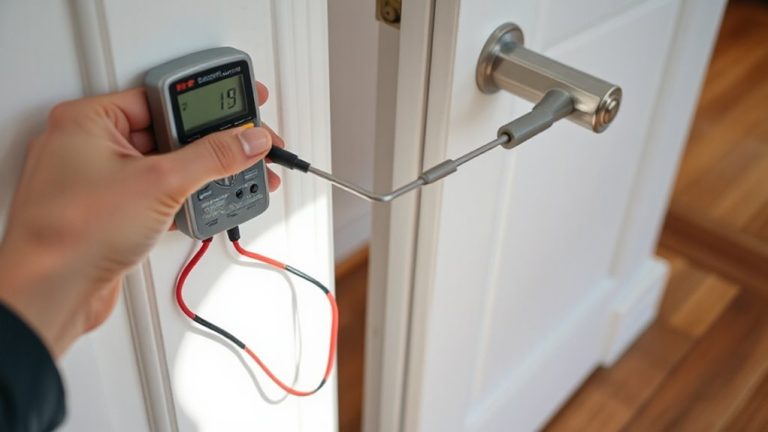
A solid first line of defense starts with contact sensors, small but essential devices that monitor door frame movement to catch intrusion attempts early. You install one part on the door and the other on the frame, creating a circuit that breaks if the door opens. But advanced models go further-they detect subtle changes in door alignment and even minor frame distortion caused by prying or shifting. When forced entry begins, the sensor picks up misalignment before the door fully opens, triggering the alarm faster. These sensors work best when installed precisely, as poor placement can reduce accuracy. They’re affordable, typically $10–$25 per unit, and integrate easily with most systems. While they won’t catch all attack types on their own, they’re a reliable baseline. Pair them with other sensors for full coverage, but start here-proper monitoring of door frame movement is foundational. For broader protection, consider pairing contact sensors with best motion detectors to enhance overall security coverage.
Vibration Sensors: Detecting Kicks and Prying Attempts
Sudden force applied to a door-whether a kick, shoulder hit, or crowbar pry-gives off vibrations that basic contact sensors might miss, but vibration sensors are built to catch exactly that. You can rely on them to detect subtle shifts in movement patterns others overlook. With proper sensor calibration, they distinguish everyday bumps from real threats, reducing false alarms. Impact analysis helps the system assess the intensity and duration of force, so only suspicious activity triggers alerts. These sensors work well on wood, metal, and glass doors, making them versatile for most homes. While they’re more sensitive than contact sensors, environmental vibrations like heavy footfalls might require fine-tuning. Installation is simple, often adhesive-based, and they integrate seamlessly with smart alarms. Expect to pay slightly more than basic models, but the added detection layer is worth it.
Motion Sensors: Catching Suspicious Behavior at Entry Points
How often do you think about what happens near your doors when no one’s looking? Motion sensors act as silent watchers, using motion detection to identify movement in critical zones. They don’t just respond to open doors-they monitor activity before entry occurs. Many modern systems use behavior analysis to distinguish between a passing animal and someone hesitating or lingering near your door. This helps reduce false alarms while catching suspicious behavior early. You’ll want sensors with adjustable sensitivity and a clear detection range, typically 20 to 30 feet. Placement matters: install them at entry points, but avoid pointing toward heat sources. While motion sensors can’t verify intent on their own, combined with other sensors, they strengthen your early warning system. Look for models that integrate easily with your alarm hub and offer pet immunity if needed. For seamless automation, consider Home Assistant-compatible sensors that support advanced customization and integration with other smart home devices.
How to Choose a Multi-Sensor Alarm for Instant Alerts
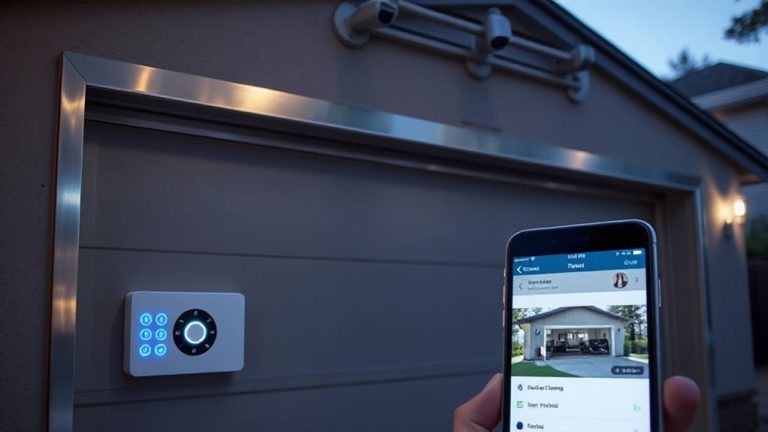
Why wait for a break-in when you can get ahead of it? Choosing the right multi-sensor alarm means focusing on devices that combine entry, motion, and environmental detection. You’ll want accurate sensor calibration to reduce false alarms caused by pets or temperature shifts. Look for models with adjustable sensitivity and dual-trigger logic, so alerts only fire when multiple sensors activate. Bluetooth or Wi-Fi connectivity lets you get instant notifications on your phone. Check user reviews for reliability-some systems cost more upfront but save money by avoiding unnecessary dispatch fees. A good unit should cost between $50 and $150, depending on features. Avoid cheap models with poor calibration, as they trigger false alarms. Invest in one that’s easy to install and supports regular maintenance checks. That way, you stay alerted only when it matters.
On a final note
You get faster protection by choosing a multi-sensor alarm that detects forced entry before the door fully opens. These systems combine contact, vibration, and motion sensors to catch early signs like prying or kicking. Data shows they reduce false alarms and improve response time. Look for models with adjustable sensitivity, wireless setup, and mobile alerts. While pricier than single-sensor alarms, their accuracy and early warning make them a reliable, cost-effective choice for home security.