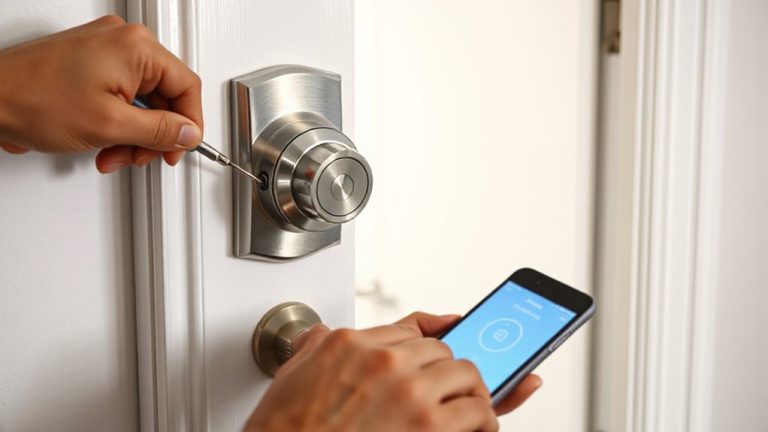
Smart Garage Door Controllers: Remote Access and Security Features
You can control your garage door remotely with a smart controller, checking its status or closing it via app anytime. These devices use Wi-Fi and strong encryption like AES to secure data, while two-factor authentication adds extra protection. Most work with Alexa and Google Assistant for voice commands, and send alerts if the door opens unexpectedly or won’t close. Priced $30–$100, they install easily on existing openers, and knowing what features matter most helps you choose wisely.
Notable Insights
- Smart garage door controllers enable remote operation via smartphone apps, allowing users to open or close the door from anywhere.
- Real-time status monitoring and remote closing provide peace of mind if the door is accidentally left open.
- Advanced encryption (TLS, AES) secures communication, protecting against unauthorized access and signal interception.
- Two-factor authentication adds a security layer, requiring a password and secondary code for app access.
- Voice control integration with Alexa and Google Assistant allows hands-free operation and smart home automation.
What Is a Smart Garage Door Controller?
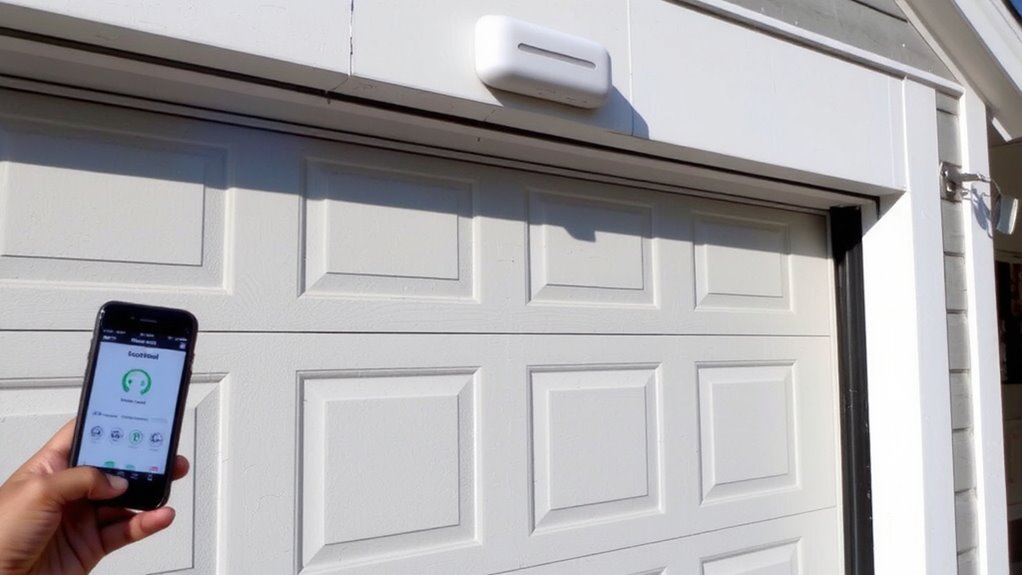
A smart garage door controller is a modern device that lets you open, close, and monitor your garage door remotely using a smartphone, tablet, or voice assistant. You install it with your existing garage door opener, enabling garage automation without replacing the entire system. Most models offer strong device compatibility, working with iOS, Android, Amazon Alexa, Google Assistant, and Apple HomeKit. That means you can control access using apps or voice commands. These controllers typically connect via Wi-Fi and use encryption to help protect against unauthorized access. Setup usually takes under 30 minutes, though some users may need professional help. Prices range from $40 to $100, not including possible subscription fees for extra features. When choosing one, verify compatibility with your current opener and home network for best results. For reliable options, check out the top smart garage door openers based on expert testing and user reviews.
How Remote Access Gives You Peace of Mind
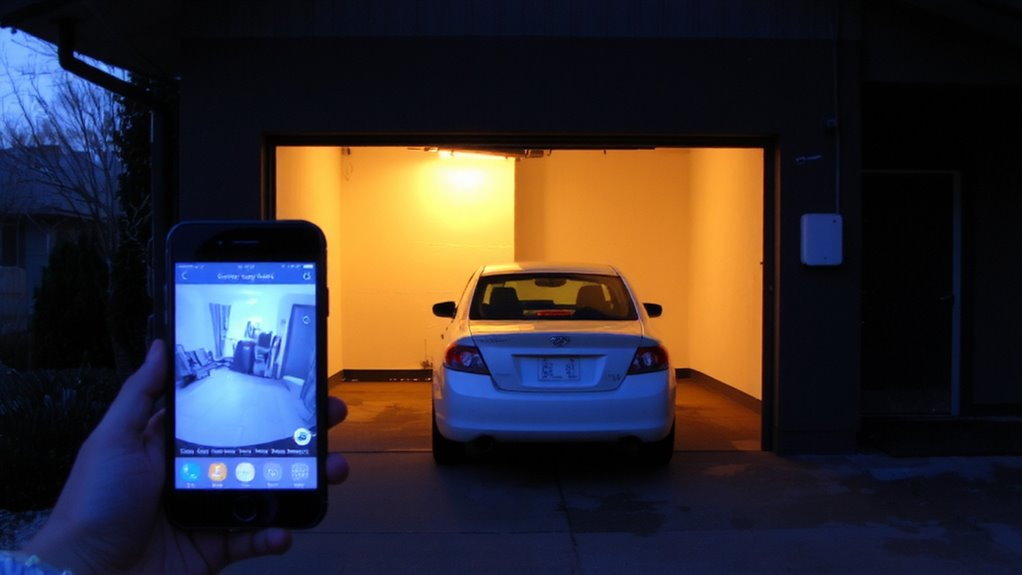
You can check and control your garage door from anywhere using your smartphone or voice assistant, and that simple ability makes a real difference in daily peace of mind. Real time monitoring lets you see the door’s status instantly, so you’ll know if it’s open or closed even when you’re miles away. Forgot to shut it before leaving for work? You can close it with a tap. Some systems even send alerts if the door opens unexpectedly. Remote troubleshooting helps you resolve issues without being onsite-for example, resetting a stuck motor or identifying connectivity problems through the app. Most smart controllers work with Wi-Fi and major platforms like Alexa or Google Assistant. They typically cost $30–$80, not including installation. While convenient, they rely on your home network, so a stable connection is essential. Top models offer advanced integration with automatic garage door openers for seamless smart home compatibility.
How Encryption and Two-Factor Authentication Keep You Safe
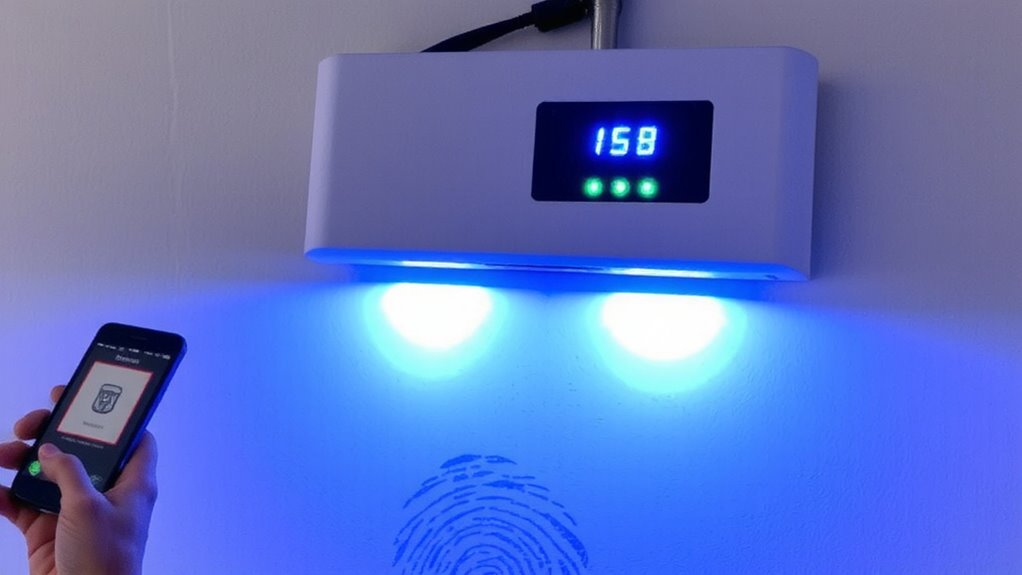
While smart garage door controllers offer convenience, they also introduce security risks if not properly protected, which is why encryption and two-factor authentication are essential. Data encryption secures your commands and personal info stay private by converting them into unreadable code during transmission. Without it, hackers could intercept signals and gain access. Two-factor authentication adds a second layer, requiring not just your password but also a code from your phone or app. This secure authentication greatly reduces the chance of unauthorized entry. Most modern systems use strong encryption protocols like TLS or AES. Look for models that highlight these features in their specs. Some may cost a bit more, but the added protection is worth it. A small upfront investment can prevent costly breaches. Always enable both data encryption and secure authentication to keep your home safe.
Control Your Garage With Alexa and Google Assistant
Smart garage door controllers don’t just keep your home secure-they also fit seamlessly into your smart home ecosystem, especially when paired with voice assistants like Alexa and Google Assistant. You can use voice commands to open or close your garage without lifting a finger, which is helpful when your hands are full. Just say, “Hey Google, close the garage door,” and it responds instantly. These controllers also work with smart routines, so your garage can close automatically when you activate “Goodnight” mode or open when you arrive home. Most models support both Alexa and Google Assistant, ensuring compatibility no matter your preference. Setup is simple and requires only the corresponding app and account. While response times are reliable, internet stability can affect performance. Using voice controls adds convenience but shouldn’t replace solid security habits. Always verify the door’s status in the app if you’re unsure.
Must-Have Safety Alerts in Smart Garage Controllers
What if your garage door could alert you before a security breach occurs? With smart controllers, that’s possible. You’ll get instant notifications if motion detection senses movement when the garage should be quiet. This feature helps identify unauthorized entries early. Door jam alerts are just as critical-they notify you if the door doesn’t close fully due to an obstruction, preventing accidental openings. These alerts reduce risks of theft or weather damage. Most systems send updates straight to your phone, so you stay informed even when you’re away. Reliable models use encrypted connections to protect data. While some basic units lack advanced alerts, investing in one with both motion detection and door jam alerts improves home security. Make sure the system integrates with your existing setup. For around $50–$120, these features offer measurable peace of mind. Top models also include best garage door alarm sensors for enhanced intrusion detection and reliability.
How to Pick the Best Smart Garage Controller
How do you make sure the smart garage controller you choose fits both your home and your habits? Consider garage aesthetics, app compatibility, and controller durability when comparing models. A sleek, discreet design blends better with modern homes, while rugged construction guarantees long-term function. Review user feedback and build materials to assess reliability across seasons.
| Feature | Importance | Notes |
|---|---|---|
| App Compatibility | High | Works with iOS, Android, or home automation |
| Garage Aesthetics | Medium | Design should match your garage’s look |
| Controller Durability | High | Look for weather-resistant materials |
| Voice Control | Medium | Supports Alexa, Google Assistant |
| Security Encryption | High | Guarantees data and access protection |
Choose based on daily use, climate, and integration needs for best results.
Installation: What You Need to Know
Getting your smart garage controller up and running doesn’t have to be complicated, but it does require some preparation. First, check wiring compatibility-most systems work with standard openers, but older models might need adapters. Always turn off power before handling wires. Your mounting position matters, too: install the device near the opener motor, where the sensor can detect door movement clearly, but away from vibrations that could affect performance. Follow the manufacturer’s guidelines for height and alignment to guarantee reliable operation. You’ll likely need basic tools like a drill and screwdriver. Wi-Fi setup comes after physical installation, so guarantee your router’s signal reaches the garage. Some models offer professional installation for around $50–$100, which can help avoid errors. Double-check connections and test the system before relying on remote access. Planning now saves issues later.
On a final note
You now have the tools to choose a smart garage door controller that fits your needs. Look for strong encryption and two-factor authentication to protect access. Remote control via apps and voice assistants adds convenience, while safety alerts keep you informed. Installation is usually straightforward, but check compatibility first. Balance features with budget, and pick a model with solid reviews and reliable customer support for long-term performance and security.