Protecting Your Home’s Energy Consumption Data From Potential Cyber Threats
Hackers target your energy data because it reveals when you’re home, asleep, or away, letting them map your daily life. Smart meters track usage in real time, capturing appliance patterns that expose routines. Secure your network with a strong WPA3 router, unique passwords, and regular firmware updates. Choose devices that encrypt data and store it locally. Limit utility data sharing by reviewing privacy settings and opting out when possible-more steps can keep your household even safer.
Notable Insights
- Secure your home network with a strong password and WPA3 encryption to prevent unauthorized access to energy data.
- Change default router and smart meter login credentials to unique, complex passwords to reduce hacking risks.
- Regularly update firmware on smart meters and connected devices to patch security vulnerabilities.
- Choose energy devices that encrypt data and allow local storage instead of cloud-sharing by default.
- Review your utility’s privacy settings and opt out of third-party data sharing when possible.
Why Do Hackers Target Your Energy Usage Data?
Why would anyone care about your electricity usage patterns? Because they reveal far more than you think. Hackers use your energy data for data profiling and behavioral tracking, identifying when you’re home, asleep, or away. This info helps them target break-ins or sell your habits to third parties. Smart meters collect granular usage details, creating a timeline of your daily life. Cybercriminals exploit weak security in home networks to access this data. While most attacks aim at large-scale infrastructure, individual records are still valuable. Protecting your data means enabling encryption, updating firmware, and using firewalls. Some energy providers offer privacy settings-use them. Costs for enhanced security are low, often free, but setup may require technical effort. Planning ahead reduces risks. Always check your provider’s data policies.
How Can Smart Meters Expose Your Daily Routine?
How much can a simple spike in electricity use reveal about your life? More than you think. Smart meters track your energy use in real time, capturing detailed data patterns that reflect your daily habits. When you wake up, brew coffee, or turn on lights, each action creates a unique energy signature. Over time, these patterns can show when you’re home, asleep, or away. Hackers or data firms could infer your routine-like morning showers or late-night TV binges-just from energy fluctuations. Even without accessing personal details, consistent data patterns offer a surprisingly clear picture of your lifestyle. That’s why understanding how your smart meter collects and shares usage data matters. You don’t need to ditch the device, but recognizing its visibility helps you make informed choices about privacy, utility settings, and data sharing agreements. Awareness is your first line of defense.
Lock Down Your Home Network in 4 Steps
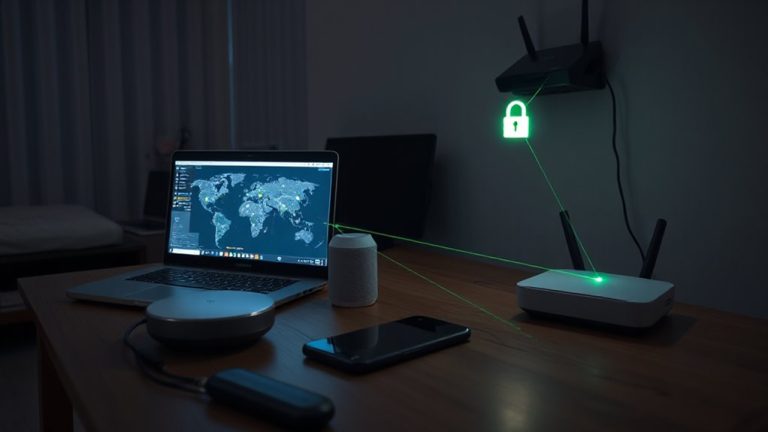
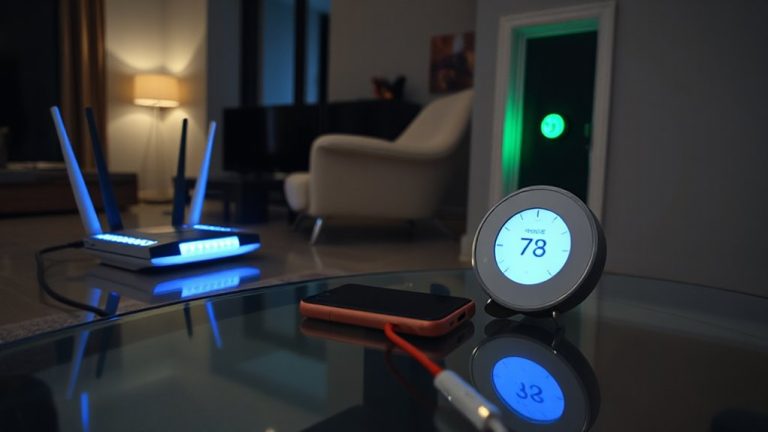
Your smart meter isn’t the only part of your home energy setup that needs protection-how it connects to your network matters just as much. Start by using a secure router with strong encryption, like WPA3, to guard data traveling between devices. Change the default login credentials to something unique and complex. Next, update firmware regularly; manufacturers release patches to fix security flaws, and skipping updates leaves your network vulnerable. Enable the firewall and disable remote management unless absolutely needed. Finally, create a separate guest network for visitors, so your main devices stay isolated. These steps reduce unauthorized access risks and help keep your energy usage data private. A few minutes spent securing your network now can prevent potential breaches later. Smart habits today mean better protection tomorrow.
Choose Devices With Built-In Privacy Protections
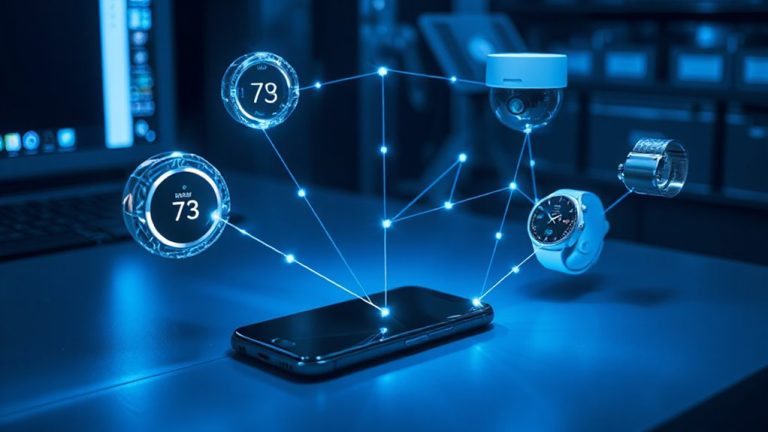
A growing number of smart home devices now come with privacy features built in, and choosing the right ones can make a meaningful difference in protecting your energy data. Look for models that support data encryption and device authentication to guarantee only trusted devices access your network. These features help prevent unauthorized access and keep your usage patterns private. To help you evaluate options, consider the following:
| Feature | Yes (Recommended) | No (Avoid) |
|---|---|---|
| Data encryption | Protects information in transit | Leaves data exposed |
| Device authentication | Confirms device identity | Allows unknown devices |
| Local data storage | Keeps data in your home | Sends data to cloud servers |
| Regular firmware updates | Patches security flaws | Increases vulnerability |
| Privacy controls | Lets you manage sharing | Limits user control |
Pick devices with strong built-in protections-you’ll save time and reduce risk over the long term.
Control How Your Utility Shares Your Data
What if you could decide who sees your energy usage data and for what purpose? You can-by asserting your data ownership rights and using consent management tools your utility may offer. Many utilities share your data with third parties like marketers or contractors, but often you can opt out. Check your utility’s privacy policy and adjust settings through their online portal. Some states require utilities to get your explicit consent before sharing, giving you stronger control. Enabling two-factor authentication on your account adds security. While opting out may limit personalized energy-saving tips, it greatly reduces privacy risks. Consider the trade-offs: convenience versus control. Regularly review sharing preferences, especially after service changes. Taking these steps guarantees your data isn’t used without your knowledge, keeping your household’s energy habits private and secure.
On a final note
You can protect your energy data by securing your home network and choosing smart devices with strong privacy features. Smart meters may reveal your daily habits, so enable encryption and update firmware regularly. Check your utility’s data-sharing policies and adjust settings to limit access. These steps reduce cyber risks, keep your routines private, and give you control over who sees your information. Stay proactive and informed.