The Importance of Regular Maintenance Checks on Home Surveillance Equipment
You should check your home surveillance equipment regularly to prevent failures and keep it running smoothly. Dust, weather, and worn cables can degrade video quality or cause outages. Cleaning lenses, testing power and connections, and updating firmware boost reliability. Routine checks every 3 to 6 months help catch issues early, while surge protectors and secure wiring increase longevity. Well-maintained systems last up to 10 years. Smart planning now saves money and strengthens security over time-there’s more to optimize.
Notable Insights
- Regular maintenance prevents system failures by addressing issues like dirt, weather damage, and power problems early.
- Clean lenses and proper camera alignment ensure clear footage and accurate nighttime detection.
- Inspecting wiring and connections reduces risks of damage, interference, and power disruptions.
- Updating firmware and testing backup power improves reliability and protects against security gaps.
- Routine checks extend system lifespan and save costs by avoiding premature replacements or repairs.
Why Home Security Camera Maintenance Prevents Failures
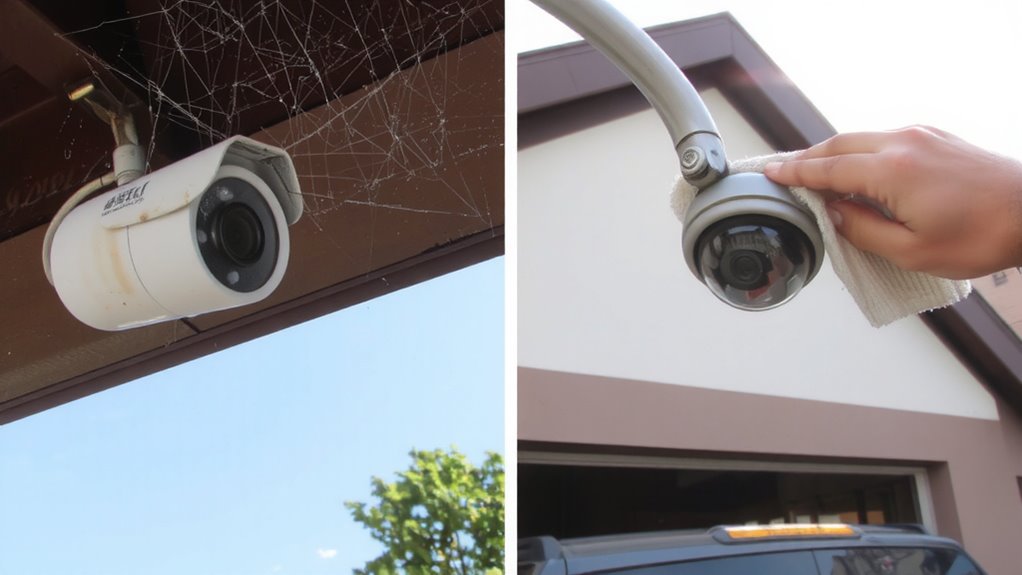
While it might seem minor, keeping up with regular maintenance of your home security cameras can substantially reduce the chances of unexpected failures. You’ll prevent issues like image degradation, which occurs when dust, dirt, or weather elements blur your lens over time, compromising video clarity. Without cleaning and inspection, you might miss critical details during an incident. Power failures are another common risk-faulty wiring, worn cables, or overloaded circuits can cut your system offline without warning. By routinely checking connections and testing backup power sources, you guarantee continuous operation. Firmware updates and battery replacements also improve reliability. These small efforts extend your equipment’s lifespan and maintain performance. Though maintenance takes time, it’s far less costly than replacing damaged systems or facing security gaps. Consistent, simple checks keep your surveillance effective, reliable, and ready when you need it most.
Fix These Common Camera Problems Before They Happen
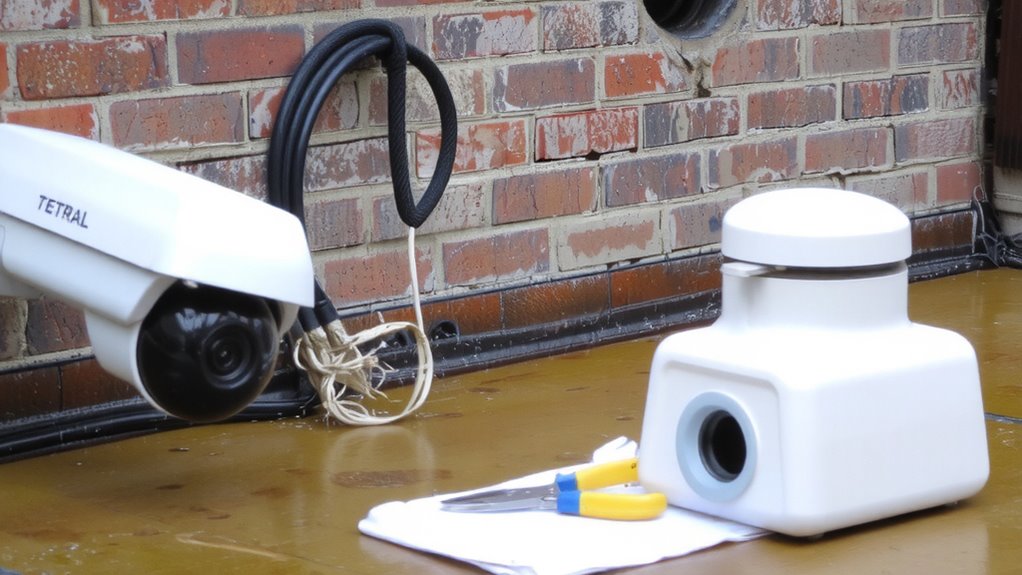
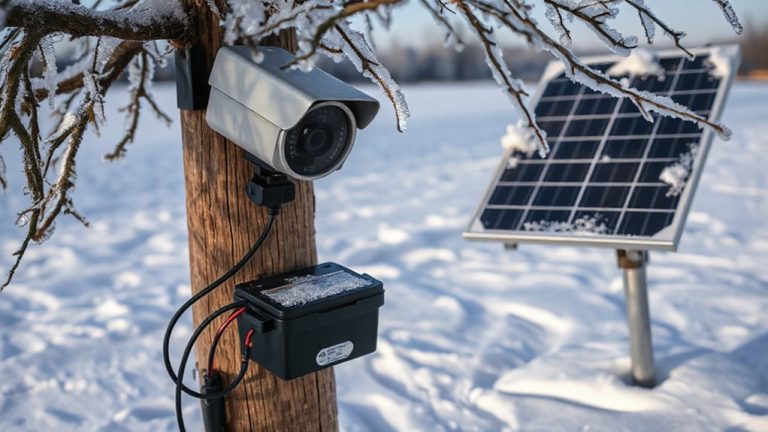
Because many camera issues stem from predictable causes, you can stop most problems before they affect your system’s performance. Poor camera calibration often leads to blurry footage or blind spots, so check alignment every few months to guarantee full coverage. Misaligned or dirty lenses reduce detection accuracy, especially at night. You should also prioritize cable management-tangled or exposed wires are prone to damage and signal interference. Secure cables with clips and use weatherproof conduits outdoors to prevent wear. Loose connections can disrupt power and data flow, so inspect them regularly. Properly labeled cables simplify troubleshooting and upgrades. Investing time in these steps now reduces downtime and repair costs later. A small effort in organization and calibration greatly extends your system’s reliability, guaranteeing consistent, clear monitoring without unexpected gaps in coverage.
Your Home Security Camera Maintenance Checklist
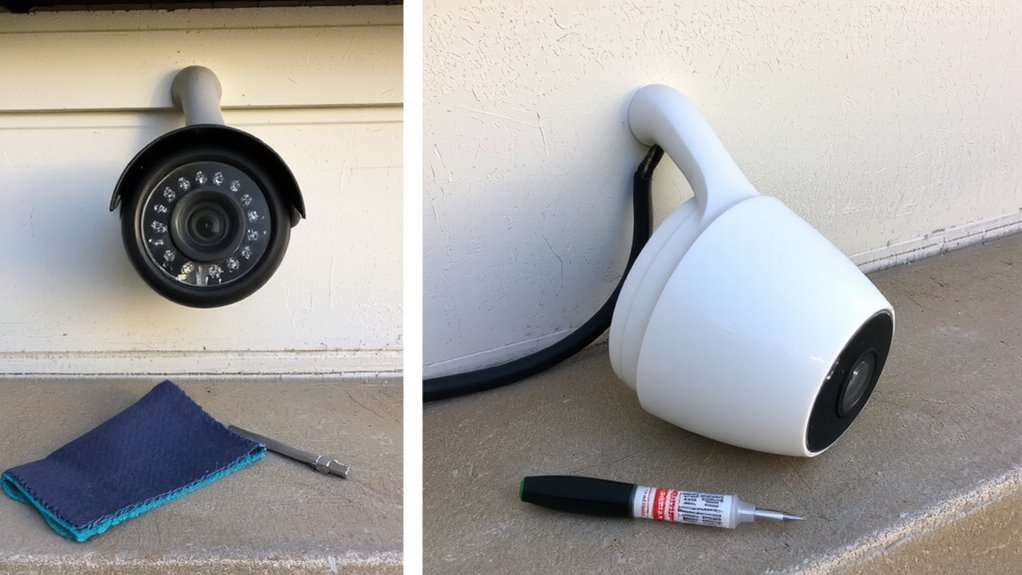
If you want your home security system to work reliably over time, sticking to a routine maintenance checklist is essential. Start by inspecting each camera’s placement to guarantee it still covers key entry points without obstructions like overgrown bushes or moved furniture. Poor camera placement reduces effectiveness, so adjust angles if needed. Check for weather resistance, especially on outdoor units-look for cracked casings, fogged lenses, or corrosion that could indicate water damage. Wipe lenses gently with a microfiber cloth to maintain clear video quality. Confirm power sources are stable and cables aren’t frayed. Test motion sensors and guarantee night vision works by reviewing footage in low light. Update firmware to patch vulnerabilities. Finally, verify that recordings save properly to your storage device. A few minutes of maintenance prevents failures when you need your system most.
How Often to Check Your Security System
Regularly checking your security system helps guarantee it performs effectively when needed most. Factors like weather exposure and power surges can degrade performance over time, so consistent inspections are essential. Choosing the right system from the start can also reduce long-term maintenance issues, and reviewing a trusted best security camera systems guide ensures you invest in reliable, durable equipment. Below is a guide to help you stay on track:
| Inspection Type | Frequency |
|---|---|
| Visual camera check | Every 3 months |
| System functionality | Every 6 months |
| Wiring and connections | Annually |
Inspect cameras for dirt, misalignment, or damage every three months, especially if exposed to harsh weather. Test motion sensors and recording functions twice a year to catch issues from power surges. Annually, examine wires and ports to verify connections remain secure and corrosion-free. These intervals balance practicality with reliability, minimizing failure risks without excessive effort. Staying proactive protects your investment and keeps your home safeguarded efficiently.
Extend Your Camera System’s Lifespan With Simple Care
A well-maintained camera system can last 5 to 10 years, depending on usage and environmental conditions-simple care routines greatly influence that range. You can extend your system’s lifespan by addressing weather exposure early; protective enclosures and routine seal checks prevent moisture and temperature damage. Clean camera lenses every few months to maintain clear image quality, especially for outdoor units. Proper cable management reduces wear, prevents tripping hazards, and minimizes connection failures-use weather-resistant conduits and secure loose wires. Avoid sharp bends in cables to prevent internal damage. Inspect connections annually for corrosion or fraying, replacing parts as needed. Power surges shorten system life, so use surge protectors. These small steps improve reliability, reduce repair costs, and maximize performance. Consistent maintenance guarantees your investment remains effective over time, keeping your home protected without unexpected replacements.
On a final note
You keep your home safe with regular camera checks, preventing issues before they start. Clean lenses, secure connections, and updated software guarantee clear recordings and reliable performance. Inspect every three to six months, or more often in extreme weather. Proper care boosts system life and cuts repair costs. A quick checklist helps you stay consistent. Simple maintenance now saves time, money, and worry later, keeping your home protected year-round.