The Psychological Aspects of Burglary: How Criminals Choose Their S
You’re more likely to be targeted if your home shows neglect-like unlit entrances, open blinds, or mail piling up-because burglars make quick, low-risk choices, often in under 60 seconds. They avoid homes with visible cameras, strong locks, or active neighbors. Motion-sensor lights and timed routines help deter break-ins by signaling occupancy. Familiar areas are riskier, as locals know routines. Simple, smart habits change outcomes-and knowing more about their mindset keeps you ahead.
Notable Insights
- Burglars target homes in under 60 seconds, focusing on signs of neglect rather than visible wealth.
- Unlit entrances, unlocked windows, and piled mail signal low risk and attract opportunistic break-ins.
- Overgrown yards and open blinds create perceptions of vacancy, increasing a home’s appeal to criminals.
- Familiarity with a neighborhood allows burglars to exploit routines and reduce their own detection risk.
- Visible security cameras, lights, and alarms deter burglars by increasing perceived risk of capture.
What Burglars Look For: The Psychology of Target Selection
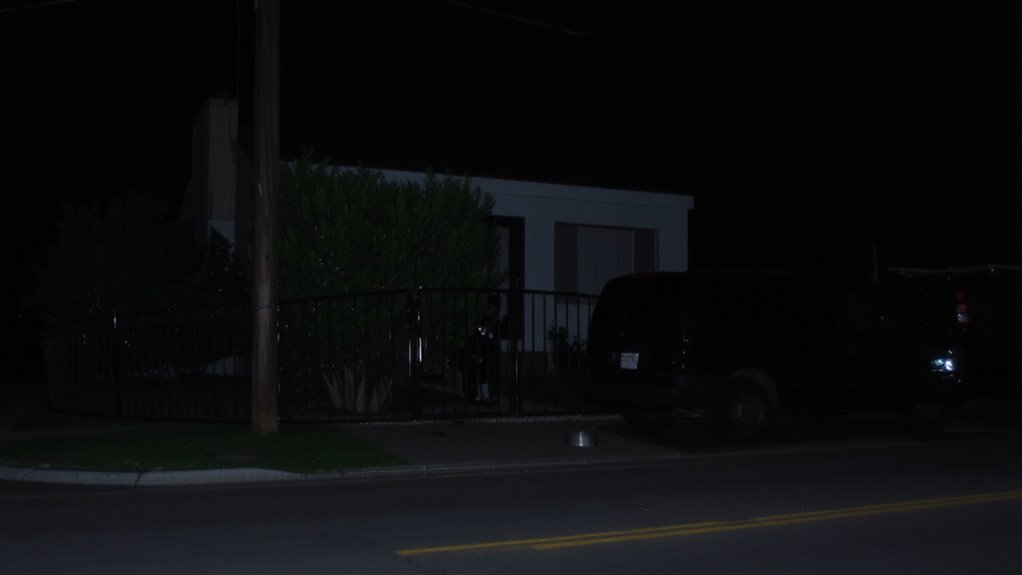
Opportunity drives burglary, and burglars aren’t looking for your valuables-they’re looking for signs you’re not paying attention. You become a target when your home shows poor risk assessment and weak opportunity recognition. Burglars scan for unlit entrances, unlocked windows, or mail piling up-small clues that suggest inattention. Studies show most intruders choose homes in under 60 seconds, relying on quick assessments of vulnerability. They avoid homes with visible security systems, strong locks, or active neighborhoods. Your best defense is consistent routine: set timers on lights, use sturdy deadbolts, and maintain clear sightlines around doors. These steps reduce opportunity and signal awareness. Simple habits lower risk markedly, without expensive gear. Awareness, not wealth, dictates target selection-so train yourself to spot weaknesses before they’re exploited. Upgrading to best security doors can significantly delay forced entry and deter opportunistic criminals.
Visible Signs Your Home Is at Risk
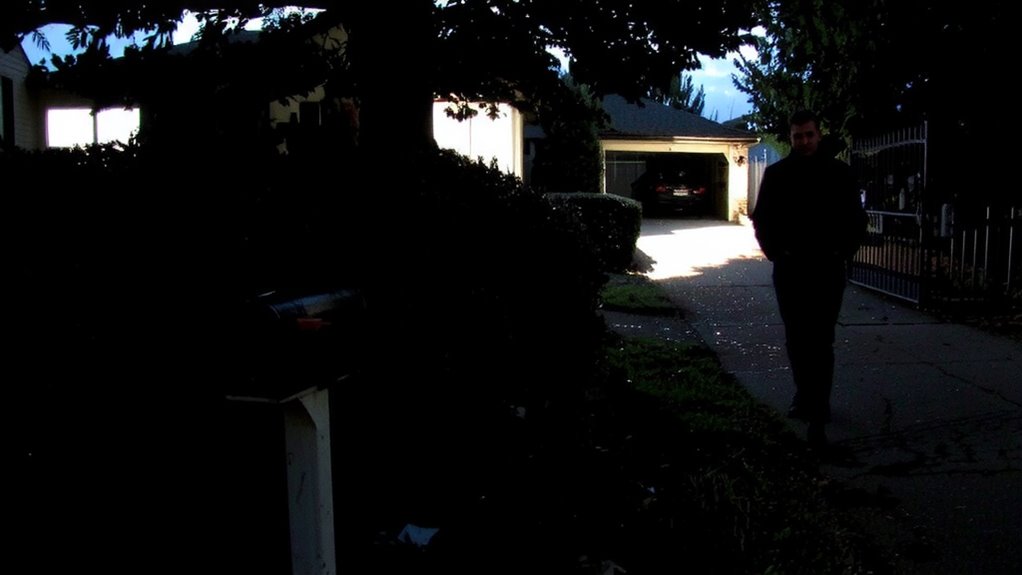
While some risks aren’t immediately obvious, certain visible cues can silently signal to burglars that your home might be an easy target. Unkempt lawns suggest neglect and possible vacancy, making your property more inviting to criminals looking for quick, low-risk opportunities. Overgrown grass, scattered trash, or uncollected mail build the impression that no one is paying attention. Open blinds are just as revealing- they let outsiders see valuable items like electronics or jewelry, giving clear evidence of reward. A burglar may quickly judge your home as vulnerable if they can easily spot laptops, gaming consoles, or cash. You might not realize how much these small details expose, but they’re often decisive in target selection. Fixing them is simple, inexpensive, and highly effective. Maintain your yard and close blinds to reduce visibility inside, especially in ground-floor rooms.
How Cameras and Lighting Prevent Break-Ins
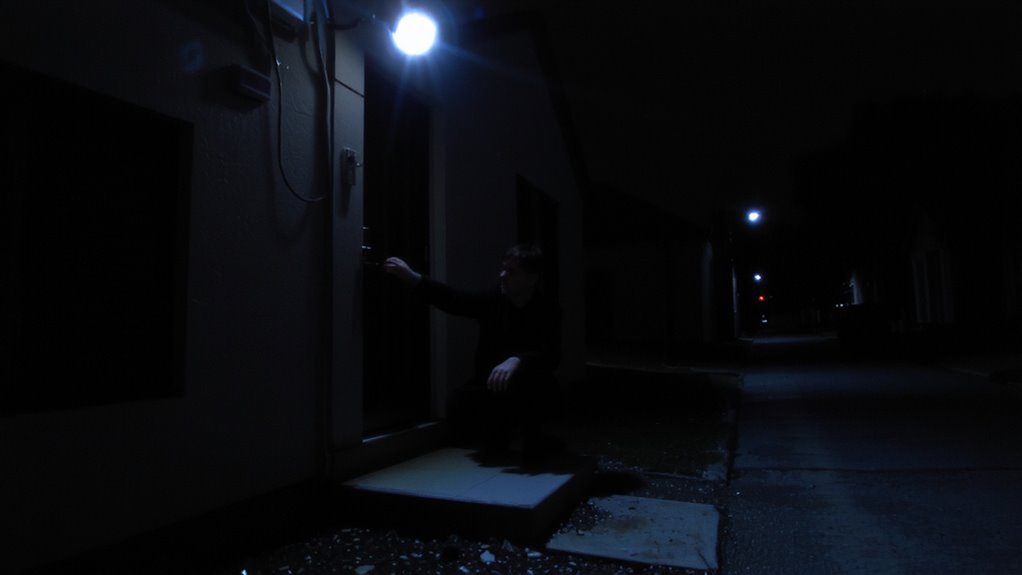
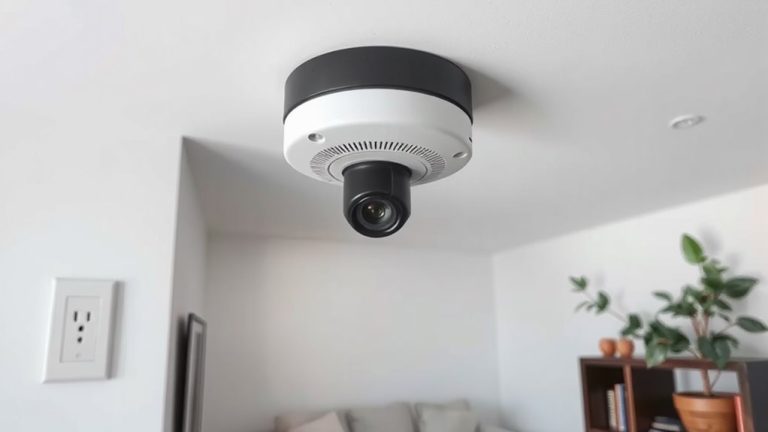
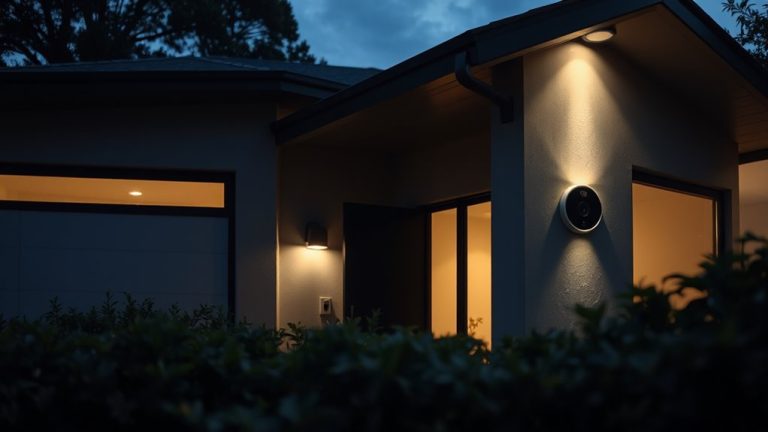
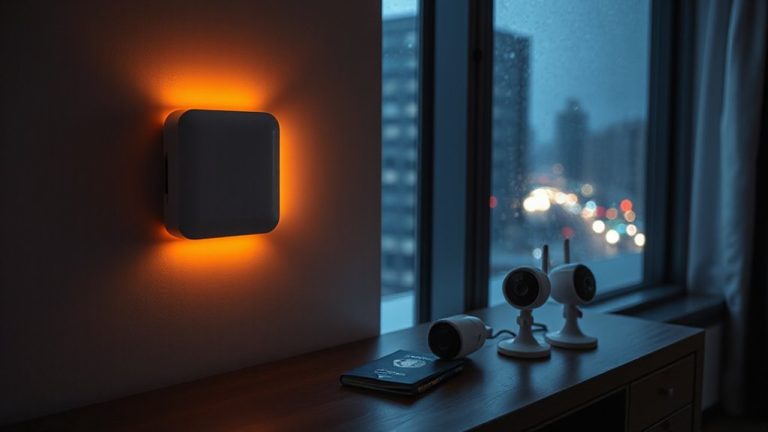
If you want to deter burglars effectively, installing security cameras and proper outdoor lighting is one of the most proven strategies, backed by studies showing homes without these features are up to three times more likely to be targeted. You should position cameras at entry points and pair them with motion sensors so they record only when activity occurs, saving storage and reducing false alerts. Outdoor lights with motion sensors make your home appear occupied and limit hiding spots. Most burglars avoid homes with visible cameras, alarms, or signs indicating alarm systems. While basic setups cost under $200, more integrated systems with professional monitoring range higher but offer added reliability. Make sure lights cover driveways, doors, and dark corners. You don’t need the most expensive gear-consistent lighting and the appearance of surveillance are what matter most. Top models from the best home security cameras list provide reliable performance and easy integration with smart home systems.
Why Familiar Neighborhoods Are More Dangerous
Why would a burglar feel more comfortable targeting your home if they already know the area? Because familiarity reduces risk for them. If you live in a neighborhood with social proximity-where people know each other casually-it’s easier for someone to blend in unnoticed. A former resident, delivery worker, or visitor might exploit that trust. They’ve seen your routine patterns over time: when you leave, when you return, which doors you use most. That knowledge makes breaking in quicker and safer for them. Research shows burglars often strike within a mile of their own homes, where they understand the layout, traffic flow, and local routines. You might not suspect someone who looks like they belong. To protect yourself, treat your familiar area with the same caution as a high-risk zone. Strengthen locks, use timers for lights, and guarantee neighbors communicate-turning social proximity into a defense, not a vulnerability.
Daily Habits That Signal You’re Not Home
Even small routines can give burglars the clues they need to know when your home is empty. Your daily schedule, like leaving for work at 8 a.m. every day, creates routine predictability that observant criminals notice. If you always retrieve the mail at noon or walk the dog at 7 p.m., a burglar might use those patterns to plan a break-in. Social media sharing makes it worse-you might not realize that posting “Beach week! 🌴” tells everyone your home is unoccupied. Even check-ins or geotagged photos can reveal your location. Criminals often scout homes over days, watching for signs of life. To protect yourself, vary your schedule when possible and avoid real-time updates. Delay posting vacation photos until you return. Simple changes reduce risk without major effort, keeping your home and belongings safer through better awareness and timing. Installing a best pet cameras system can also deter burglars by simulating occupancy through remote monitoring and two-way communication.
How Perception of Risk Stops Burglars Before They Start
While most burglars look for easy targets, your home’s perceived risk level often decides whether a criminal attempts a break-in or moves on. Signs of surveillance or occupancy trigger fear of capture and doubt of success, making intruders skip your house. Evidence shows that visible deterrents heavily influence criminal decisions before they act.
| Feature | Pros | Cons |
|---|---|---|
| Motion-sensor lights | High visibility at night | May need wiring |
| Security cameras | Deters, records | Upfront cost |
| Alarm systems | Alerts authorities | Monthly fees possible |
| Neighbor watch | Low cost, community-based | Requires coordination |
| Dog presence | Natural deterrent | Ongoing care needed |
Simple upgrades shift perception enough to spark doubt of success. Even the fear of capture from a barking dog or blinking light can stop burglars before they start. You don’t need perfect security-just enough to look like a harder target.
Outsmarting Criminals: Use Psychology to Stay Safe
You’ve already seen how visible deterrents like lights, cameras, and dogs influence a burglar’s decision by raising the perceived risk of getting caught. Now, use psychology to stay safe by applying fear tactics and social cues. Burglars avoid homes that seem occupied or watched. Leave lights on timers, open curtains slightly, and let mail pile up-small signs suggest someone’s home. Simple fear tactics, like a fake security sign or motion-activated lights, increase hesitation. Social cues matter too: homes near sidewalks with frequent foot traffic get targeted less. Neighbors who know each other create natural surveillance. Joining a neighborhood watch boosts this effect. Avoid posting travel plans online-criminals check social media. These strategies cost little but markedly reduce risk. Combine visible signs of occupancy, psychological deterrents, and community awareness. That’s how you outsmart criminals using smart, evidence-based choices.
On a final note
You can reduce burglary risk by understanding how criminals think. Most burglars avoid homes with visible security, like working lights and cameras. They target homes that seem unoccupied, especially in familiar neighborhoods. Simple habits, like leaving lights on or using timers, help. Evidence shows perception of risk deters break-ins more than actual defenses. Use this knowledge to plan low-cost, effective strategies that make your home less appealing.