Building a Community Response Network for Neighborhood Security Initiatives
You can build a community response network by mapping crime hotspots using police data and city tools, then targeting areas with poor lighting or abandoned buildings. Use Signal for secure alerts and consider sharing a $1,500 drone for power outage warnings. Recruit trusted neighbors, verify identities, and rotate leadership roles every six months to maintain fairness. Run quarterly emergency drills and distribute clear evacuation plans. Set roles like communicator and trainer to strengthen teamwork-there’s more to explore on making your plan effective long-term.
Notable Insights
- Map crime hotspots and infrastructure gaps to target high-risk areas for proactive security improvements.
- Use encrypted messaging apps like Signal for fast, reliable communication during emergencies.
- Recruit vetted volunteers with verified residency and background checks to ensure trust and accountability.
- Develop and practice a real-time emergency plan with evacuation routes and community shelters.
- Rotate leadership roles regularly to maintain engagement and distribute responsibilities across the network.
Map Your Neighborhood’s Safety Risks
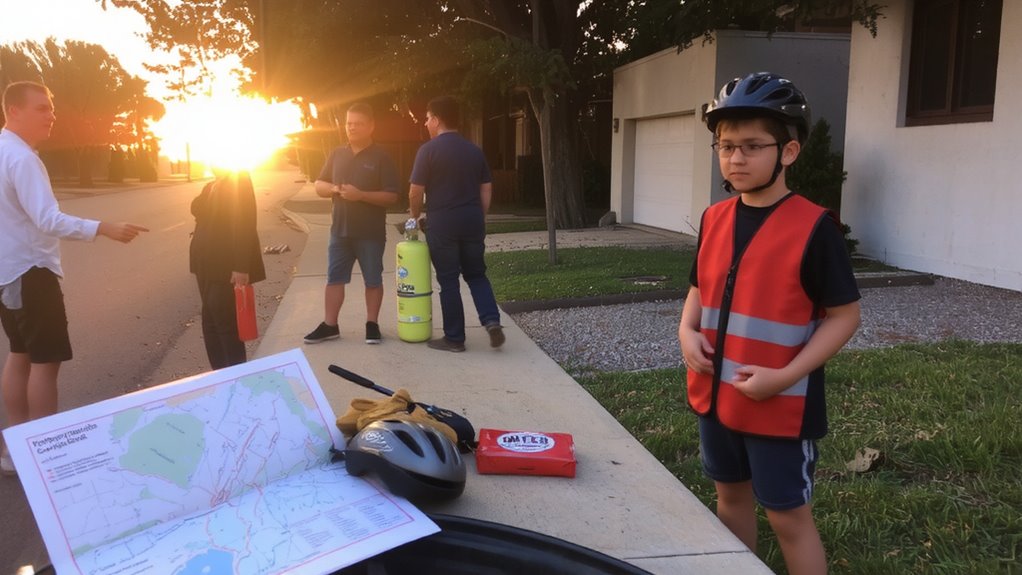
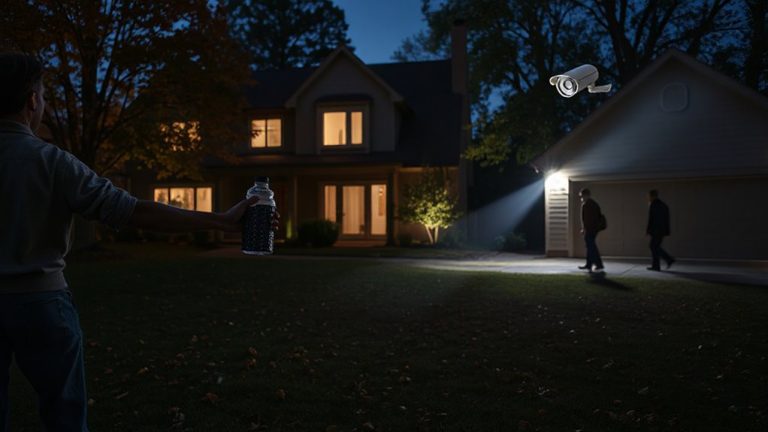
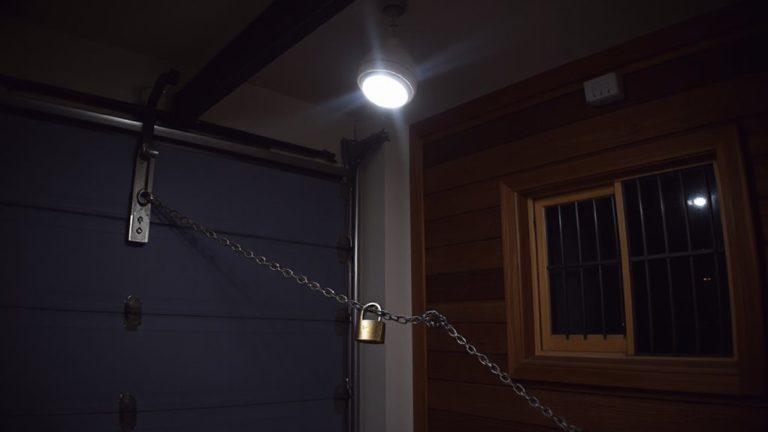
A clear picture of your neighborhood’s safety starts with knowing where risks are most likely to occur. You can identify crime hotspots by reviewing local police data, which often highlights areas with frequent incidents like theft or vandalism. These zones tend to cluster near poorly lit streets, abandoned buildings, or underused public spaces. Infrastructure gaps-such as broken streetlights, missing sidewalks, or limited surveillance-also contribute to vulnerability. Mapping these factors helps you understand where dangers are highest and where improvements matter most. Use free online tools or city planning resources to overlay crime data with infrastructure conditions. This approach gives you a factual basis for action, not guesswork. While gathering data takes time, the insight helps prioritize fixes like better lighting or neighborhood patrols. It’s a low-cost step with high potential to strengthen community safety. Installing durable security screens can further deter break-ins in vulnerable ground-floor units.
Pick the Best Tools for Fast Communication
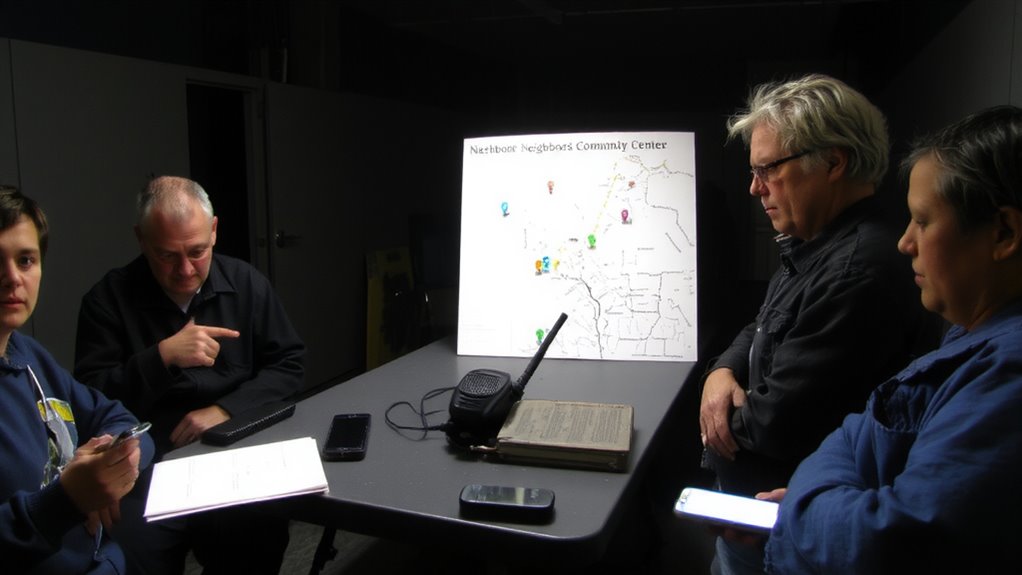
How do you guarantee everyone in your neighborhood gets critical safety updates right away? You need fast, reliable tools. Signal groups offer encrypted, instant messaging ideal for sharing real-time alerts without spam or delays. They’re free and easy to set up, though they depend on smartphone access. For broader reach, consider Drone alerts-some systems now use drones equipped with speakers or flashing lights to broadcast warnings across your area. These are especially useful during power outages or when people are outdoors. While drones can be costly, starting around $1,500, shared funding spreads the burden. Pair Signal groups for private coordination with Drone alerts for public notification. Test both monthly. Use them together, and you’ll cover more ground-digitally and physically-ensuring messages arrive quickly and clearly when it matters most.
Recruit and Vet Committed Neighbors
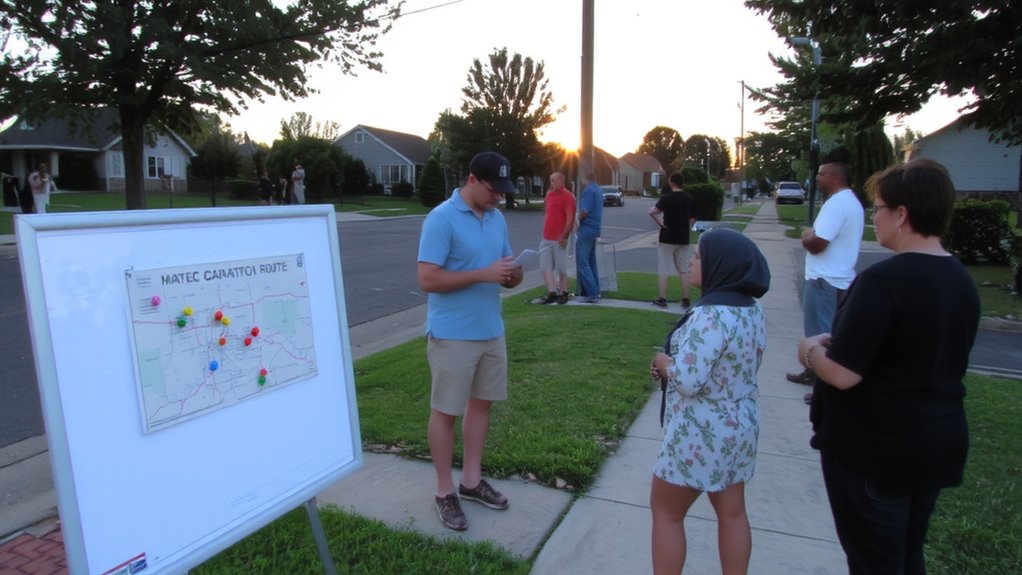
Trust is the foundation of any effective neighborhood security network, and choosing the right people to rely on makes all the difference. You must prioritize neighbor trust by carefully selecting individuals who are consistent, responsible, and known within the community. Start with volunteer screening to verify identities, confirm residency, and assess availability. Use simple background checks if permitted, and require references or endorsements from at least two existing members. Host a brief orientation to explain roles and expectations clearly. This process reduces risk and strengthens accountability. While screening takes time, the benefits-reliable communication and dependable support-far outweigh the effort. Avoid rushing; a smaller, vetted team is more effective than a large, untrained group. Document each step to guarantee fairness and consistency. Solid volunteer screening not only protects the group but also builds long-term neighbor trust, creating a safer, more connected block.
Make a Real-Time Emergency Plan
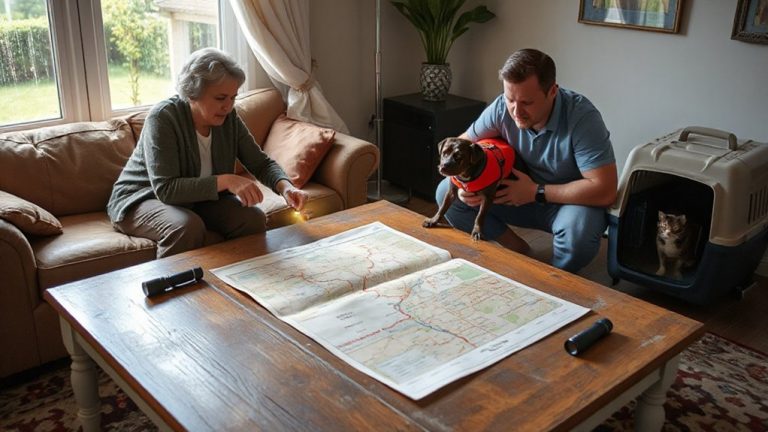
Once committed neighbors are in place, the focus shifts to preparing for unexpected incidents with a real-time emergency plan you can count on. You’ll need clear evacuation routes marked for quick access during fires, floods, or other threats. Map at least two routes from each home to safe gathering points, ensuring they avoid high-risk areas like downed power lines. Identify nearby emergency shelters, such as schools or community centers, and confirm their availability with local authorities. Share printed and digital copies of the plan with every household. Include contact lists, medical needs, and pet accommodations. Test the plan quarterly with brief drills. This preparation reduces confusion, speeds response times, and improves safety. Regular updates guarantee accuracy as conditions change. A well-structured plan is practical, low-cost, and essential for neighborhood resilience.
Sustain Momentum With Shared Leadership
While no single person can carry the full responsibility forever, keeping your neighborhood watch active depends on shared leadership that spreads effort and expertise across multiple residents. Rotating roles prevent burnout and build trust, guaranteeing everyone contributes and stays engaged. Skill sharing strengthens your team-someone might know first aid, while another excels at communication or event planning. Use this table to organize leadership tasks:
| Role | Responsibilities | Time Commitment |
|---|---|---|
| Coordinator | Organize meetings, lead check-ins | 3 hrs/month |
| Communicator | Share alerts, manage group chat | 2 hrs/month |
| Trainer | Lead skill-sharing sessions | 4 hrs/quarter |
Rotate these roles every six months to maintain fairness and involvement. Skill sharing boosts preparedness, while rotating roles increase accountability. This structured approach guarantees your network remains strong, inclusive, and effective over time-critical for long-term neighborhood security.
On a final note
You now have the tools to build an effective community response network. Map local risks, choose reliable communication methods, and involve trusted neighbors. A clear emergency plan guarantees quick action, while shared leadership keeps efforts strong over time. These steps, backed by real data and neighborhood input, improve safety without high costs. Stay consistent, review plans regularly, and focus on practical, proven strategies to protect your community.