Using Drones as Part of Your Comprehensive Outdoor Surveillance Plan
You can boost your outdoor surveillance by adding drones, which cover large areas faster than fixed cameras or sensors. Choose a weather-resistant model with thermal imaging, at least 30 minutes of flight time, and strong data encryption. Sync it with your existing security system for automatic alerts and live video streaming. Program regular flight paths along driveways or property lines, use thermal wraps in cold weather, and follow local drone laws to stay compliant. You’ll get faster threat detection and fewer blind spots-there’s more to optimizing your setup.
Notable Insights
- Drones enhance outdoor surveillance by covering large areas faster than fixed cameras or motion sensors.
- Choose weather-resistant, surveillance-specific drones with thermal imaging for reliable 24/7 threat detection.
- Integrate drones with existing security systems to enable automated alerts and real-time video streaming.
- Program autonomous flight paths for consistent monitoring of property boundaries and critical zones.
- Ensure compliance with drone regulations, including registration, privacy laws, and weather-safe operations.
How Drones Improve Outdoor Threat Detection
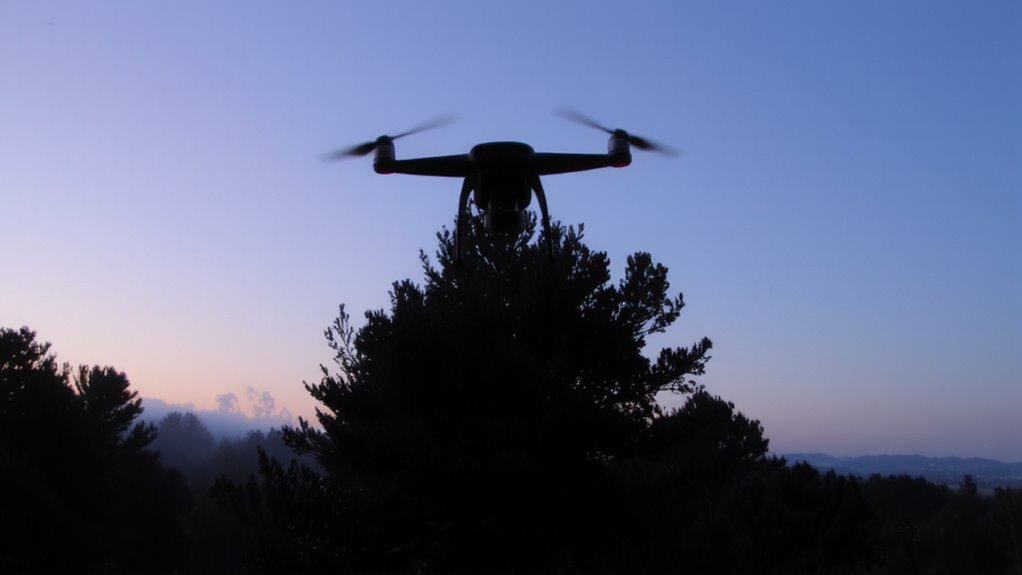
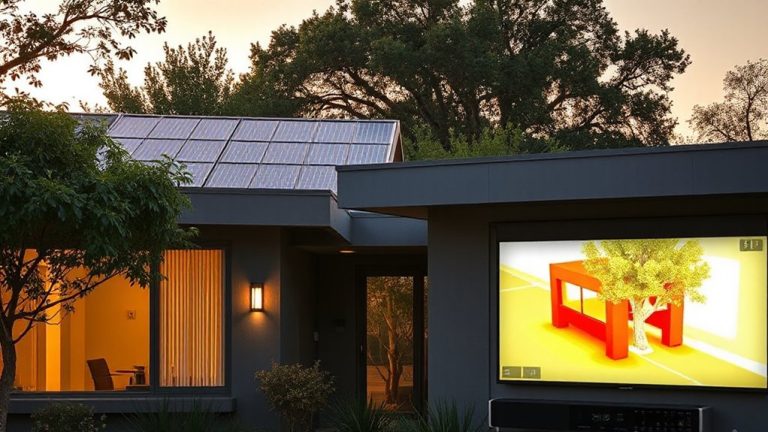
While traditional security systems rely on fixed cameras and motion sensors, drones offer a dynamic layer of outdoor threat detection by covering large areas more effectively. You can deploy them quickly to investigate alerts, reducing blind spots around your property. Equipped with thermal imaging, drones detect heat signatures, helping you spot intruders even in total darkness or dense foliage. This capability is especially useful during nighttime patrols when visibility is low. With motion tracking, the drone automatically follows moving targets, keeping them in frame for clearer identification. That means you get real-time video and data to assess potential threats accurately. Drones also provide an overview of hard-to-reach terrain, like backyards, wooded areas, or perimeter fences. While they require charging and maintenance, their mobility and advanced sensors add a reliable, proactive layer to outdoor surveillance. Plan for mid-range models offering both thermal imaging and motion tracking for best results.
Choose a Drone Built for Outdoor Surveillance
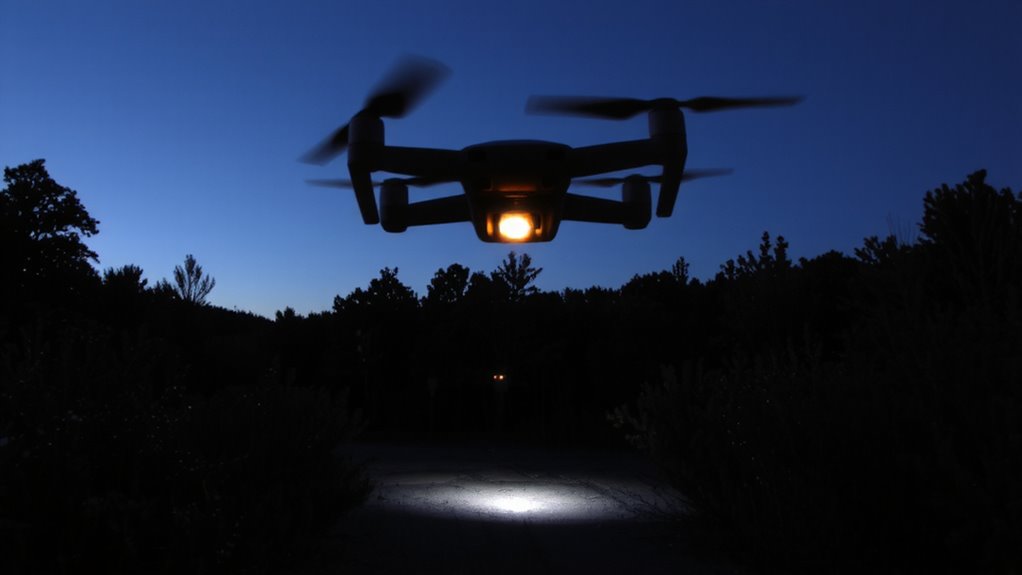
When it comes to outdoor surveillance, the right drone can make all the difference. You’ll want one built specifically for the task, not just a recreational model. Look for strong weather resistance, since rain, wind, or extreme temperatures shouldn’t ground your operations. Drones with IP-rated enclosures and sealed motors perform better in tough conditions. For effective monitoring, choose a model that supports terrain scanning-this lets you map large or uneven outdoor areas efficiently using LiDAR or advanced cameras. These features help detect changes in the landscape, like footprints or disturbances, over time. While more durable drones cost more upfront, they save money long-term by reducing repair and replacement needs. Aim for at least 30 minutes of flight time and solid encryption for data security. Always check local regulations before purchase.
Integrate Drones With Your Security System
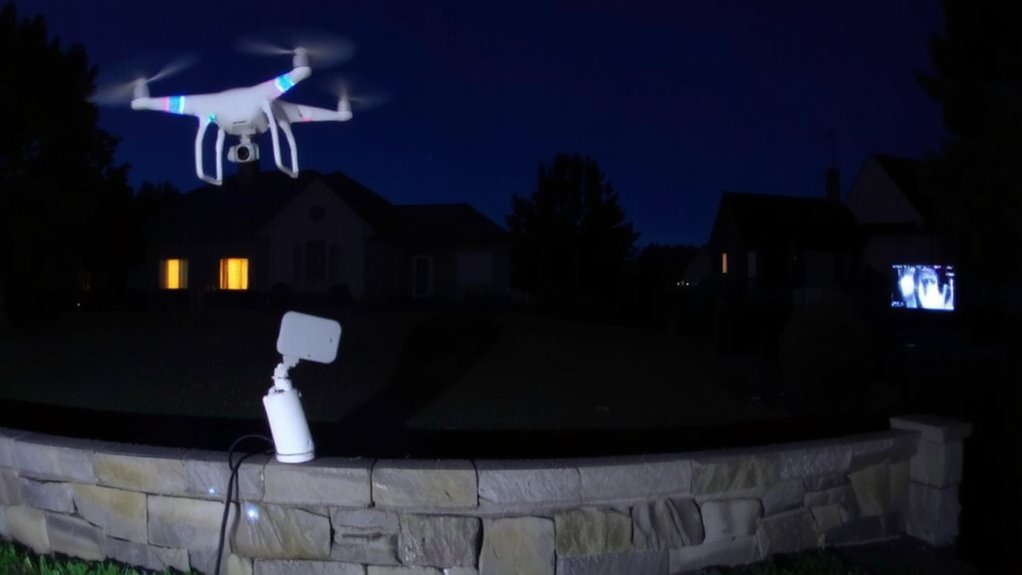
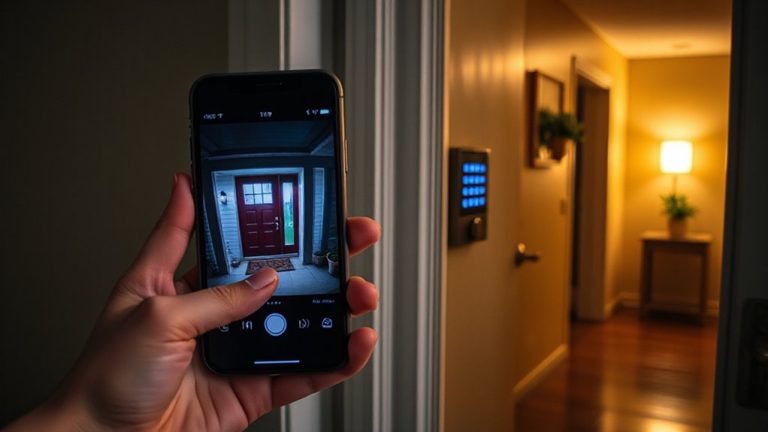
You’ve got a drone built for outdoor surveillance, but it won’t do much good flying solo. To maximize effectiveness, focus on drone integration with your existing security setup. System synchronization lets your drone work alongside cameras, motion sensors, and alarms, so alerts trigger coordinated responses. For instance, if a sensor detects movement, your drone can auto-launch and stream live footage to your phone. Look for drones compatible with platforms like Ring, Nest, or SecuritySpy to guarantee smooth integration. Some systems offer API support or IFTTT applets for custom automation. While setup may require technical tweaks, the payoff is real-time, wide-area monitoring that standalone systems can’t match. Keep in mind, full integration often means higher upfront costs and a steeper learning curve. Still, when done right, system synchronization boosts detection accuracy and cuts down response time, making your outdoor surveillance both smarter and more reliable.
Program Reliable Autonomous Surveillance Flights
If your drone supports automated flight paths, you can rely on consistent surveillance without manual control. You simply program the flight paths to cover key areas like property lines, driveways, or buildings, ensuring every patrol follows the same route for reliable monitoring. This minimizes human error and increases detection accuracy over time. To maintain continuous operation, schedule battery swaps before each mission-most drones need a fresh battery for every 20 to 30 minutes of flight. Keep spare batteries charged and rotate them systematically to avoid downtime. Reliable autonomous flights depend on precise GPS and obstacle sensing, so verify your drone has both. While this setup reduces labor, it requires initial planning and periodic calibration. Budget for extra batteries and consider auto-return features that simplify battery swaps. This approach offers structured, repeatable surveillance ideal for routine outdoor monitoring.
Maximize Drone Runtime in Wind, Rain, and Cold
Though drones are built for durability, flying in wind, rain, or cold can drain battery power faster and shorten flight times by up to 30%, so adjusting your setup and expectations is essential. Cold weather reduces battery efficiency, making battery insulation a must-consider thermal wraps to maintain ideal temperature. Wind forces your drone to work harder, cutting into flight time, so check weather forecasts and avoid strong gusts when possible. Rain not only risks electronics but adds weight and drag, lowering propeller efficiency. Use hydrophobic coatings on propellers to shed water and maintain performance. Fly shorter missions in tough conditions and carry extra batteries. While these steps add cost and prep time, they boost reliability and data collection. Planning for environmental challenges guarantees consistent surveillance without unexpected power loss.
Follow Legal and Privacy Rules for Outdoor Drones
Since drone use continues to grow for outdoor surveillance, staying within legal and privacy rules isn’t just responsible-it’s required. You must follow national and local regulations to guarantee regulatory compliance and avoid penalties. Always register your drone if it meets weight requirements, and never fly over private property without permission. Respect no-fly zones near airports and government facilities. Use data encryption to protect the video and image files you collect-this safeguards privacy and meets security best practices. Be transparent with neighbors about your drone’s purpose, and limit recordings to your own property. Review local privacy laws regularly, as they evolve.
| Rule | Why It Matters | Tip |
|---|---|---|
| Register your drone | Required by law in many areas | Check FAA or local authority sites |
| Avoid restricted zones | Prevents legal issues | Use GPS-enabled flight apps |
| Encrypt stored data | Protects privacy | Enable built-in data encryption |
| Respect privacy | Builds community trust | Don’t record neighbors unnecessarily |
Enable Real-Time Alerts for Faster Threat Response
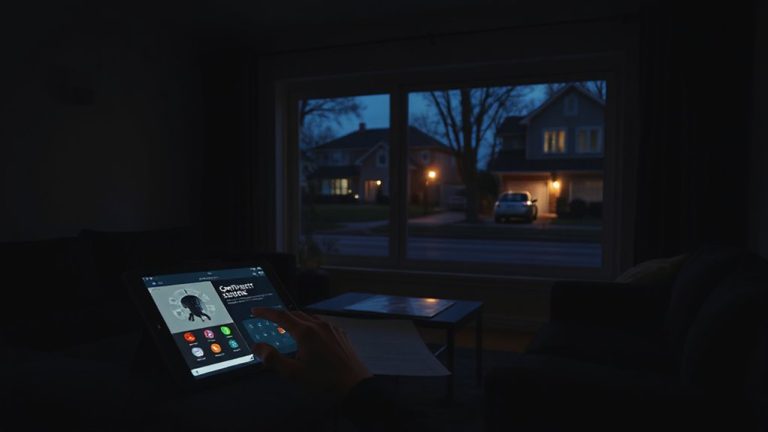
What good is surveillance if you’re not notified the moment something’s amiss? With real time monitoring, your drone actively watches your property and sends an instant notification when it detects movement. You’ll know right away if someone’s approaching your home, even if you’re not outside. Most modern drones support motion detection algorithms that reduce false alerts from animals or swaying trees. Pair this with a mobile app, and you’ll get alerts on your phone or tablet wherever you are. Instant notification means you can respond faster-whether that’s checking the live feed, sounding an alarm, or contacting authorities. Some systems integrate with smart home security networks for seamless control. While subscription plans often enhance real time monitoring features, basic alerts are usually included. Plan for consistent Wi-Fi or cellular coverage so alerts aren’t delayed.
On a final note
You can boost your outdoor security by adding drones to your surveillance plan. Choose models built for weather resistance and long battery life. Link them to your existing system for real-time alerts and faster response. Program regular flights to cover blind spots. Always follow local laws and respect privacy. With proper planning, drones provide reliable, data-backed monitoring that complements cameras and sensors, giving you a clearer, more complete picture of your property’s safety.