Setting Up Hidden Cameras in Strategic Locations for Unseen Protection
You should place hidden cameras at entry points like front and back doors, where 34% of break-ins occur. Choose models built into clocks or photo frames for living rooms, and use heat-resistant, wireless cameras in kitchens. Position them at eye level for clear facial views, ensuring no obstructions. Opt for wired setups for reliability or battery-powered for flexibility, but recharge regularly. Always avoid bathrooms and bedrooms to stay legal, and use cloud storage with remote viewing via apps. You’ll find smarter placements and legal tips next.
Notable Insights
- Place hidden cameras at entry points like doors and porches to detect intruders and prevent package theft.
- Use decor-matching devices such as clock or picture frame cameras for seamless concealment in living areas.
- Install 1080p wireless cameras with night vision to ensure clear, reliable video in all lighting conditions.
- Avoid bedrooms and bathrooms to comply with privacy laws and prevent legal issues.
- Choose wired models for continuous power or battery-powered for flexible placement with remote Wi-Fi access.
Identify High-Risk Areas That Need Unseen Protection
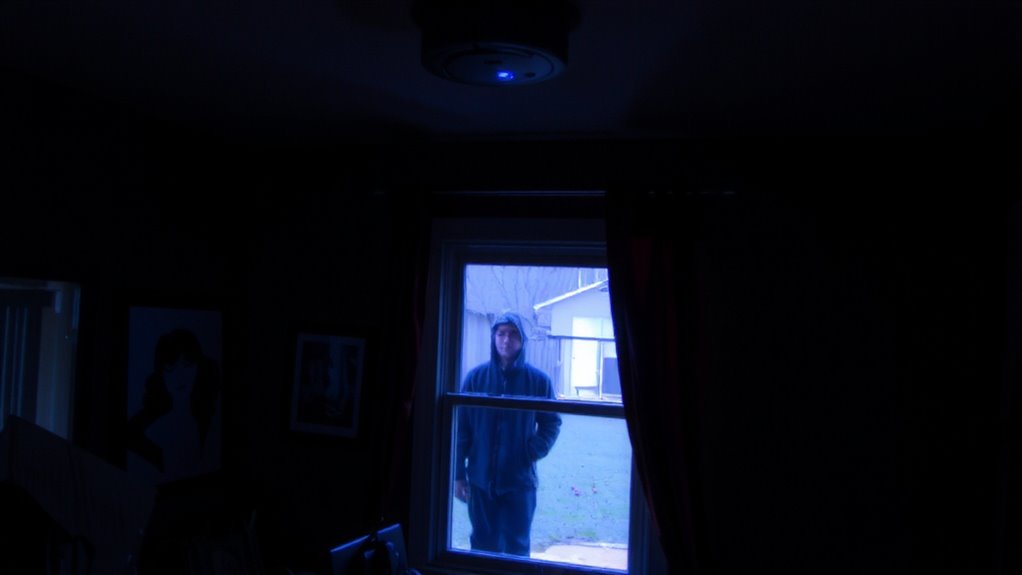
While every home has unique vulnerabilities, certain areas are consistently at higher risk for intrusions or accidents, so focusing your surveillance there makes strategic sense. You should prioritize entrance monitoring since most break-ins occur through doors. Front, back, and side entries are key spots to cover-this helps catch unauthorized access early. Porch areas also face frequent package theft, a growing issue in residential neighborhoods. Without monitoring, stolen deliveries are hard to dispute or recover. A hidden camera near entry points deters crime and provides evidence if incidents occur. Focus on sightlines that capture faces and actions clearly, especially during daytime and low light. Plan placement carefully to avoid blind spots. Though concealed units blend in well, guarantee they’re positioned legally and ethically. This strategic approach increases effectiveness without raising false alarms or privacy concerns. For optimal performance, consider models highlighted in the Best Hidden Cameras roundup to ensure reliability and advanced features.
Pick the Right Hidden Camera for Any Room
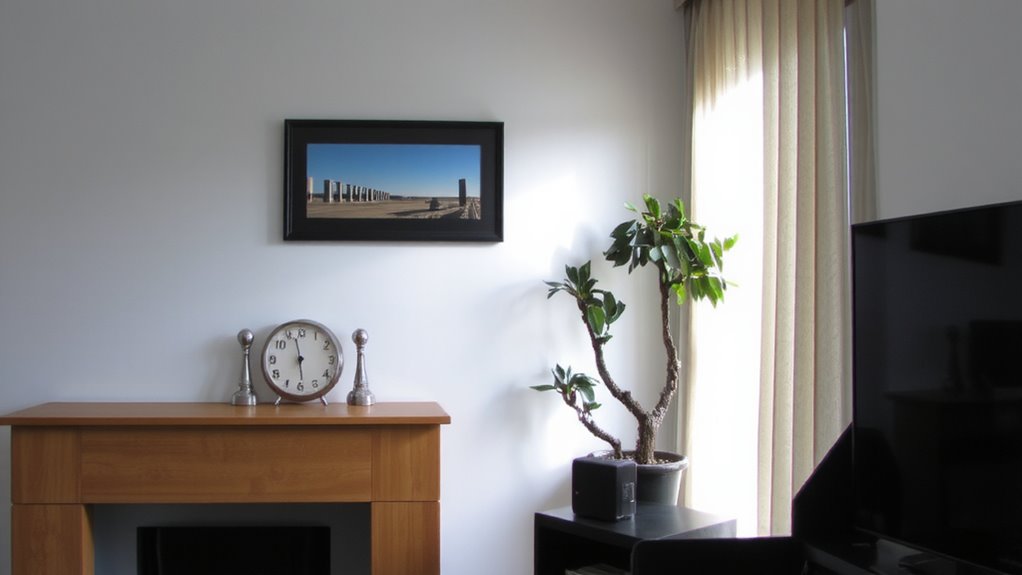
Choosing the right hidden camera means matching key features to the room’s purpose and layout. You’ll need to evaluate camera aesthetics and concealment techniques to blend the device naturally into its environment. In living rooms, a clock or photo frame camera works well due to common decor. For bedrooms or bathrooms, audio-free models comply with privacy laws and reduce legal risk. Kitchens and entryways benefit from heat- and moisture-resistant units with wide-angle lenses. Look for 1080p resolution and night vision as standard. Some models offer cloud storage, but local SD storage is more secure. Wireless cameras are easier to install, though hardwired options offer steady connections. Small cameras suit tight spaces but may lack adjustability. Always balance visibility with practicality-effective concealment means the camera isn’t obvious, but still captures clear, usable footage. For optimal performance, consider models highlighted in expert reviews of the best concealed cameras.
Place Cameras Strategically Without Raising Suspicion
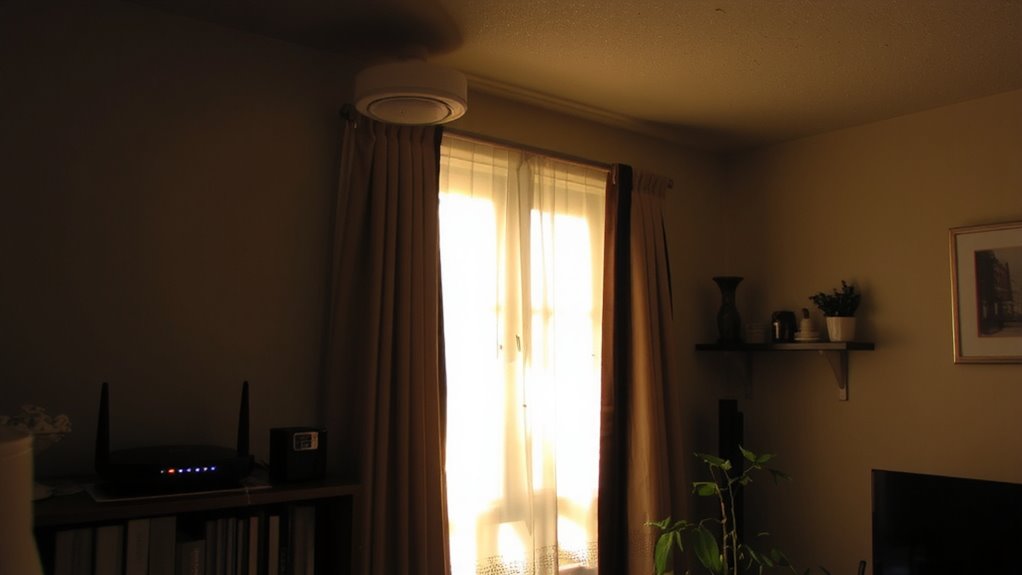
When placing hidden cameras, your main goal is to stay undetected while capturing the most useful footage-so pick spots where the device looks like a natural part of the room. Effective camera placement means choosing locations with clear views of entry points or high-traffic areas, but without drawing attention. Use everyday objects for visual conceal mission, like clocks, smoke detectors, or bookshelves, so the device blends in. Avoid placing cameras too high or too low; eye level often gives the best angle. Keep lenses free of obstructions, and check sightlines to guarantee full coverage. Test the position occasionally to confirm no new objects block the view. Good planning improves detection chances and reduces blind spots. Proper camera placement isn’t just about hiding it well-it’s about balancing visibility, coverage, and visual concealment for reliable, unseen protection. One effective option is using a picture frame spy camera, which seamlessly integrates into home or office decor while providing discreet monitoring.
Keep Cameras Running: Wired vs. Battery and Remote Viewing Setup
Now that you’ve placed your hidden cameras where they’re least likely to be noticed but still capture key activity, the next step is keeping them active and accessible. Wired cameras offer strong power source reliability, running continuously without battery changes, making them ideal for long-term monitoring. However, they require outlet access and installation effort. Battery-powered models provide more placement flexibility, but need regular charging or replacements, risking gaps in coverage. For viewing access convenience, choose systems with secure cloud or local storage and a reliable app. Remote viewing lets you check feeds anytime from your phone or tablet. Look for Wi-Fi compatibility and encryption to protect your data. While wired setups typically cost more upfront, they reduce long-term maintenance. Battery cameras often have lower initial costs, but factor in replacement batteries or power banks. Plan according to your location, usage, and need for uninterrupted, convenient monitoring.
Stay Legal: Where It’s Safe to Install Hidden Cameras
Where can you legally place hidden cameras without crossing the line? You can install them in areas where there’s no reasonable expectation of privacy, like living rooms, entryways, or garages. But you must follow privacy laws-recording in bathrooms, bedrooms, or changing areas is illegal, even in your own home if others use them. In shared rental spaces, check local regulations before setting up surveillance. Be aware that some states require two-party consent for audio recording, so verify your state’s surveillance rights before activating sound. Always post signs if required, especially in businesses. Avoid pointing cameras at neighbors’ property to prevent disputes. Penalties for violating privacy laws can include fines or criminal charges. When in doubt, consult a legal expert. Staying informed protects both your property and your reputation.
On a final note
You’ve identified vulnerable spots, chosen the right hidden camera, and placed it discreetly. Now, decide between wired or battery power-wired offers constant power, while batteries need regular replacement. Enable remote viewing to monitor live feeds securely. Always follow local laws: never record in private areas like bathrooms. Plan your setup carefully, check pricing and features, and guarantee reliable performance without breaking the law.