Understanding the Psychological Aspects Behind Domestic Burglary Incidents
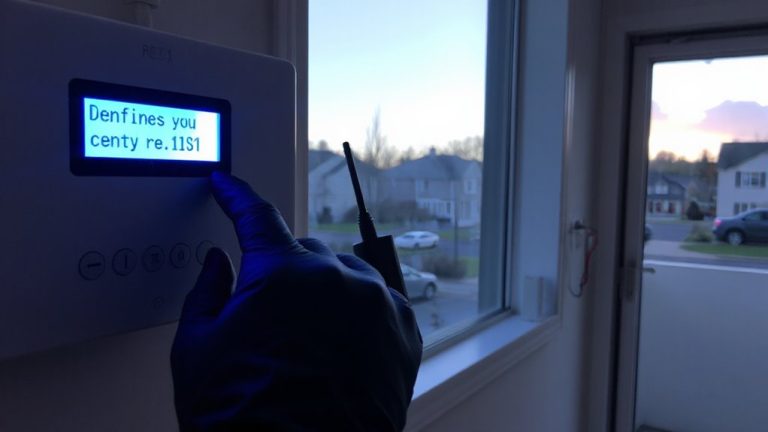
You’re more at risk of burglary when your home shows signs of opportunity-like unlit entryways or open windows-because most break-ins are impulsive. Addicted individuals may steal to support habits, targeting homes that look easy. Visible security systems deter over 60% of offenders. Strong locks and motion lights help. Your habits matter as much as your hardware. A smarter setup changes how criminals see your home. You’ll see how small shifts make a big difference.
Notable Insights
- Opportunistic thinking and low planning characterize most domestic burglaries, driven by immediate environmental cues.
- Addictive behaviors strongly influence the psychological motivation behind property crimes, especially for quick financial gain.
- Burglars psychologically assess homes for vulnerability, targeting those with poor lighting and unsecured entry points.
- The emotional trauma victims experience often includes lasting anxiety and a disrupted sense of personal safety.
- Deterrence strategies leveraging behavioral insights, like visible security systems, exploit burglars’ risk-avoidance decision-making.
Why Do People Commit Burglary?
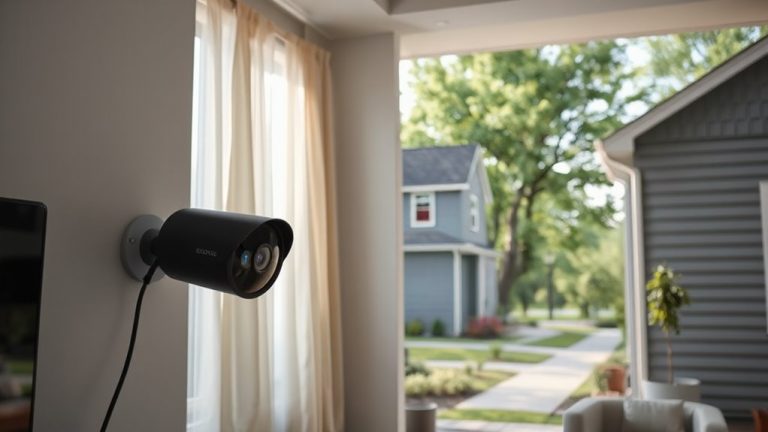
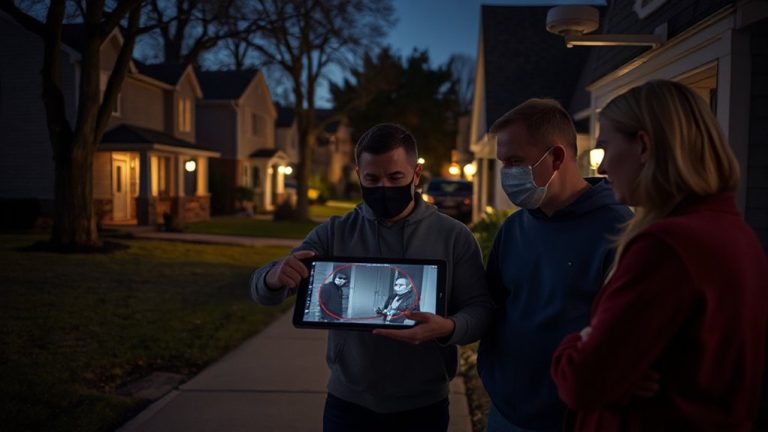
Why do some people break into homes when so much could go wrong? You might act out of an opportunistic mindset, seizing unsecured homes without deep planning. Studies show many burglars aren’t career criminals but average individuals influenced by momentary chances-like an open window or dark driveway. This split-second decision relies heavily on perceived vulnerability. Social influence also plays a role; peer groups normalizing theft increase the likelihood you’ll engage in burglary, especially in communities with high crime visibility. Data suggests that environments with visible security systems reduce break-ins by over 60%, meaning deterrence matters. Install motion lights and visible cameras-they’re cost-effective, typically under $200, and act as strong psychological barriers. A variety of best home security cameras are available to suit different needs and budgets. Planning matters too: routine checks and neighborhood watches disrupt the opportunistic mindset. Prevention is far cheaper than repair, both financially and emotionally.
Can Addiction Drive Burglary Behavior?
Addiction often acts as a powerful driver behind burglary behavior, pushing individuals to steal when other options feel out of reach. You might not realize how strongly substance dependency can influence criminal actions. Many burglaries are committed by people needing quick money for drugs or alcohol, making theft a means to sustain their habit. This isn’t always premeditated; desperation fuels impulsive decisions. Compulsive stealing can also develop alongside addiction, blurring the line between need and psychological urge. Studies show a significant portion of property crimes link directly to substance dependency, not greed or thrill-seeking. While not all who struggle with addiction turn to burglary, the risk increases dramatically without treatment. You should understand this pattern isn’t about targeting specific homes-it’s about opportunity under pressure. Knowing the root causes helps shape better prevention and community support strategies that address both crime and its underlying triggers.
How Do Burglars Spot an Easy Target?
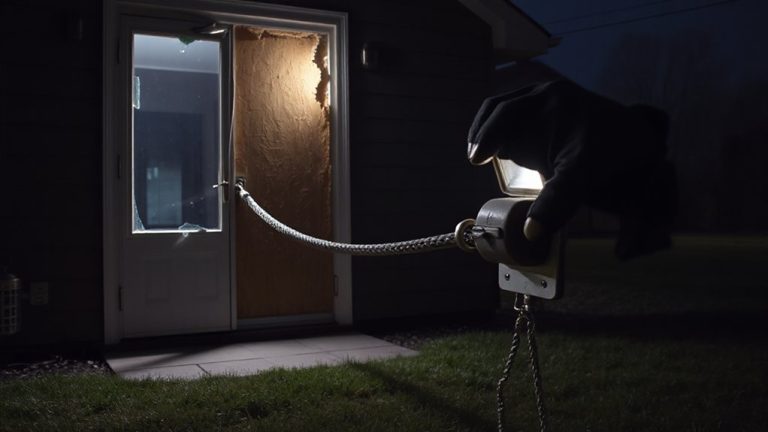
Burglars don’t usually pick targets at random-they look for signs that a home is easy to break into and unlikely to have strong defenses. Your home’s appearance, routine, and security flaws heavily influence their target selection. They scout for unsecured entry points like open windows, weak doors, or overgrown bushes that hide movement.
| Feature | Risk Level |
|---|---|
| Deadbolt locks | Low |
| Sliding glass doors | High |
| Motion lights | Low |
| Overgrown shrubs | High |
| Visible valuables | High |
These factors shape how appealing your home seems. Strong locks and clear sightlines reduce risk, while poor lighting and hidden entry points increase it. Evidence shows most burglars avoid homes that look monitored or difficult to enter. You can deter them by reinforcing key entry points and removing hiding spots. Simple upgrades improve safety without high costs. Planning matters-assess weaknesses early. Installing outdoor security cameras can significantly increase the perception of surveillance and deter potential intruders.
Why Do Burglaries Cause Lasting Trauma?
Even though the physical damage from a burglary might be repairable, the emotional impact often lingers long after the crime. You may carry emotional scars that affect your daily life, making it hard to feel safe at home. These feelings aren’t uncommon-studies show many victims struggle with anxiety, sleep issues, and persistent fear. You might develop trust issues, too, questioning not only strangers but even neighbors or friends. It’s not just about stolen items; it’s the loss of your sense of security. Over time, these emotional scars can strain relationships and reduce overall well-being. Recognizing these effects is the first step. Consider speaking with a counselor or joining a support group. Simple home security upgrades, like motion lights or cameras, can also help rebuild your sense of control and safety.
What Makes a Home Feel Violated: Even If Nothing’s Stolen?
A home is more than walls and a roof-it’s your personal sanctuary, a place where you expect privacy and safety. When a burglar enters, even without stealing anything, they disrupt your sense of safety and cross your personal boundaries. You might find drawers slightly ajar or furniture moved, small signs that someone was there, watching, touching, moving through your space. That intrusion shakes your trust in your environment. It’s not about loss of property, but loss of control. Studies show that victims often report feeling exposed and anxious, even if no valuables are missing. The violation lingers because your home’s emotional security has been compromised. Restoring that sense of safety takes time and effort. Simple steps like changing locks, adding lighting, or installing visible security systems can help reestablish personal boundaries. These measures don’t erase the experience, but they do support recovery by increasing perceived and actual protection. Upgrading to reliable best window locks can further deter unauthorized access and reinforce a home’s physical and psychological defenses.
How Thinking Like a Burglar Prevents Break-Ins?
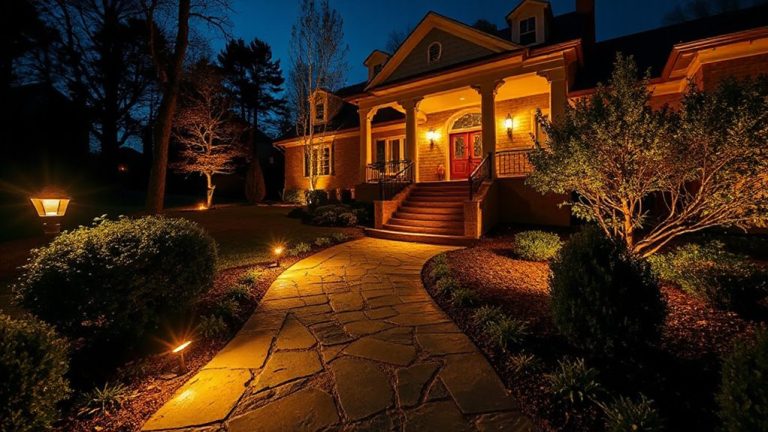
Why do some homes get targeted while others are passed over? Burglars use target profiling to find weak spots-yours could be next if you’re not careful. They observe routines, check for dark windows, and note unsecured doors. By thinking like a burglar, you spot vulnerabilities before they do. Entry timing matters: most break-ins happen during daylight when people are at work. Secure windows, use timers for lights, and install motion-sensor lighting. A visible security system deters 60% of offenders. Consider deadbolts and reinforced frames-pros outweigh costs. Cameras help, but only if they’re noticeable. Avoid unnecessary monthly fees by choosing local storage options. You don’t need the priciest gear-just smart planning. Small fixes now reduce risk later. Stay aware, act early, and make your home a poor target.
On a final note
You can reduce burglary risk by understanding offender behavior and securing vulnerabilities. Most burglars look for easy access, so strong locks, lighting, and visible alarms deter them. Even unsecured windows or dense shrubbery near doors invite risk. While addiction may fuel some crimes, opportunity drives most break-ins. You don’t need expensive systems-consistent, simple habits like locking doors and using timers make homes less appealing. Feeling violated is common, but proactive steps restore control.