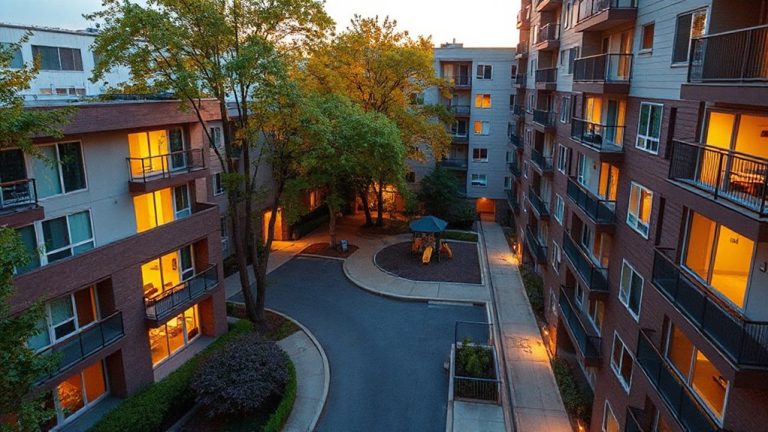
How Sharing Security Camera Footage With Neighbors Deters Repeat Offenders
When you share security camera footage with neighbors, you turn isolated recordings into a connected watch network that deters repeat offenders. Thieves target familiar spots with weak defenses, but overlapping video coverage increases their risk of being caught on multiple angles. Shared clips help police identify suspects faster, making your block less appealing. Use secure apps to share only relevant footage, keep data private, and focus on public areas-most systems cost under $150 and store 30 days. You’re not just protecting your home-you’re strengthening the whole block’s safety with proven, coordinated action.
Notable Insights
- Offenders avoid areas where shared footage increases their risk of identification and arrest.
- Connected camera networks create a deterrent by making neighborhoods less predictable and more monitored.
- Overlapping video coverage from multiple homes helps quickly identify and track repeat suspects.
- Real-time sharing of clips with neighbors and police speeds up response and investigation.
- Visible security cameras and known sharing agreements discourage criminals from targeting the area again.
Why Thieves Keep Targeting the Same Blocks
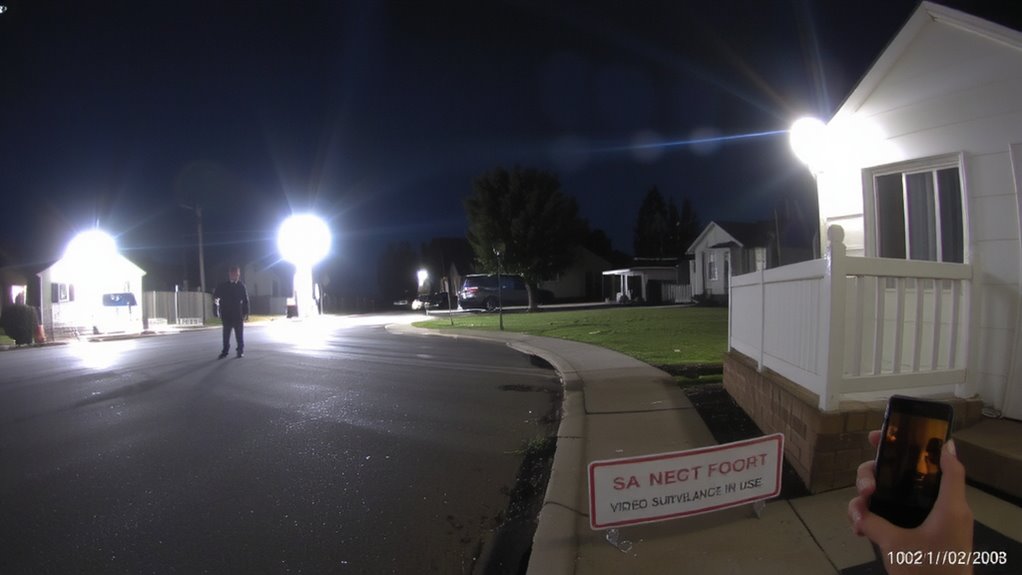
Why do certain neighborhoods seem to get hit again and again? Thieves often return because they recognize weak spots and little resistance. Once a block proves easy to target, criminal patterns form. They remember opened garages, dark alleys, or homes without visible cameras. Without coordinated efforts, your home could be next-even if you’re careful. Strong neighborhood trust changes that. When neighbors communicate and watch out for one another, suspicious activity gets noticed faster. Communities with regular check-ins and shared awareness tend to see fewer repeat break-ins. Data shows that connected neighborhoods disrupt criminal patterns simply by being alert. You don’t need high-tech systems to start-just openness and consistency. Building trust takes time, but it’s low-cost and effective. Consider organizing a block meeting to discuss routines, lighting, and signs of danger. It’s a practical first step toward long-term safety.
How Sharing Security Footage Stops Repeat Crimes
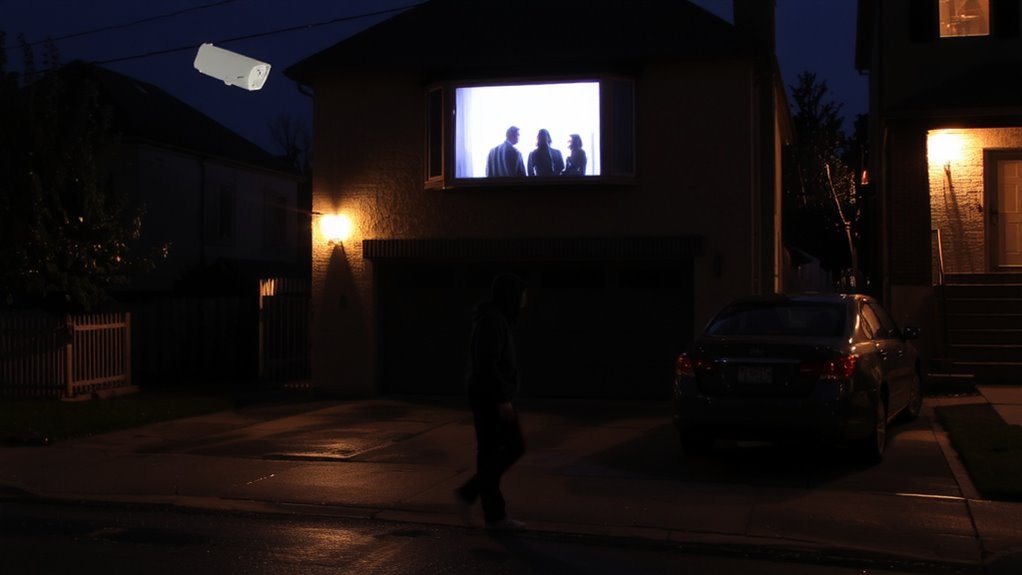
While criminals may return to familiar areas where past attempts succeeded, sharing security camera footage among neighbors can disrupt their patterns by increasing the risk of identification. You make it harder for offenders to strike again when they know footage could expose them. This kind of collaboration strengthens crime prevention by turning isolated recordings into a coordinated neighborhood watch. When you share clips quickly, police get clearer leads, increasing the chance of catching suspects. Over time, this deters repeat break-ins because the area becomes too risky. Building community trust is key-you rely on each other to act responsibly with privacy and data. Trust guarantees people participate consistently. You don’t need expensive systems; many affordable cameras support secure sharing. Just guarantee everyone follows basic digital safety. This approach isn’t foolproof, but evidence shows it reduces repeat offenses when done thoughtfully. A reliable way to start is by choosing from the best closed-circuit security cameras, which are designed for clear recording and easy sharing.
How to Start a Neighborhood Camera Group
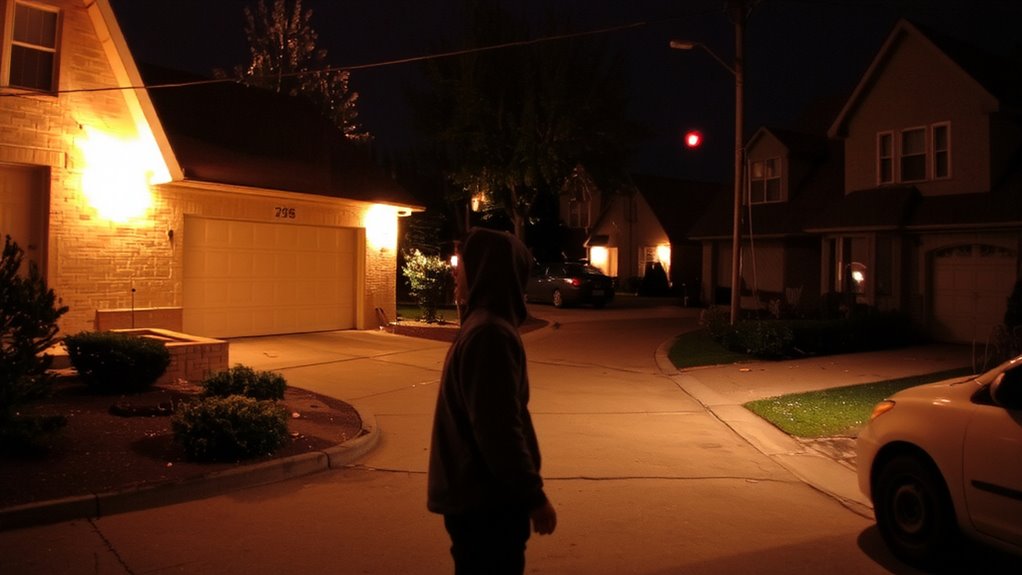
How do you turn individual home cameras into a united defense? Start by talking to neighbors about forming a camera group, focusing on shared safety goals. Make sure everyone understands legal boundaries-sharing footage is allowed, but only with consent and for legitimate reasons. Use secure apps or platforms designed for neighborhood coordination, which let you share clips without exposing live feeds. Balance privacy by agreeing not to record public sidewalks or adjacent homes unnecessarily. Set clear rules on data retention and access, so footage isn’t misused. Include diverse perspectives when planning so all feel protected. While setup costs vary, most systems work with existing cameras. A group effort increases coverage and deters crime more effectively than isolated devices. You’ll create a stronger, smarter network when you prioritize both security and privacy balance.
Real Stories: How Shared Video Caught Local Offenders
When neighbors work together, shared camera footage can turn scattered snapshots into solid evidence. You’ve likely heard how a stolen package or broken window led one block to compare videos and spot the same suspect across three homes. That’s what happened on Maple Street, where overlapping angles identified a repeat offender within 48 hours. By respecting privacy boundaries-only sharing clips of public areas and suspicious activity-the group maintained community trust. One neighbor’s camera caught a license plate, while another recorded footgear unique to the suspect. Police confirmed the match, leading to an arrest. These real cases show collaboration works, but only when handled responsibly. You don’t need professional gear; most systems start at $100 and store 30 days of footage. Sharing video strengthens safety, but always limit access, avoid panning into private yards, and document what you share. A reliable home security camera can make all the difference in capturing clear, actionable footage.
How to Share Footage Without Spying on Neighbors
You’ve seen how sharing camera footage helped neighbors on Maple Street catch a repeat offender, but balancing security and privacy requires clear guidelines. Set privacy boundaries by angling cameras to cover only your property and avoiding windows or private areas of neighboring homes. Only record what’s necessary and store footage securely. When sharing, use private platforms like encrypted apps or neighborhood portals, not public social media. Always follow consent practices-ask permission before sharing any footage that includes others, even incidentally. Let neighbors know if your camera captures shared spaces, and respect their comfort level. Limit access to relevant clips, not continuous video. These steps protect everyone’s rights while improving safety. Clear communication, defined boundaries, and mutual consent build trust. That way, you get the benefits of cooperation without overstepping, keeping your community both secure and respectful.
On a final note
You can reduce neighborhood crime by sharing security camera footage with trusted neighbors. Studies show visible cameras and quick information sharing deter repeat offenders. Start with a small group, use secure apps, and respect privacy. Clear communication and simple guidelines help maintain trust. While setup costs vary, most systems pay off in prevention. Combined effort makes your block safer, smarter, and more resilient over time.