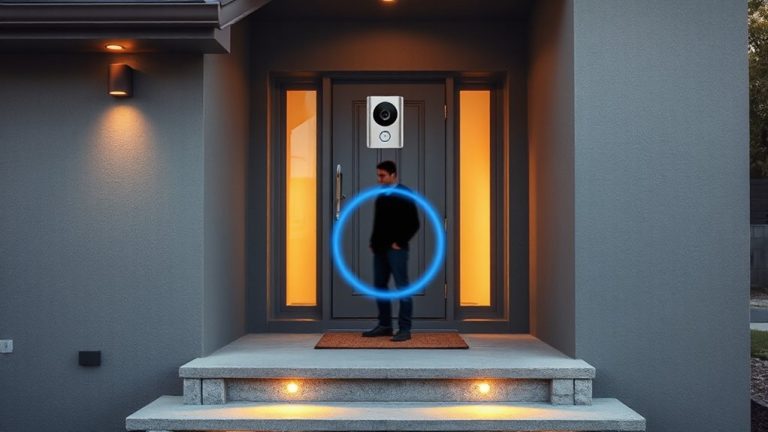
Evaluating Home Safety for Aging Parents and Grandparents
Check your parents’ or grandparents’ home for frayed cords, poor lighting, and slip hazards, especially in bathrooms and on stairs. Install grab bars, non-slip mats, and clear walkways to reduce fall risks. Upgrade lighting with warm LED bulbs and add switches at both ends of stairways. Use surge protectors instead of daisy-chained power strips. Consider smart fall detection or wearable alerts starting at $20/month. Reinforce windows and grab bar installations into studs for stability. Simple upgrades can prevent most common injuries-there’s more to explore on securing every room effectively.
Notable Insights
- Check for frayed cords and overloaded outlets, and use surge protectors to reduce fire and shock risks.
- Install non-slip mats and grab bars in bathrooms to prevent falls on wet or slippery surfaces.
- Ensure all walkways are clutter-free, well-lit, and equipped with secure flooring to minimize trip hazards.
- Add grab bars near beds and in bedrooms to support balance during nighttime movements.
- Use smart emergency tech like fall detectors and wearable panic buttons for faster response when living alone.
Do a Home Safety Check First
A safe home starts with a thorough assessment, and you’re the best person to spot potential risks before they become real problems. Begin by checking for electrical hazards-frayed cords, overloaded outlets, or outdated wiring can increase fire risk, especially in older homes. Look behind furniture and in closets where issues hide. Replace damaged cords and use surge protectors instead of daisy-chaining power strips. Next, evaluate window security. Guarantee windows have working locks, and consider reinforced glass or security film to deter intrusions and prevent accidents. Basements and ground-floor windows are common weak points. Install sensors that alert you if a window opens unexpectedly. These fixes are affordable-typically under $200 combined-and provide measurable protection. Prioritizing electrical safety and window security creates a safer environment and gives you peace of mind. Consider adding a personal safety device for seniors to further enhance independent living and emergency response capabilities.
Prevent Bathroom and Stair Falls Now
One in three adults over 65 experiences a fall each year, and bathrooms and stairs are among the most common places these accidents happen-so taking targeted steps now can considerably reduce risks. Install non slip mats in the shower and near the tub to prevent slipping on wet surfaces; they’re affordable and easy to replace. Proper grab bar placement is just as important-mount bars vertically or horizontally near the toilet and inside the shower for stable support. Avoid using towel racks or soap dishes as substitutes; they can’t bear weight. Choose grab bars rated for at least 250 pounds and secure them into wall studs. Most installations cost $100–$300 with professional help, but DIY kits are available. Combining non slip mats with strategically placed grab bars gives your loved one better balance and confidence, reducing fall risks in high-hazard areas.
Boost Lighting and Clear Walkways
Since poor lighting and cluttered paths are leading contributors to trips and falls among older adults, taking steps to brighten key areas and keep walkways unobstructed can make a meaningful difference in safety. You should add floor lamps in dim corners or hallways-these boost visibility without rewiring. Place them where they’re easy to reach but out of the way. Avoid using throw rugs, as they often slip and create tripping hazards. If you do use them, choose non-slip backings or secure them with double-sided tape. Clear paths between rooms of cords, furniture, and clutter so walks are safe and smooth. Light switches near stairs and beds help too. LED bulbs with warm light reduce glare while improving clarity. Installing outdoor wireless motion sensor lights can enhance nighttime visibility around entrances and pathways, providing an added layer of safety. These changes are low-cost, simple to install, and proven to reduce fall risk. You’ll gain peace of mind knowing your loved one moves more safely each day.
Adapt Kitchen and Bedroom for Safety
You’ve already improved lighting and cleared walkways to lower fall risks, and now you can apply similar practical upgrades in the kitchen and bedroom-two areas where daily routines increase the chance of accidents. Start with non slip flooring in both spaces; it’s proven to reduce slips, especially in kitchens where spills happen. Vinyl or rubber flooring offers durability and is affordable, typically costing $3 to $8 per square foot. In the bedroom, place mats with non slip backing near the bed. Install grab bars near the bed and in the bathroom adjacent to the bedroom-grab bar installation supports balance when sitting or standing. Choose wall-mounted bars rated for at least 250 pounds. Avoid towel racks as substitutes; they’re not built for support. These changes are cost-effective and greatly improve stability. Planning around furniture layout guarantees clear movement paths. Together, non slip flooring and grab bar installation provide measurable safety gains without major renovations.
Add Smart Tech for Emergency Support
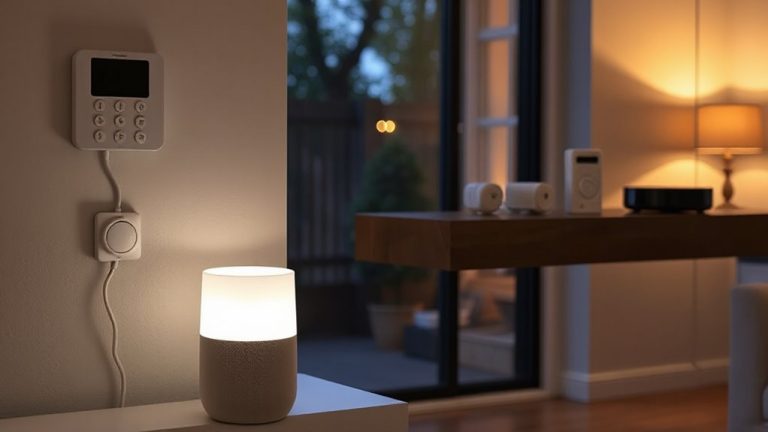
While falls aren’t the only risk, adding smart technology can make a real difference in how quickly help arrives during emergencies, especially when aging parents live alone. Voice alerts and remote monitoring systems let you respond fast, even from afar. Devices like smart speakers with emergency call features or wearable panic buttons offer reliable support. Best panic buttons provide fast, one-touch access to emergency help and are among the most effective tools for independent seniors.
| Feature | Benefit |
|---|---|
| Voice alerts | Instant notifications during falls or medical events |
| Remote monitoring | Real-time check-ins without physical presence |
| Fall detection sensors | Automatically trigger alerts if a fall occurs |
| Monthly subscription plans | Costs range $20–$50, often include 24/7 response centers |
These tools integrate easily into daily life. Look for systems with no long-term contracts and mobile app access. With voice alerts and dependable remote monitoring, you gain peace of mind knowing help is always within reach.
On a final note
You should check your parents’ home now to prevent accidents. Most falls happen in bathrooms and on stairs, so install grab bars and non-slip mats. Improve lighting and clear walkways to reduce tripping. Simple kitchen and bedroom changes help too. Smart devices like fall detectors or emergency alerts add support. These steps are cost-effective and backed by safety data. Plan changes early, prioritize high-risk areas, and consider both convenience and long-term care needs.