Evaluating Home Safety for Children With Special Needs
You can cut home safety risks by 60% with targeted changes. Install window locks and stair gates-choose hardware-mounted ones for stronger support. Use non-slip mats ($10–$25) and secure cabinets to lock away cleaners. Add sensory-friendly lighting and sound control to reduce overload. Ramps cost $1,000–$3,000; stairlifts run $2,500–$5,000. Always include medical details in your emergency plan. There’s more to reflect on when tailoring each space.
Notable Insights
- Install window locks and use stair gates to prevent falls, especially in homes with children who wander.
- Secure heavy furniture and appliances to walls to reduce risks of tipping and injury.
- Create sensory-friendly spaces with dimmable lighting, noise control, and organized layouts to support comfort and focus.
- Use non-slip surfaces and safety latches in bathrooms and kitchens to minimize injury and limit access to hazards.
- Develop and practice emergency plans that include medical details, communication roles, and evacuation strategies tailored to the child’s needs.
Map Every Room for Special Needs Safety Risks
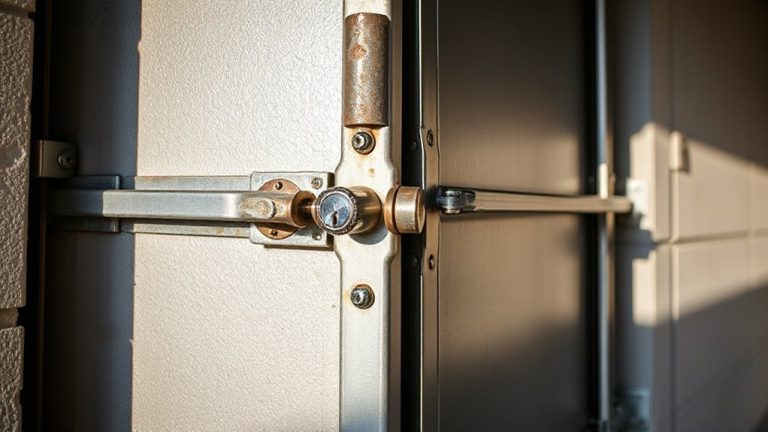
While every home has potential hazards, identifying them becomes even more critical when a child with special needs lives there, as their unique challenges may increase vulnerability to common risks. You should start by mapping each room to pinpoint dangers like unstable furniture, sharp edges, or accessible cords. Install window locks to prevent accidental falls, especially if your child is prone to wandering or has limited safety awareness. These locks restrict how far windows can open, offering ventilation without risk. Use stair gates at the top and bottom of stairs to block unsupervised access-choose models that are pressure-mounted or hardware-installed based on your child’s strength and mobility. Consider durability, ease of use, and latch height when selecting gates. These features reduce injury risks and provide consistent boundaries, giving you peace of mind while supporting your child’s safety in daily routines. For maximum security, choose best window locks that are durable, easy to operate, and compatible with your window types.
Install Adaptive Equipment for Mobility Support
Adaptive equipment can make a real difference in helping your child move safely and independently through your home. Ramps are a common solution for homes with steps, especially at entries or between rooms. They support wheelchairs and walkers, and modular ramps can be customized and removed if needed. Installing a ramp typically costs between $1,000 and $3,000, depending on length and materials. For multi-level homes, stairlifts help children safely navigate stairs. Stairlifts run along a rail and can carry up to 300 pounds, though they require secure installation and routine maintenance. Costs range from $2,500 to $5,000. Both ramps and stairlifts should meet ADA guidelines for slope, width, and handrails. Consider space, daily use patterns, and future needs when choosing. Consult a mobility specialist to assess structural requirements and guarantee safety.
Prevent Sensory Overload in Play and Sleep Zones
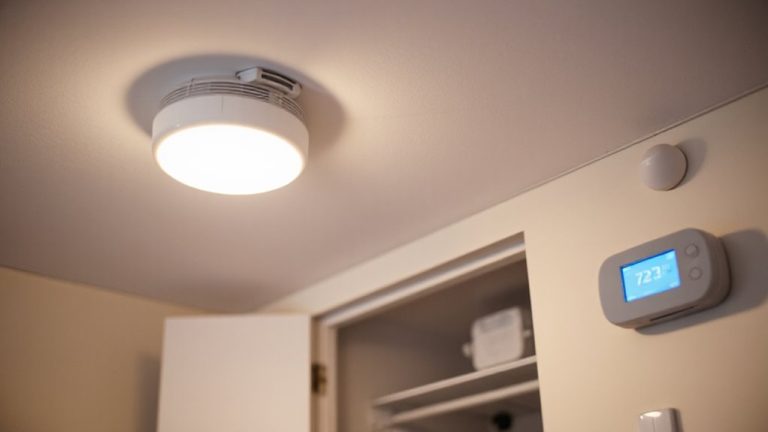
You’ve made your home easier to navigate with ramps or stairlifts, but safety also means managing the sensory environment, especially in spaces where your child plays and sleeps. Sensory lighting helps regulate mood and attention-use dimmable LED bulbs or colored nightlights to create calming atmospheres. Avoid fluorescent lights, which can cause visual strain. For noise control, consider sound-absorbing materials like heavy curtains, rugs, or acoustic panels. White noise machines can also reduce disruptive sounds during sleep. Limit screen brightness and electronic sounds in play zones to prevent overstimulation. Keep play and sleep areas organized and clutter-free to support focus. Test different lighting and noise control strategies to see what works best for your child’s needs. Small adjustments in sensory lighting and noise control can substantially improve comfort, safety, and routine consistency in daily living.
Childproof Kitchen and Bathroom for High-Risk Safety
Since the kitchen and bathroom pose some of the highest risks for children with special needs due to water, heat, sharp objects, and complex fixtures, taking targeted safety measures in these areas is essential. You should install non slip surfaces on floors and in bathtubs to reduce fall risks, especially during transfers or unsteady movements. Use secure storage for medications, cleaning supplies, and sharp utensils-lockable cabinets or high shelves work best. Anchor heavy appliances and use stove guards to prevent burns. Choose safety latches that are easy for adults but hard for children to open. Consider motion-sensor lighting to reduce confusion in dim spaces. Most non slip mats cost $10–$25; cabinet locks range from $8–$15 per unit. Combine secure storage and non slip surfaces with regular supervision for maximum protection.
Prepare an Emergency Plan for Medical or Safety Crises
If a medical or safety emergency occurs, having a clear, practiced plan in place can reduce response time and improve outcomes for children with special needs. You should conduct regular emergency drills to guarantee everyone in the household knows their role during crises. These drills help identify gaps in your response strategy and build confidence. Establish reliable communication protocols, such as using a family group chat or emergency contact list, so critical information is shared quickly. Include details like your child’s needs, medications, and preferred hospital. Assign one person to manage communication during emergencies to avoid confusion. Practice responses to scenarios like seizures, wandering, or fires. Update your plan every six months or after major changes. A well-structured plan doesn’t prevent all risks, but it improves coordination, increases safety, and supports faster decision-making when seconds count.
On a final note
You’ve assessed each room’s risks, installed mobility aids, managed sensory triggers, and secured high-hazard areas like kitchens and bathrooms. An emergency plan now supports medical and safety needs. These steps, backed by safety data, reduce injury risks markedly. While adaptive equipment has upfront costs, long-term benefits outweigh expenses. Planning guarantees consistency, giving your child a safer, more independent environment. Small, evidence-based changes make a measurable difference.