Navigating Gdpr-Inspired Privacy Rules When Sharing Security Footage With Authorities
You must have a lawful basis under GDPR to share security footage with authorities-public interest or crime prevention often applies, not consent. Only share clips necessary for the incident, trim excess, and auto-blur bystanders using built-in redaction tools. Always log who received footage, when, and why. These steps reduce risk, guarantee accountability, and align with data minimization. Stronger safeguards pay off if questioned later. Choosing systems with automated features saves time and boosts compliance. Smart planning now prevents legal headaches down the line. More practical steps follow.
Notable Insights
- Establish a lawful basis, such as public interest, before sharing footage with authorities under GDPR.
- Avoid relying on consent when disclosing to law enforcement; use public interest or crime prevention grounds instead.
- Share only trimmed clips containing relevant individuals and incidents to minimize personal data exposure.
- Use automated tools to blur faces and license plates of unrelated individuals in shared footage.
- Maintain logs recording each disclosure’s date, recipient, and purpose for accountability and GDPR compliance.
Establish a Legal Basis for Sharing Security Footage

A solid legal foundation isn’t just helpful-it’s required when sharing security footage under GDPR. You must establish a lawful basis before releasing any recordings, especially to authorities. Law enforcement access is permitted only if it aligns with GDPR’s permitted grounds, like public interest disclosure. You can’t rely on consent if you’re sharing with police-instead, consider whether the disclosure prevents a crime or protects public safety. Document your reasoning clearly. Public interest disclosure allows sharing when it serves a significant societal benefit, such as investigating serious offenses. Weigh the necessity and proportionality of each release. Avoid blanket policies-each case needs individual assessment. While compliance takes effort, it reduces legal risk. Failure to follow these steps may result in fines or complaints. Plan your response protocols ahead of time. Know your obligations, and keep detailed logs.
Determine When Consent Is Needed
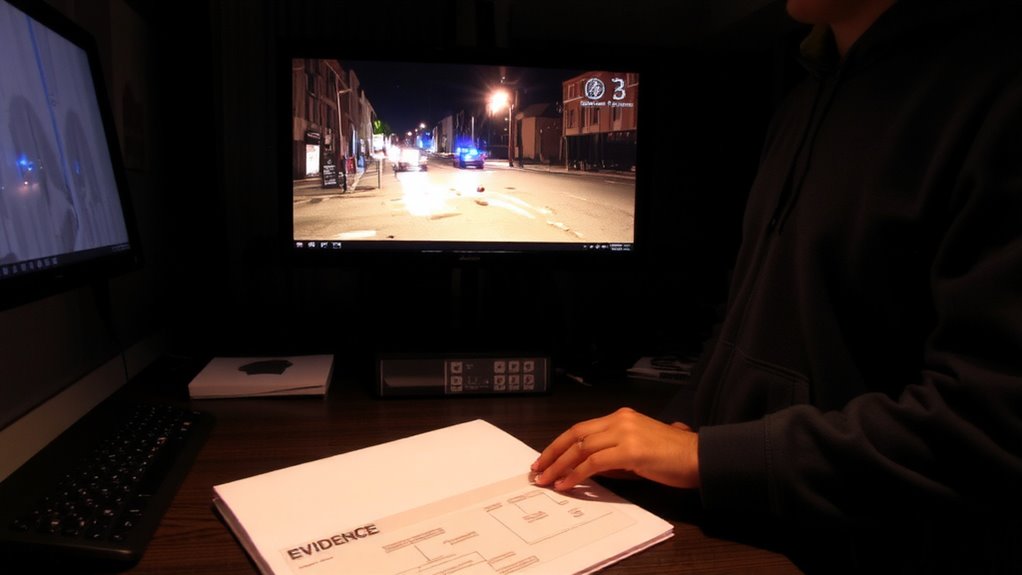
You don’t always need consent to share security footage, but knowing when it’s required makes a real difference in staying compliant. Under GDPR-inspired rules, consent is necessary if you’re sharing footage for purposes beyond preventing crime or fulfilling a legal obligation. If the footage includes people in private areas, like homes or backyards, their data ownership rights strengthen, and getting consent shows respect for those rights. This helps maintain public trust, especially in neighborhoods where cameras are common. However, seeking consent isn’t practical during emergencies. In those cases, rely on your established legal basis instead. When in doubt, assess the context: Is the person clearly identifiable? Is the situation ongoing? Document your reasoning to justify why consent was or wasn’t obtained. Clear policies guide your decisions and support transparency.
Minimize Personal Data in Shared Clips
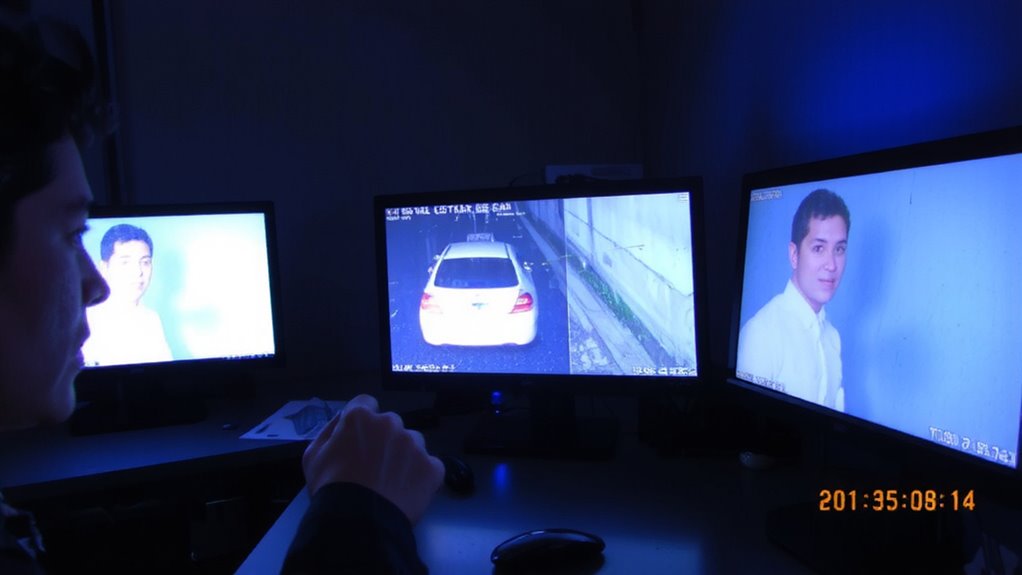
Most of the time, sharing only the necessary parts of security footage reduces privacy risks and keeps your practices GDPR-compliant. You should trim clips to include just the incident and individuals involved, avoiding footage of bystanders or unrelated activity. This minimizes personal data exposure and supports responsible data retention policies. Limiting what you share also strengthens access control, ensuring only authorized personnel view relevant content. Shorter clips are easier to manage, store, and protect, reducing the chance of misuse. Avoid sending full-day recordings when a few minutes suffice. Use timestamped excerpts to maintain context without excess. Proper editing shows you’re serious about privacy and accountability. Plan your footage-sharing process in advance, so you respond quickly without over-disclosing. These steps support transparency, reduce legal risk, and align with GDPR principles-giving you better control over who sees what and for how long.
Redact Unrelated Individuals Automatically
When sharing security footage, automatically redacting individuals not involved in an incident helps you stay compliant with GDPR by limiting unnecessary personal data exposure. You can use automated blurring or pixelation techniques to hide faces and license plates of bystanders quickly. These tools analyze video in real time, detecting and obscuring personal details without manual editing. Automated blurring is faster and more consistent than hand-editing, reducing human error. Pixelation techniques work well for low-resolution footage but may not fully protect identity in sharper videos. Many modern security systems include built-in redaction features, though higher accuracy often requires cloud-based processing, which may increase costs. When choosing software, check for GDPR compliance, processing speed, and compatibility with your camera system. Investing in reliable automated tools now saves time and legal risk later.
Document Every Footage Disclosure
Because every disclosure of security footage carries potential privacy risks, it’s essential to maintain a detailed log of who receives the footage, why it was shared, and when the transfer occurred. A well-kept disclosure log builds a reliable audit trail, helping you stay compliant with GDPR-inspired rules. You’ll need this record if authorities or data subjects question how you handled personal data. Below is a simple format to track each disclosure effectively.
| Date | Recipient | Purpose |
|---|---|---|
| 10/04/2024 | Local Police | Theft investigation |
| 10/08/2024 | Property Manager | Vandalism review |
| 10/12/2024 | IT Security Firm | System breach analysis |
Treat each entry as part of your ongoing audit trail. This practice not only protects individuals’ privacy but also strengthens your accountability and transparency when sharing security footage.
On a final note
You must have a valid reason to share security footage, like legal obligation or protecting essential interests. Consent isn’t always needed, but you should only share clips with relevant, identifiable people. Use tools to blur out bystanders automatically. Keep logs of who gets footage and when. Always follow GDPR-style rules to stay compliant, avoid fines, and protect privacy fairly and consistently.