Ensuring Compliance With Local Building and Safety Codes During Installation
You need to check your city’s latest building codes online to guarantee your work meets safety and structural standards. Pull permits early for electrical or plumbing updates-these often cost $100–$300 and require inspections. Hire licensed local contractors who know code changes and can avoid costly rework. Schedule each inspection on time and keep records. Skipping steps risks fines or failed approvals, so following the rules from the start keeps your project on track and safe-there’s more to get right than just the basics.
Notable Insights
- Review the latest local building codes and zoning regulations to ensure all work meets current safety and structural standards.
- Obtain all required permits before starting installation, including electrical and plumbing permits, to avoid fines or project delays.
- Hire locally licensed contractors who understand regional code requirements and maintain up-to-date compliance knowledge.
- Upgrade electrical and plumbing systems according to code, with proper permits and inspections for grounding, venting, and connections.
- Schedule and pass all required inspections on time, keeping records to verify compliance and prevent rework or approval issues.
Find Your City’s Building Code Rules

Where do you start when making sure your project meets local standards? You begin by reviewing your city’s building code rules, which outline required safety measures and structural guidelines. These codes include zoning regulations that dictate where you can build and what kind of structures are allowed on your property. They also set occupancy limits, specifying how many people a space can legally hold based on exits, square footage, and use. Ignoring these rules risks fines or forced changes later. You can usually access the codes online through your city’s planning or building department website. Look for sections related to your project type-residential, commercial, or mixed-use. Some cities update codes yearly, so always check the latest version. Knowing these rules early helps avoid delays, guarantees safety, and keeps your project compliant from the start.
Pull Permits Before You Start Renovating
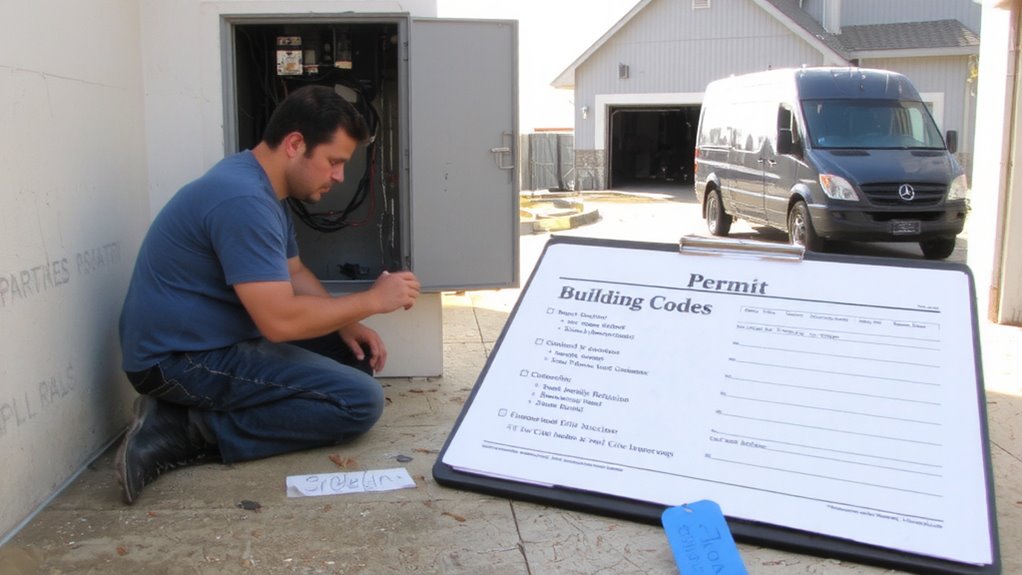
Once you’ve reviewed your city’s building codes and understand the rules for your property, the next step is to pull permits before you start renovating. Skipping the permit process can delay your renovation timeline and lead to fines. Permits guarantee your work meets safety standards and passes final inspections. Below is a quick guide to common permits:
| Project Type | Typical Permit Needed |
|---|---|
| Electrical upgrades | Electrical permit |
| Bathroom remodel | Plumbing and building |
| New windows | Building permit |
| Kitchen remodel | Building and electrical |
| Deck addition | Structural permit |
Apply early-processing can take days or weeks. Factor permit approval time into your renovation timeline. Most cities offer online applications, making the permit process faster. Keep permits visible at the job site. Inspectors will check them before approving work. Following these steps keeps your project legal, safe, and on schedule.
Hire Contractors Who Know Local Codes
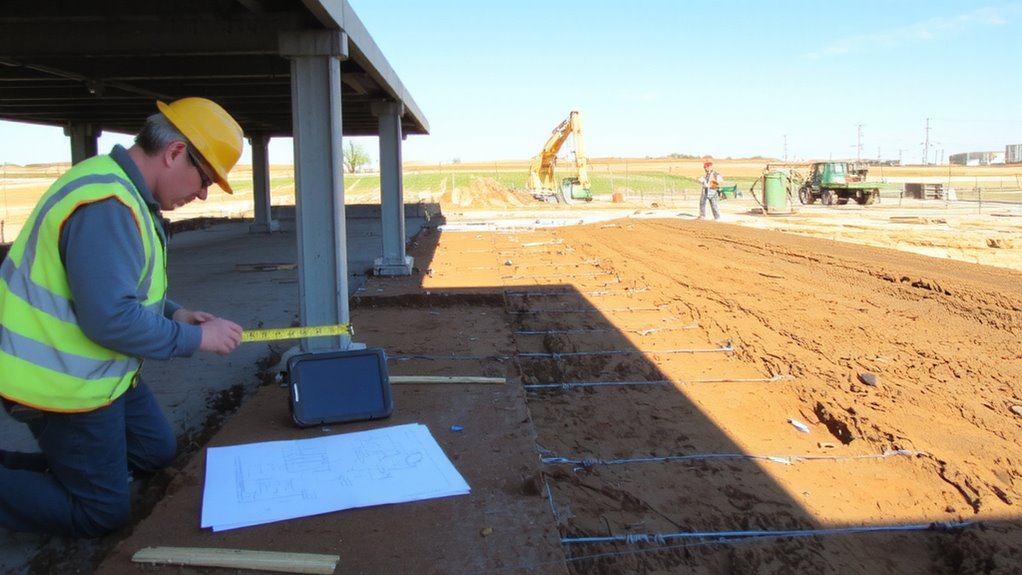
While building codes can vary greatly from one municipality to another, hiring a contractor familiar with your area’s regulations helps guarantee your project stays compliant and avoids costly delays. You’ll benefit from their code familiarity, ensuring work meets current standards without revisions or failed inspections. Always verify contractor licensing, as it confirms they’ve met baseline training and legal requirements. Licensed pros are more likely to stay updated on regional changes, reducing your risk of violations. Unlicensed workers might offer lower rates, but the savings aren’t worth potential fines or rework. Check with your local building department to confirm licensing status and review past inspection results, if available. Choosing a qualified contractor protects your investment and ensures safer installations. It’s a vital step after pulling permits and before any work begins.
Get Electrical and Plumbing Up to Code
If you’re renovating or building, making sure your electrical and plumbing systems meet current code isn’t just a legal requirement-it’s essential for safety and long-term value. Your electrical system must include proper electrical grounding to protect against shocks and prevent fire hazards; without it, appliances and wiring are unsafe during faults. Licensed electricians should verify all circuits, panels, and outlets comply with local standards. For plumbing, correct plumbing vent stringstream waste flows efficiently and stops dangerous sewer gases from entering your home. Vents also prevent water traps from siphoning, which maintains fixture seals. Improper venting can lead to slow drains or foul odors. Always use permitted materials and schedule inspections both before walls close and after final installation. Permit costs typically range $100–$300, but skipping them risks failed inspections, costly rework, or liability.
Build Foundations and Beams to Code
A solid home starts with a strong foundation-literally. You must build foundations and beams to code to guarantee structural integrity and proper load capacity. Use concrete footings sized to local soil conditions, and follow depth requirements to prevent shifting in freeze-thaw cycles. Reinforced concrete walls or pier-and-beam systems should align with engineering specs for your area. Steel beams need proper anchoring and corrosion protection. Wooden beams must be pressure-treated and supported at calculated intervals. Undersized beams or poor footing can compromise safety and lower property value. Always refer to local code tables for minimum dimensions and material grades. Overbuilding slightly can add durability without major cost increases. Correct materials and precise installation guarantee long-term performance. This isn’t a place to cut corners-your entire structure depends on it.
Schedule Inspections Without Delays
Since failing to schedule inspections on time can halt your project and lead to costly rework, you need to plan each visit well in advance. Effective inspection scheduling guarantees you meet compliance deadlines without unnecessary setbacks. Check your local building authority’s requirements early, as some inspections must occur before work is covered by walls or flooring. Most jurisdictions require foundation, framing, mechanical, and final inspections, each tied to specific compliance deadlines. Mark these dates on your project timeline and confirm them a week prior. Many agencies allow online or phone scheduling, which saves time. Delays often stem from miscommunication or missed steps, so maintain a clear record of scheduled inspections and inspector feedback. Proactive planning lets you adjust workflows smoothly, avoid idle labor, and maintain momentum. Meeting compliance deadlines isn’t just about rules-it’s about keeping your project on track efficiently and affordably.
Avoid Fines With Full Compliance
When you stay fully compliant with building codes, you’re not just checking boxes-you’re protecting your investment and sidestepping costly fines that can reshape your project’s budget. Code penalties vary by location but often range from hundreds to thousands of dollars per violation, adding up quickly if inspections uncover multiple issues. You also face legal risks if noncompliant work leads to injury, property damage, or failed resale inspections. These risks can result in lawsuits or mandated corrections at your expense. Full compliance means reviewing local codes upfront, using approved materials, and hiring licensed professionals. It might cost more initially, but it reduces long-term financial and legal exposure. Document every step, including permits and inspection reports. This record protects you if questions arise later. Planning, attention to detail, and adherence to standards keep your project on track-without surprises.
On a final note
You’ll avoid costly fines and safety risks by following local building codes. Always pull permits, hire licensed contractors, and schedule inspections on time. Upgrading electrical and plumbing systems guarantees your home meets current safety standards. Building strong, code-compliant foundations protects your investment. Staying compliant isn’t optional-it’s essential for safety, legality, and resale value. Plan carefully, stick to the rules, and keep records of all approvals and inspections.