Indoor Cameras With Real-Time Alerts for Unusual Sound Detection Like Glass Breaks
You’ll want indoor cameras with built-in microphones that detect sounds in the 3–5 kHz range, where breaking glass typically occurs. Look for models like Arlo Pro 4 or Nest Cam Indoor, which use smart algorithms to analyze audio in real time and send alerts within seconds. These systems reduce false alarms by distinguishing glass breaks from similar noises, especially when placed near windows. For best results, choose a camera with high audio sensitivity, adjustable alert settings, and integration with smart home systems-features that together boost reliability. With the right setup, you’re better equipped to catch real threats fast, and there’s more to contemplate when fine-tuning your security response.
Notable Insights
- Indoor cameras with real-time glass break detection use sensitive microphones to capture sounds in the 3–5 kHz frequency range.
- Advanced algorithms analyze audio patterns instantly to distinguish glass breaks from similar household noises and reduce false alarms.
- Top models like Arlo Pro 4 and Nest Cam Indoor deliver alerts within seconds via app notifications upon detecting unusual sounds.
- Proper placement near windows and doors maximizes detection accuracy and ensures optimal audio coverage for threat identification.
- Smart integration with Alexa, Google Assistant, and alarm systems enables automated responses like alerts, lights, or sirens.
How These Cameras Hear Glass Breaking
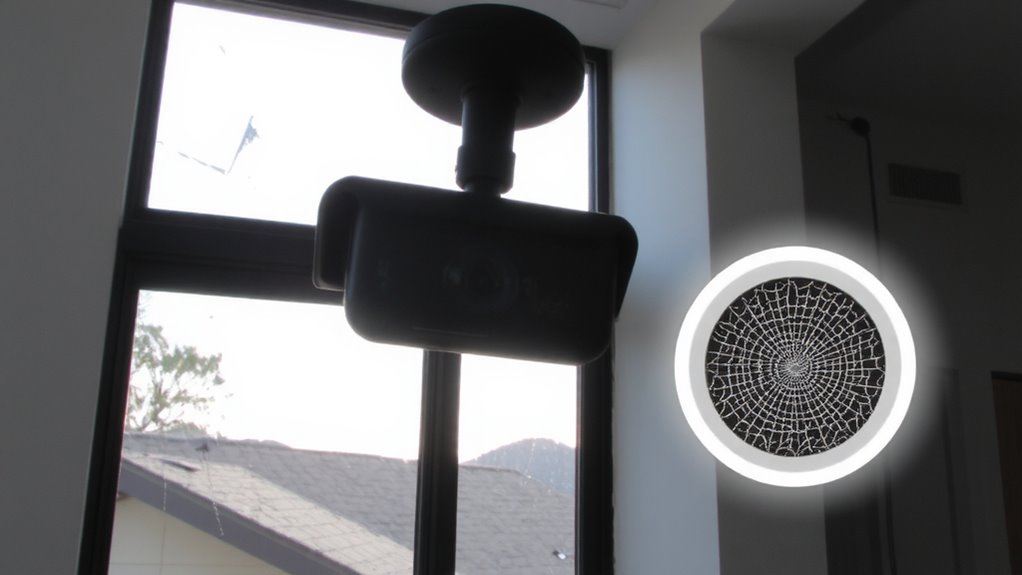
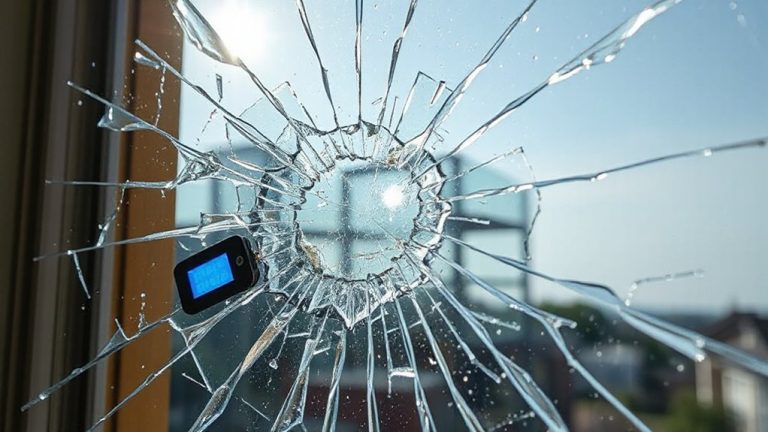
Sound detection in indoor security cameras relies on advanced microphones and intelligent algorithms to identify the specific frequency patterns of breaking glass. You’ll find these systems are tuned to recognize the unique audio frequency of shattering glass, typically between 3–5 kHz, which helps reduce false alarms. The microphone captures sound waves, and the camera’s processor analyzes them in real time. Proper sound calibration is essential-it adjusts sensitivity based on your room’s acoustics, preventing alerts from similar high-pitched noises like clinking dishes. Without calibration, you risk missed events or unnecessary notifications. Most models let you customize thresholds via an app, giving you control over responsiveness. These features work best in quiet, enclosed spaces where background noise is low. For reliable performance, choose cameras with adjustable audio frequency targeting and manual sound calibration. This guarantees accuracy without overspending on unnecessary extras. Top models offer best indoor security cameras performance with optimized sound detection and real-time alert systems.
Must-Have Features for Glass Break Detection
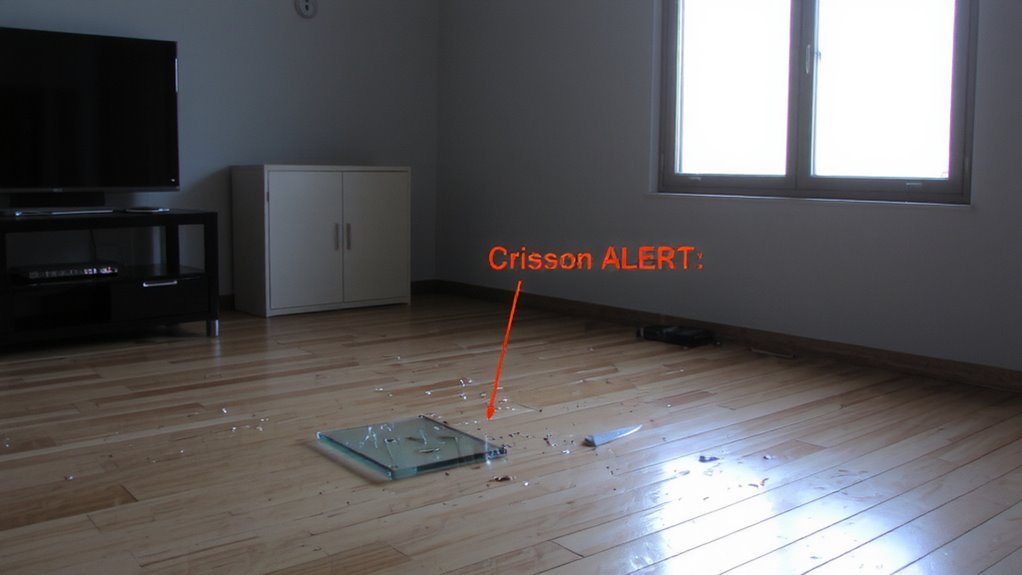
A reliable indoor camera for glass break detection should start with a high-quality built-in microphone that captures a wide audio frequency range, ideally between 3–5 kHz where glass shatters are most distinct. You’ll want strong audio sensitivity to pick up faint or distant sounds without excessive background noise. High detection accuracy guarantees the system distinguishes glass breaks from similar noises, reducing false alarms. Look for models using advanced algorithms or AI to analyze sound patterns in real time. A low false positive rate, backed by third-party testing, improves reliability. Pair this with quick alert delivery-within seconds-via app notifications. Some cameras offer sensitivity adjustments so you can fine-tune performance based on room size or ambient noise. While higher audio sensitivity increases responsiveness, it may require calibration to maintain detection accuracy. Choose a camera that balances both for consistent, trustworthy performance in real-world conditions. Many top-performing models with reliable sound detection also support continuous recording for comprehensive security coverage.
Top Indoor Cameras That Detect Breaking Glass
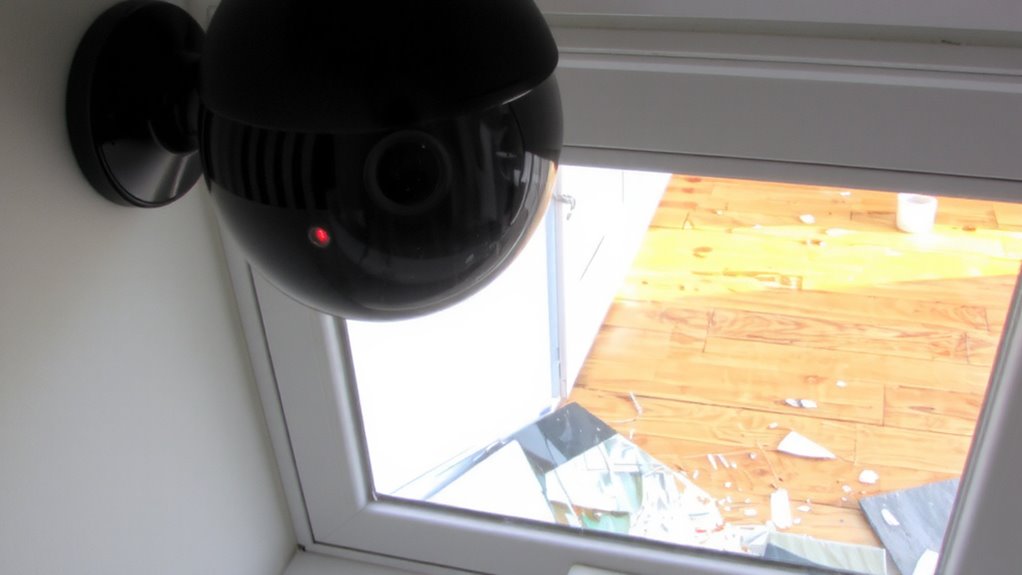
While not every indoor security camera can reliably detect broken glass, several models stand out for their accurate, real-time response to shattering windows. You’ll want a camera with a sensitive microphone and edge-based sound processing to catch the high-frequency noise of breaking glass. Models like the Arlo Pro 4, Nest Cam Indoor, and Eufy 2K Indoor pan-tilt-zoom offer strong glass break detection and deliver alerts within seconds. Proper camera placement near entry points, such as doors and large windows, increases detection accuracy. Performance can vary under poor lighting conditions, but these models rely on sound, not visuals, so low light won’t affect alerts. Each supports 24/7 recording with optional cloud storage. Expect to pay $100–$180 per unit. Consider hardwired versus battery options based on your setup. For more guidance, check out our buying guide to find the best indoor surveillance cameras for your needs.
Reduce False Alarms With Smart Sound Recognition
Because not all sounds are threats, smart sound recognition helps distinguish glass breaking from everyday noises like jingling keys or clinking dishes. You benefit from advanced audio filtering that reduces false alarms by analyzing sound frequencies and patterns unique to breaking glass. These systems learn your home’s ambient noise over time, improving accuracy. Unlike basic mics that trigger on any loud sound, smart recognition focuses only on high-risk events. Look for cameras with machine learning algorithms, as they adapt better to your environment. Audio filtering also blocks out background sounds like TVs or pets, so you’re not overwhelmed with alerts. While no system is perfect, models with strong sound recognition cut false alarms by up to 70%. This means fewer distractions and more reliable security. Investing in a camera with smart sound detection guarantees you get alerts that matter, saving time and increasing trust in your system.
Set Up Instant Break-In Alerts
You’ve already reduced false alarms with smart sound recognition, so now it’s time to guarantee you’re notified the moment a real threat occurs. Proper camera placement is essential-install units where they capture entry points like windows and sliding doors, making sure of clear audio and visual coverage. Avoid placing cameras too close to vents or appliances that create background noise. Use alert customization to fine-tune sensitivity levels and set specific times for active monitoring, like when you’re away or asleep. Most systems allow you to choose how you’re alerted-push notifications, emails, or text messages-so pick what’s fastest for you. Some apps even let you label alert types, helping you respond faster. These settings make sure of timely alerts without overload. With good planning, you boost response speed and system reliability, enhancing your home’s real-time defense.
Link Your Camera to Alexa, Google, and Home Alarms
A smart security setup gets even more effective when your indoor cameras work with voice assistants and home alarm systems. With voice integration, you can check camera feeds using simple voice commands through Alexa or Google Assistant, making monitoring hands-free and convenient. Linking your camera to a compatible smart hub allows you to trigger alarms or receive notifications when unusual sounds, like glass breaks, are detected. You can also build smart routines-for example, turning on lights or sending alerts when motion is detected after bedtime. Most major camera brands support integration with Alexa and Google, but always verify compatibility before purchasing. Keep in mind that some advanced features may require a subscription. Pairing with a home alarm system enhances response, though professional monitoring adds to monthly costs. This connectivity strengthens overall home security through automation and faster reaction times.
On a final note
These cameras use sound sensors to detect glass breaking, sending real-time alerts to your phone. Look for models with smart sound recognition to reduce false alarms and guarantee accurate detection. Most work with Alexa, Google, or home alarm systems for seamless integration. Choose ones offering cloud storage, two-way audio, and night vision. Expect to pay $100–$200 per camera, with subscription plans for advanced features. Always test sensitivity settings after setup for best results.