Teaching Household Staff and Service Providers About Your Security Protocols
You should clearly identify everyone with access to your home, including staff, cleaners, and contractors, and assign unique entry codes to track who comes and goes. Train your team to lock doors consistently, avoid propping them open, and verify guests before granting entry. Put security rules in writing, review them quarterly, and run drills to guarantee preparedness. Suspicious behavior should be reported, not confronted. A clear, updated plan keeps your household safer-knowing what comes next strengthens your defense.
Notable Insights
- Provide written security guidelines to all staff and service providers during onboarding.
- Conduct regular training on door locking routines, code usage, and guest verification protocols.
- Assign unique access codes to staff for accountability and easy revocation when needed.
- Require immediate reporting of suspicious activity without direct confrontation.
- Review and update security protocols quarterly with drills to ensure preparedness.
Identify Everyone Who Has Access to Your Home

While it might seem obvious, taking the time to list everyone who can enter your home is a critical first step in securing your property. You need to account for family members, staff, cleaners, gardeners, and contractors-anyone with keys, codes, or regular entry. This process enables effective access monitoring, helping you spot unusual patterns or unauthorized access. Implement guest verification by requiring staff to notify you before bringing anyone, even temporary helpers. Update your access list monthly. Use a secure log, either digital or paper, to track changes. The benefit? Clear oversight and reduced risk. A smart lock system can aid access monitoring with timestamps, though it costs more upfront. You’ll save long-term by preventing break-ins. Knowing who’s in your home, when, and why isn’t overkill-it’s smart planning. Stay vigilant. For automated tracking and integration with your existing setup, consider a best smart lock for Home Assistant.
Train Staff to Lock Doors & Use Entry Codes
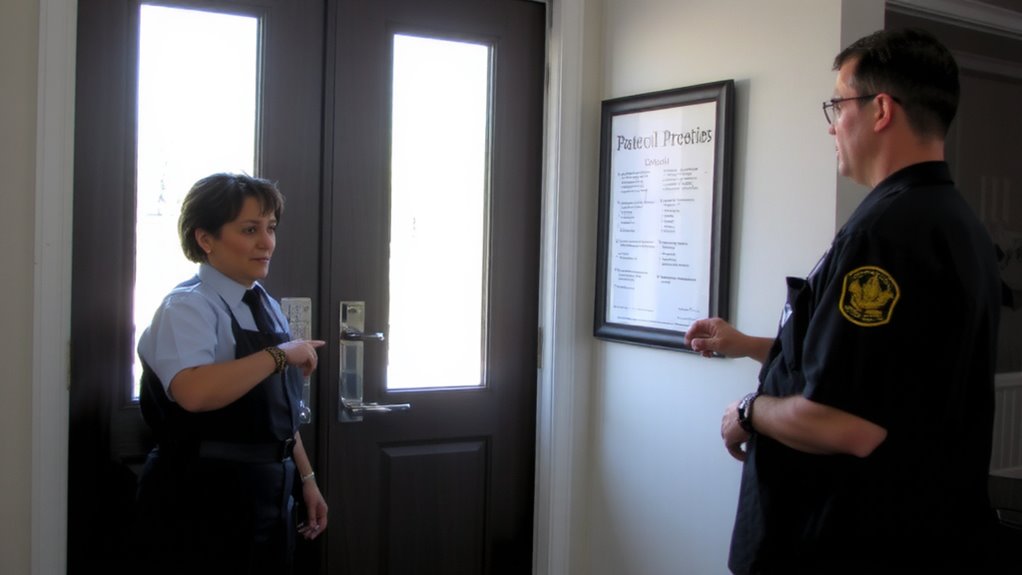
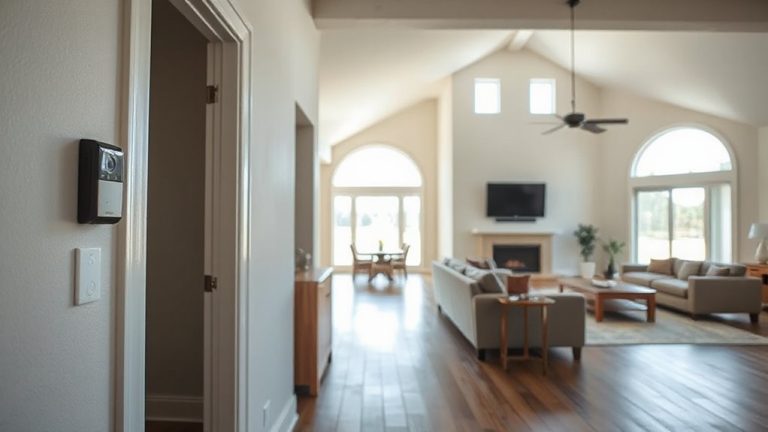
Since secure entry points are only effective when used correctly, you need to make certain your staff consistently lock doors and properly use entry codes. Train them to perform regular door checks, guaranteeing all exterior doors are secured, especially after deliveries or service visits. Emphasize correct code usage-never share personal codes, and always change temporary codes after use. Code usage should be unique per staff member when possible, so access can be tracked. Reinforce that propped-open doors compromise security, even briefly. Make door checks part of daily routines, ideally at shift changes or before leaving the property. Written reminders near entry points can help reinforce behavior. While electronic systems offer logs and alerts, they only work if staff follow protocols. Proper training reduces risk, guarantees accountability, and strengthens overall home security without relying on constant oversight. Integrating best home security cameras can provide additional visual verification that doors are being properly secured.
Write Clear Rules for Home Security

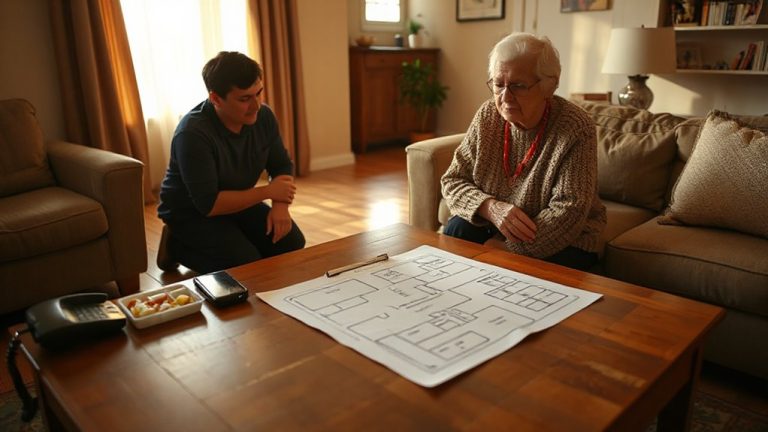
A solid set of rules is the backbone of any effective home security plan. You must create clear, written guidelines all staff can follow. Specify when doors should be locked and how entry codes are used daily. Require guest verification for every visitor-no exceptions. Staff should confirm identities and purposes before granting access. Maintain access logs to track who enters and exits, including times and reasons. These logs help identify patterns and potential security gaps. Print copies of the rules and post them in common work areas. Review them during onboarding and quarterly after that. Written rules reduce confusion and guarantee consistency. They also support accountability, showing staff exactly what’s expected. Clear policies on guest verification and access logs strengthen your security without requiring expensive upgrades. Simple, enforced procedures are more effective than advanced systems with poor compliance. Document everything-you’ll find it valuable during audits or incidents.
Teach What to Do About Suspicious Activity
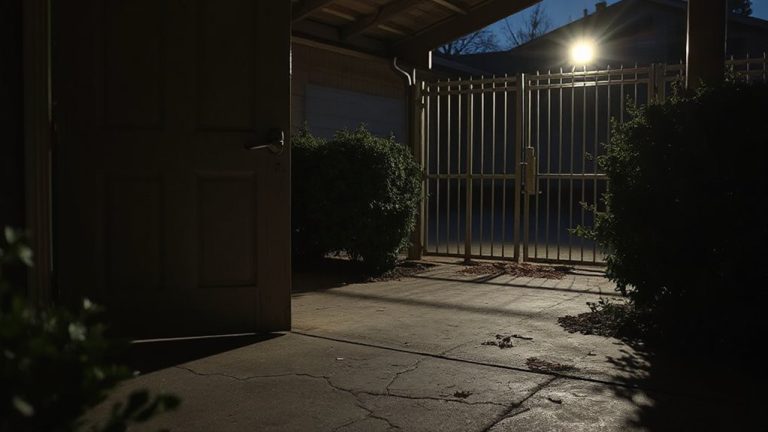
What would you do if you noticed someone lingering near a back entrance, peering into windows, or asking unusual questions about the household’s routine? You must respond promptly to any suspicious activity. Do not confront the person-instead, alert the homeowner or security contact immediately. If you need to engage, verify identities of unknown individuals by asking for identification and cross-checking with your list of approved service providers. Never share household routines or personal details with strangers. Use secure communication methods like coded messages or verified phone numbers when reporting concerns. Training staff to recognize and report red flags reduces risk. Written protocols improve response times and prevent confusion. Remember: quick, calm action protects everyone. Responding early is more effective than reacting after an incident. Stay alert, stay cautious, and always follow the established procedures.
Review Security Protocols Regularly
You’ve learned how to respond to suspicious activity, but keeping a secure household means going beyond immediate reactions. Regularly reviewing security protocols guarantees everyone stays prepared and informed. Schedule quarterly protocol refreshers so staff remember their roles and any updates to procedures. These sessions reinforce expectations and clarify responsibilities. Include emergency drills at least twice a year-practicing scenarios like intrusions, fires, or medical incidents helps staff respond quickly and correctly under pressure. Drills improve coordination and reveal gaps in the current plan. Guarantee all providers, including part-time workers, attend these reviews and drills. Use the time to assess what’s working and where improvements are needed. Written summaries of each review help maintain consistency. Regular evaluation doesn’t just build confidence-it strengthens your home’s overall safety. Staying proactive now prevents oversights later.
Keep Security Training Simple and Ongoing
Consistency matters more than complexity when it comes to security training. You don’t need elaborate programs-simple, repeatable routines work best. Use daily drills to reinforce key actions, like verifying visitor identities or locking entry points. These brief practices build muscle memory and guarantee everyone responds correctly under pressure. Pair drills with visual reminders, such as checklist posters near doors or labeled buttons on alarm systems, to support quick recall. Ongoing training keeps protocols fresh, especially when new staff join or routines shift. Schedule short monthly refreshers to review procedures and address gaps. Simple training is more sustainable and easier to update than complicated systems. While basic programs save time and reduce confusion, they require commitment to follow-through. Invest in consistency, and your household stays better protected with less effort over the long term.
On a final note
You strengthen home security by training everyone with access, from staff to service workers. Make sure they lock doors, use entry codes correctly, and follow clear rules. Teach them to report suspicious activity promptly. Review protocols regularly and keep training simple and ongoing. Written guidelines and routine check-ins improve compliance. Consistent practice, not complexity, creates real protection.