Creating a Home Safety Plan for Families With Alzheimer’s or Dementia Patients
You can cut preventable accidents by up to 50% by adjusting your home for memory loss and confusion. Secure loose rugs, improve lighting with motion-sensor bulbs, and remove clutter to reduce falls. Install grab bars, non-slip mats, and childproof locks in bathrooms and kitchens. Use smart locks ($100–$300) and door alarms to prevent wandering. Pair automation like motion alerts with daily routines and medication reminders. A clear, consistent plan keeps everyone safer-and there’s more to contemplate for long-term safety.
Notable Insights
- Install grab bars and non-slip mats in bathrooms to reduce fall risks and improve stability.
- Use childproof latches and secure sharp objects in the kitchen to prevent accidents.
- Eliminate tripping hazards by removing loose rugs and clutter, and securing cords.
- Install smart locks and motion-sensor lights to control access and improve nighttime safety.
- Establish routines and use pill organizers with alarms to support medication management and daily structure.
Understand Alzheimer’s Impact on Home Safety
Every year, thousands of people living with Alzheimer’s disease experience preventable accidents at home-falls, burns, wandering incidents-because their environment hasn’t been adjusted to match their changing abilities. You’re likely seeing memory loss and behavioral changes that make familiar spaces risky. Forgetfulness might cause someone to leave the stove on or misplace items needed for safety. Agitation or confusion can lead to wandering or accidental injuries. These symptoms aren’t just inconvenient-they directly affect home safety. Research shows that cognitive decline increases fall risk by up to 50%. You need a proactive plan that accounts for these evolving challenges. Start by evaluating how memory loss impacts daily routines and where behavioral changes create hazards. Simple, evidence-based modifications-like securing sharp objects or installing locks out of sight-reduce risks markedly. Understanding these impacts helps you create a safer, more supportive environment without waiting for an incident to occur.
Find and Fix Hidden Home Hazards
You now know how memory loss and behavior changes raise the risk of accidents at home, so it’s time to take action by identifying less obvious dangers that could lead to harm. Start by removing loose rugs, which can easily bunch or slip and increase fall risk. Secure floor coverings with non-slip pads or replace them with fixed alternatives. Poor lighting is another key hazard-dim areas can confuse someone with dementia and make navigation harder. Install brighter bulbs, especially in hallways, stairwells, and entrances, and use nightlights in bathrooms and bedrooms. Consider motion-sensor lights for hands-free illumination at night. Check for clutter, electrical cords, and uneven surfaces throughout the home. These small fixes greatly reduce accident risks. Regular home assessments help catch new hazards early. Prevention through environmental tweaks is proven to enhance safety and independence for longer.
Make Kitchens and Bathrooms Safer
Because kitchens and bathrooms pose some of the highest risks for people with Alzheimer’s or dementia, making these areas safer is a critical step in any home safety plan. Start by installing non slip mats in the bathtub, shower, and near sinks to reduce fall risks-these simple additions are inexpensive and effective. Secure cabinets with childproof latches to keep hazardous items like cleaners or sharp tools out of reach. This prevents accidental ingestion or injury. Use grab bars near toilets and in showers for added stability. Turn down the water heater to 120°F to prevent scalding. Remove small rugs that could trip someone, and keep pathways clear. Make sure lighting is bright and consistent. Non slip mats cost under $20, and cabinet locks run $10–$15. These small changes markedly reduce accident risks over time.
Stop Wandering With Smart Entry Controls
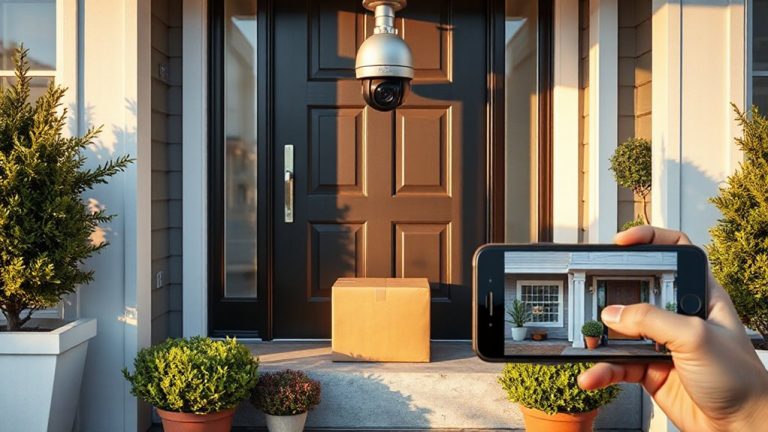
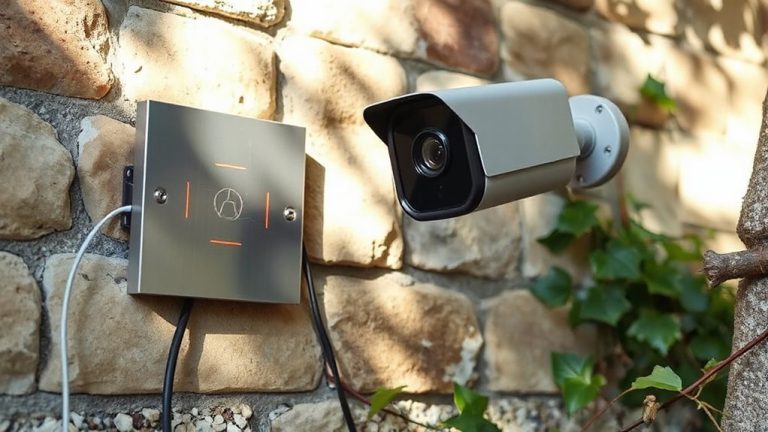
A secure home environment often depends on reliable entry controls, especially when preventing wandering in individuals with Alzheimer’s or dementia. Smart locks let you manage access remotely and can alert you if a door opens unexpectedly. These devices integrate with home security systems and offer timed access or temporary codes for caregivers. Combined with motion alerts, they provide real-time updates if movement occurs near exits during risky times, like late at night. Motion alerts detect activity and can notify you instantly via smartphone apps. While smart locks range from $100 to $300, with some requiring professional installation, they offer reliable monitoring. Guarantee your Wi-Fi signal covers entry points for consistent performance. Some models work with voice assistants, adding convenience. Test systems regularly and keep backup keys accessible. These tools won’t stop all wandering, but they improve response time, giving you peace of mind. Top options include the best smart locks for seamless integration and user-friendly features.
Add Hands-Off Safety Devices
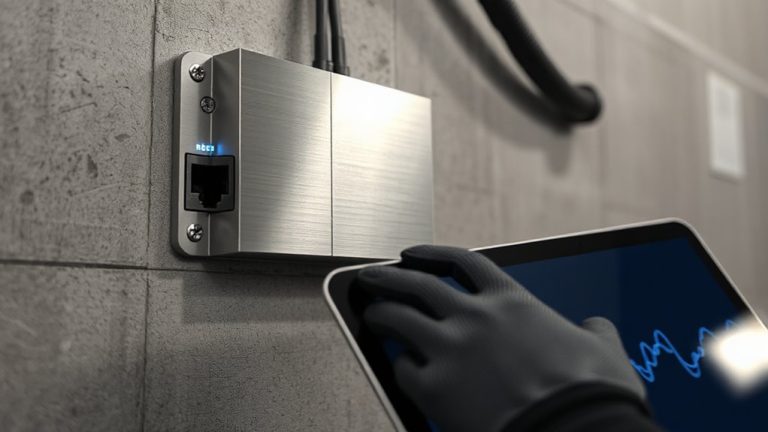
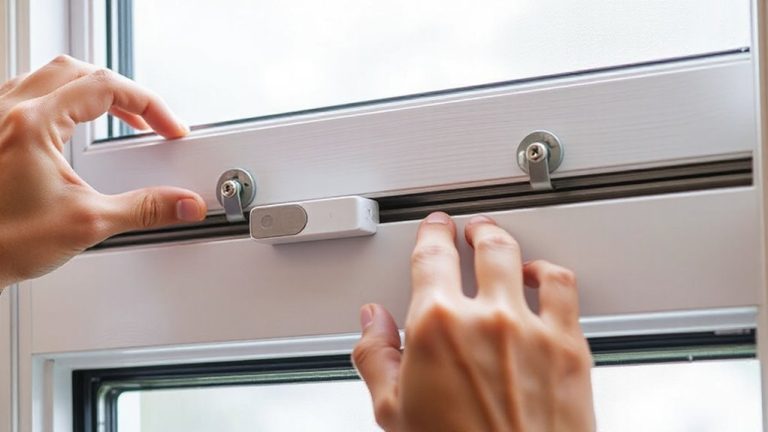
While constant supervision isn’t always possible, hands-off safety devices can help reduce risks by automatically detecting or preventing hazardous situations. Motion sensors can alert you if your loved one moves into restricted areas, like the kitchen or garage, especially at night. They’re reliable, affordable, and easy to install, usually costing under $50 per unit. Door alarms notify you if an exterior or stairway door opens unexpectedly, helping prevent wandering. Most run on batteries and make a loud sound or send phone alerts. Pair them with smart entry controls for better coverage. Though false alarms can happen, placing sensors carefully reduces errors. These devices don’t replace supervision but add reliable layers of protection. They’re most effective when used consistently and checked monthly. With smart placement and routine testing, motion sensors and door alarms offer practical, data-backed ways to maintain safety at home. Some of the most reliable options integrate seamlessly with Home Assistant-compatible sensors for enhanced automation and monitoring.
Simplify Layouts to Prevent Confusion
Familiar spaces can become confusing when memory fades, so rethinking your home’s layout helps reduce anxiety and prevent accidents. Start by creating open spaces-remove clutter, rearrange bulky furniture, and avoid patterned rugs that may cause visual confusion. Clear pathways between rooms are essential; keep walkways at least 36 inches wide to allow safe, unobstructed movement. Avoid frequent layout changes, as even small shifts can disorient someone with dementia. Use consistent lighting to minimize shadows and improve depth perception. Research shows that predictable environments reduce agitation and wandering. Open spaces also let you monitor movement without direct supervision, supporting independence. Consider removing thresholds between rooms to maintain smooth connections. Aim for simplicity-labeling doors isn’t enough if the path to them is unclear. Prioritize function over decor, and test navigation routes yourself while moving slowly. Each adjustment may lower fall risks by up to 30%, according to home safety studies.
Build a Daily Routine and Team Plan
Three out of four caregivers report that a consistent daily routine improves mood and reduces confusion in loved ones with dementia, so building a predictable schedule is one of the most effective ways to support cognitive function and safety at home. You should plan activities at the same time each day-meals, walks, and personal care-to reduce anxiety and resistance. Include medication management in your routine by using pill organizers and set phone alerts to guarantee doses aren’t missed. Assign family members or professional caregivers specific roles and hours to maintain consistency and prevent burnout. Share a written copy of the daily plan with everyone on the team. You’ll also strengthen emergency preparedness by conducting monthly check-ins to review evacuation steps and update contact lists. A clear routine with defined responsibilities improves safety, accountability, and peace of mind for everyone involved-including you.
On a final note
You can reduce risks by addressing common hazards and using simple safety upgrades. Install motion sensors, secure cabinets, and add grab bars where needed. Smart locks help prevent wandering, while open floor plans reduce confusion. A consistent routine supports independence and safety. Work with caregivers to assign roles and update the plan regularly. Most changes are low-cost and effective when based on observation and expert guidance.