How to Install Security Systems in Historical Homes With Preservation Constraints
Start by checking local preservation rules and consulting a preservation officer to avoid fines or required reversals. Choose wireless systems ($200–$500) with adhesive sensors and battery-powered hubs to prevent wall damage. Use peel-and-stick mounts on entry points and test adhesives first. Opt for mesh networks to boost signal through thick walls. Position hubs near outlets and select finishes that blend with historic details-more details follow.
Notable Insights
- Consult a preservation officer early to understand restrictions and gain approval for security upgrades.
- Use wireless systems to avoid damaging historic walls and maintain structural integrity.
- Install sensors with adhesive mounts or low-residue strips to protect original surfaces.
- Choose mesh-networking devices to overcome signal issues caused by thick masonry walls.
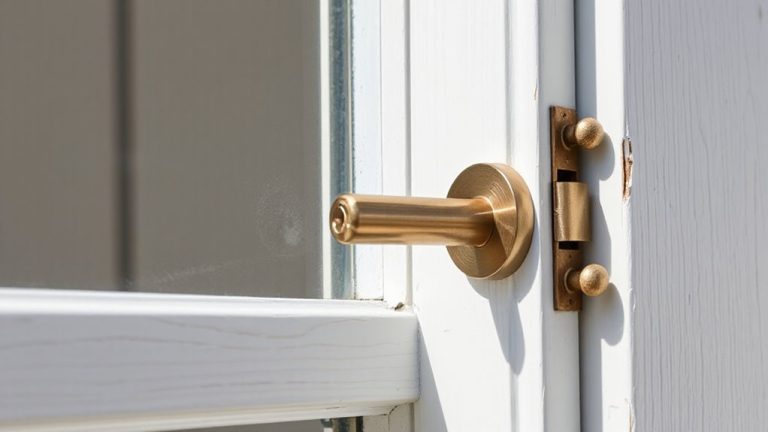
- Select security hardware with finishes that blend with historic woodwork for aesthetic compatibility.
Know Historic Preservation Rules First
Before you start upgrading your historical home’s security, it’s smart to check local preservation guidelines-many areas restrict modifications that alter a building’s appearance. You’ll want to understand how historic tax credits and adaptive reuse laws apply, since they can affect what upgrades you’re allowed to make. Historic tax credits often require that any changes maintain the home’s original character, limiting visible installations like cameras or modern alarms. Adaptive reuse laws may allow more flexibility, especially if your home serves a new function, but still require approval for structural or aesthetic changes. Violating these rules can result in fines or forced reversals. Planning ahead saves time and money. Research your city’s historic district commission policies early, and keep all documentation. Knowing these regulations guarantees your security improvements comply while preserving eligibility for financial incentives.
Consult A Preservation Officer Before Upgrading
While you’re planning security upgrades, reaching out to a preservation officer early can save you time and prevent costly mistakes. They’ll help you interpret preservation guidelines specific to your home’s age, style, and historical designation. Skipping this step could lead to violations, fines, or being forced to remove installed equipment. Heritage compliance isn’t optional-it’s a legal requirement in many areas, especially for homes in registered districts or those receiving public funding. The officer can clarify where you can place sensors, cameras, or wiring without altering protected features. They might also suggest approved materials or installation methods that protect your home’s integrity. Getting written approval before work begins strengthens your records and guarantees smoother inspections. This consultation doesn’t guarantee instant permission, but it does provide clear boundaries, helping you design a system that meets both security needs and preservation standards effectively and efficiently.
Choose Wireless Security Systems For Older Homes
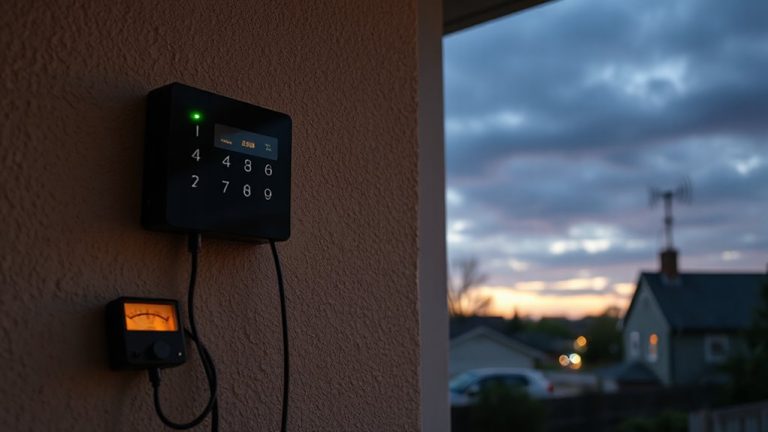
Since older homes often have thick masonry walls, intricate woodwork, or historically protected surfaces, running wires for a security system can damage key features and violate preservation rules-making wireless systems a smarter, code-friendly choice. You’ll want to assess signal strength and battery life carefully, as older construction can interfere with Wi-Fi and access to outlets may be limited. A strong signal guarantees consistent monitoring, while longer battery life reduces maintenance and avoids frequent replacements near delicate surfaces. Consider reviewing the best wireless surveillance camera systems to identify reliable wireless camera systems that meet the unique demands of historical homes.
| Feature | Benefit |
|---|---|
| Wireless Sensors | No wall damage or drilling needed |
| Strong Signal Strength | Reliable alerts and system response |
| Extended Battery Life | Fewer changes, less disruption |
Choose systems with mesh networking to boost signal strength through thick walls. Opt for models with low-battery alerts so you can plan replacements without compromising security. Most wireless systems are DIY-friendly and cost between $200–$500, offering a practical, preservation-safe solution.
Add Entry Sensors Without Drilling
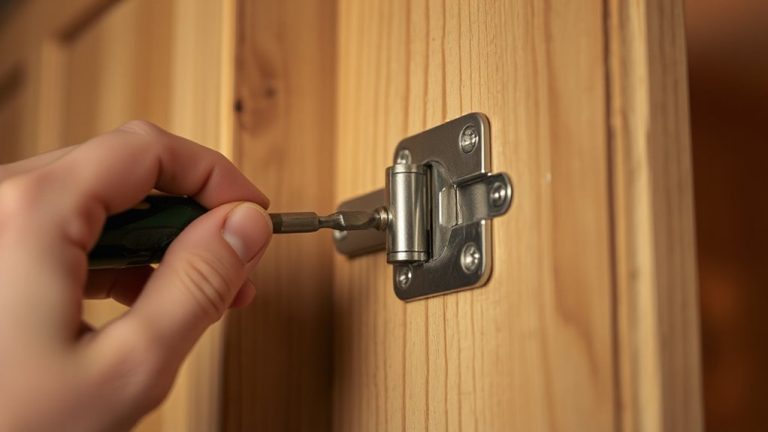
You’ve chosen a wireless system to protect your historical home without compromising its integrity, and now you can take the next step by adding entry sensors that don’t require drilling. These sensors use adhesive mounting, which securely attaches devices to door and window frames with strong, low-residue strips. Surface bonding guarantees a durable connection without damaging original wood or trim. Most systems work with standard peel-and-stick installations, holding firmly in place under daily use. Adhesive mounting typically lasts several years, though extreme temperatures may reduce effectiveness. Test the bond in a discreet area first, especially on delicate or painted surfaces. Replacements are inexpensive, and installation takes minutes. This method preserves architectural details while enhancing security. Always follow manufacturer instructions for surface preparation and alignment. It’s a practical, reversible upgrade that maintains historical accuracy and meets preservation standards. Overall, drilling-free sensors offer a reliable, non-invasive option for sensitive environments.
Connect To Smart Hubs Without Damaging Walls
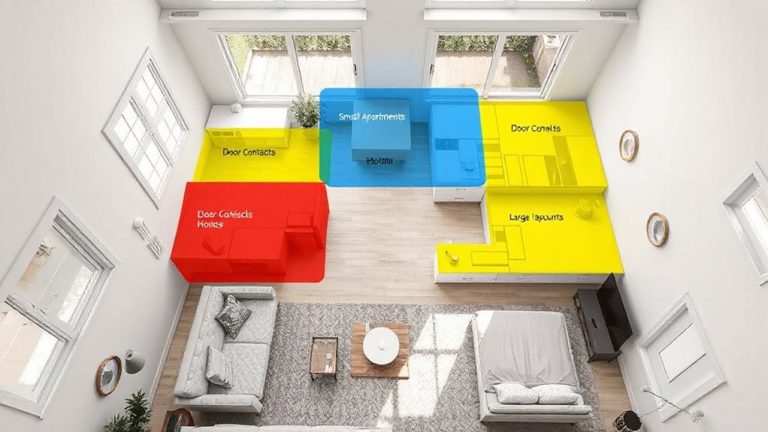
If you’re looking to integrate your security system with a smart hub, you don’t need to run wires or cut into walls to get reliable performance. Wireless hubs use secure radio signals or Wi-Fi, letting you place them almost anywhere without damaging historic surfaces. Opt for models with Bluetooth or Z-Wave support, which offer stable connections and low interference. These systems often pair effortlessly with sensors and locks already installed. Smart design guarantees components blend with interior aesthetics, avoiding modern eyesores. Choose finishes that match woodwork or molding for better aesthetic integration. Battery-powered hubs last years and are easy to reposition. Some require a central outlet, so plan placement near existing power sources without adding new wiring. Monthly costs, if any, are minimal. With proper setup, wireless hubs deliver strong functionality while preserving your home’s character. Consider starting with a top smart home device to ensure compatibility and ease of use in your preservation-friendly setup.
Hide Security Cameras In Plain Sight
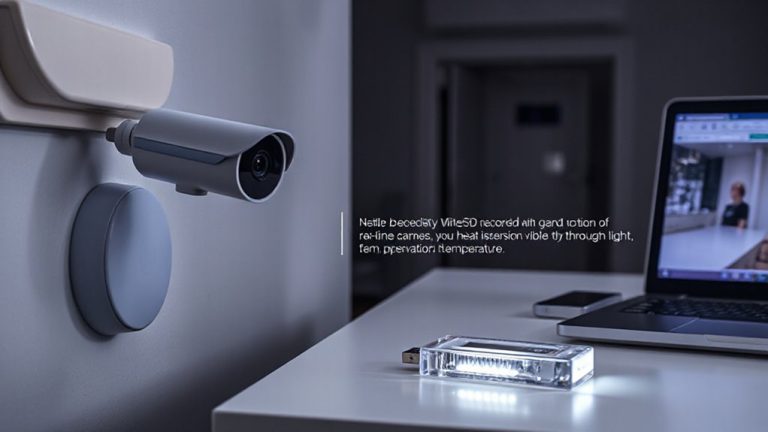
While maintaining the charm of your historical home, you can still achieve effective surveillance by placing security cameras where they’re visible but blend into the surroundings. This approach relies on stealth design-cameras shaped like light fixtures, doorbells, or weather vanes that match your home’s era. Vintage integration means selecting finishes and styles that mirror existing architectural details, such as brass casings or wrought-iron mounts. These subtle yet strategic placements deter intruders without drawing attention. Many models offer Wi-Fi connectivity and motion alerts while fitting preservation standards. For best coverage, place one near the front entrance and another at a rear access point. Most stealth cameras cost $80–$150 each, with battery or low-voltage options reducing wiring needs. Proper positioning guarantees functionality without compromising aesthetics, meeting both security needs and historical guidelines effectively. Consider using best dummy cameras for non-functional areas to enhance the illusion of comprehensive monitoring.
On a final note
You should always check local preservation rules before installing security systems in historic homes. Wireless options reduce damage, with entry sensors and smart hubs that avoid drilling. Conceal cameras in decorative fixtures to maintain aesthetics. Consult a preservation officer early to guarantee compliance. These steps protect your home without sacrificing security or historical integrity, offering reliable, non-invasive solutions that meet both safety and regulatory needs effectively.