Designing a Layered Approach: Combining Physical Barriers With Electronic Alarms
You’re safer when physical barriers like reinforced doors and fencing work with electronic alarms, because together they slow intruders and speed up detection. Use solid-core doors ($200–$1,000), window bars, and 6–8 ft fencing to delay entry. Pair them with monitored alarms (like Ring or SimpliSafe, $20–$40/month) that have cellular backup and pet-friendly sensors. Sync systems to a single app for faster alerts, and encrypt data to prevent hacking. Upgrading every 12–18 months keeps your setup effective as new threats emerge. There’s more to optimize based on your home’s layout and risk level.
Notable Insights
- Combine reinforced doors and security fencing with electronic alarms to create multiple layers of intrusion resistance.
- Use smart sensors on doors and windows to trigger alarms only after physical barriers are breached, reducing false alerts.
- Integrate dual-frequency alarm systems with cellular backup to maintain communication during Wi-Fi outages or jamming attempts.
- Sync cameras, access controls, and alarms through a single encrypted platform for real-time monitoring and rapid response.
- Conduct risk assessments every 12–18 months to upgrade systems with AI surveillance, smart locks, and glass-break detectors.
What Is a Layered Security Approach?
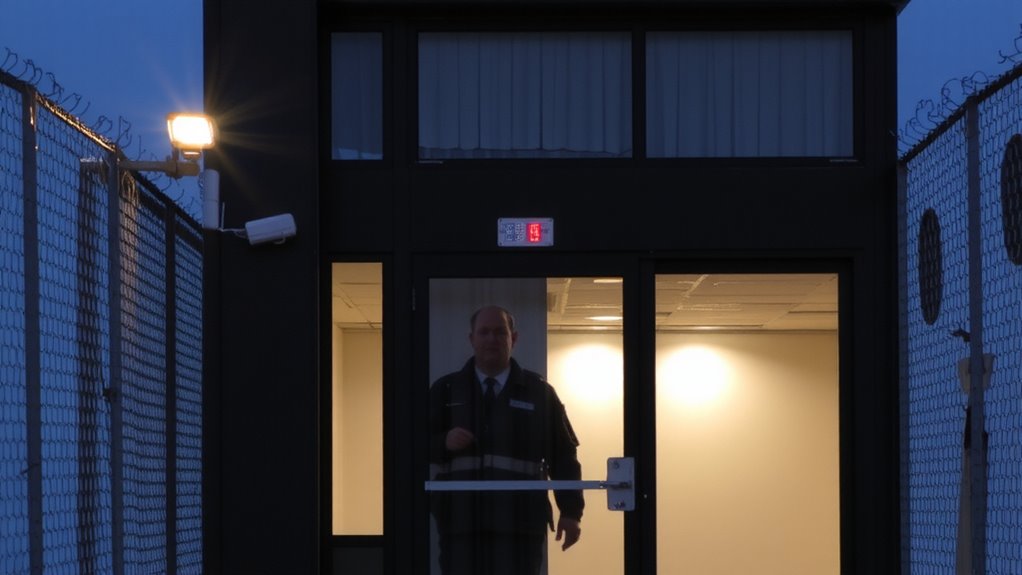
While no single security measure can guarantee complete protection, combining physical barriers and electronic alarms in a layered approach greatly reduces the risk of a break-in. You create multiple obstacles that slow down or stop intruders. Think of it like stacking defenses-each layer adds more security. Relying on isolated systems, like a lock alone or just a motion sensor, limits effectiveness. These setups often have limited redundancy, so if one part fails, the whole system can collapse. A better strategy uses both strong doors and windows plus alarms, cameras, and sensors that work together. This integration means if a criminal bypasses the door, the alarm still triggers. It’s proven to increase detection and delay entry. Plan your layout carefully-place sensors at entry points and use monitored systems when possible. Prices vary, but even basic layered setups improve safety more than standalone options. Adding best dummy cameras can further enhance the deterrent effect without the cost of fully functional systems.
Why Combine Physical and Electronic Security?
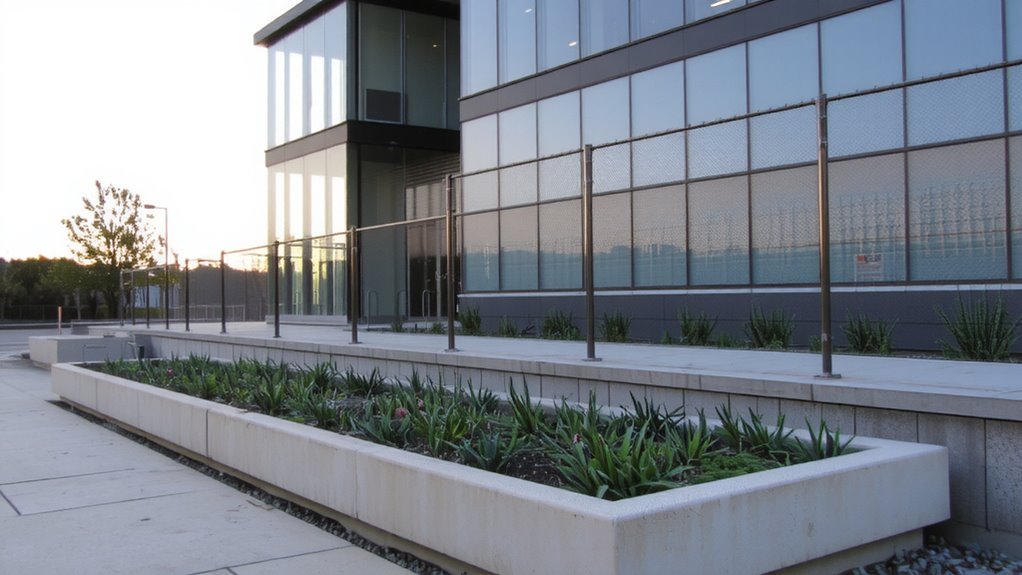
Because physical barriers and electronic alarms serve different but complementary roles, combining them gives you a stronger defense than either could alone. You get security redundancy-so if one layer fails, another stands ready. A locked door slows intruders, while an alarm alerts you and authorities during threat escalation. Together, they reduce response time and increase deterrence. Physical barriers delay access, giving electronic systems time to detect and respond. Sensors on doors and windows trigger alarms only after the barrier is challenged, reducing false alerts. This layered approach is proven: homes with both locks and monitored alarms face lower break-in rates. While installation costs more upfront, the investment improves long-term safety. You’ll need both maintenance and testing to keep systems reliable. Choose components that work together-like reinforced doors with contact sensors-for seamless protection. You’re not just blocking entry; you’re creating a responsive, intelligent defense. A top security door stopper can enhance the physical barrier by providing extra resistance against forced entry.
Best Physical Barriers for Intrusion Deterrence
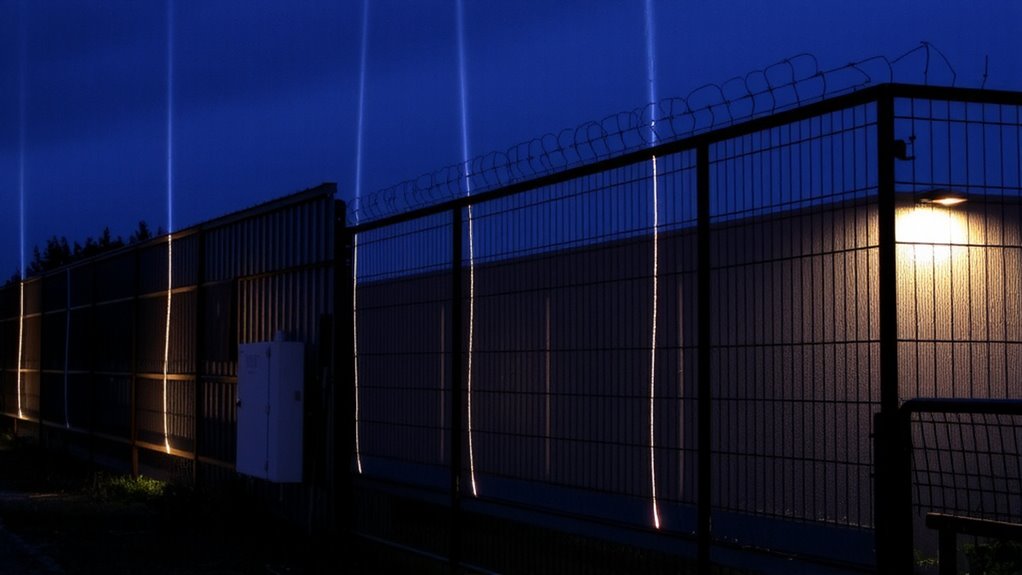
Strength begins at the perimeter, where solid construction meets smart design. You need physical barriers that resist forced entry and delay intruders long enough for electronic systems to respond. Security fencing made of steel or chain link with reinforced posts acts as your first deterrent. Combine it with reinforced doors featuring solid cores and strike plates bolted deep into wall framing to boost protection. Top-tier door lock brands like Schlage and Kwikset offer deadbolt lock options that enhance the security of reinforced doors.
| Barrier Type | Key Features |
|---|---|
| Security fencing | 6–8 ft height, anti-climb design |
| Reinforced doors | Steel or solid wood, multi-point locks |
| Window bars | Steel frames, removable for exits |
Choose fencing with a corrosion-resistant finish and doors with at least a 20-gauge steel frame. While costs vary-fencing averages $15–$45 per linear foot and reinforced doors $200–$1,000-these investments reduce break-in risks markedly.
Top Alarm Systems in a Layered Security Setup
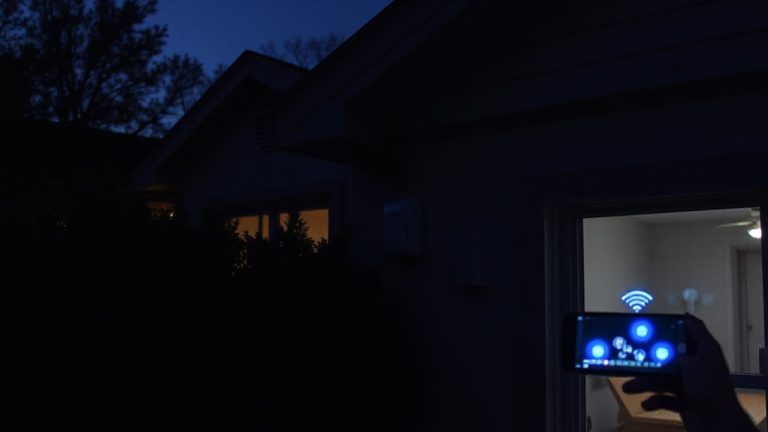
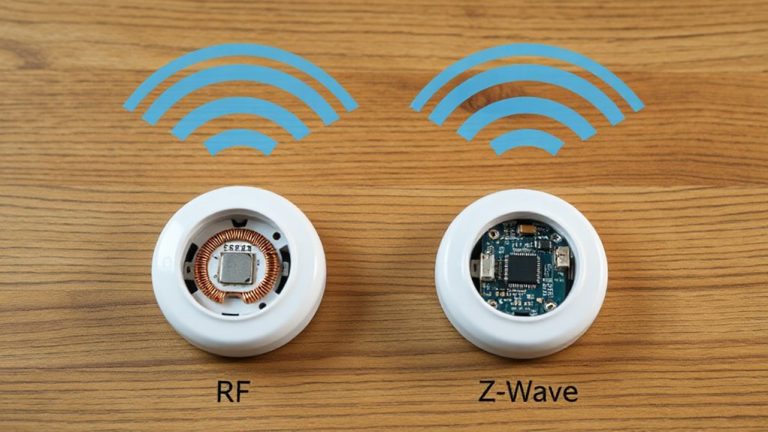
What makes an alarm system truly effective in a layered security plan? It’s not just about loud sirens-it’s reliability, integration, and resistance to threats like false alarms and signal jamming. Systems with dual-frequency communication (cellular and Wi-Fi) reduce jamming risks, ensuring alerts reach monitoring centers. Look for smart sensors that distinguish between pets and people to cut down on false alarms. Top models, like those from Ring and SimpliSafe, offer geofencing and instant mobile alerts. Professional monitoring, while adding $20–$40 monthly, boosts response times. Avoid basic systems lacking encryption; they’re vulnerable to hacking. Invest in self-contained units with battery backups to stay operational during outages. Prioritize ease of setup and clear app interfaces. When combined with solid physical barriers, these alarms reinforce weak points without overcomplicating your setup.
Sync Alarms, Cameras, and Access Control
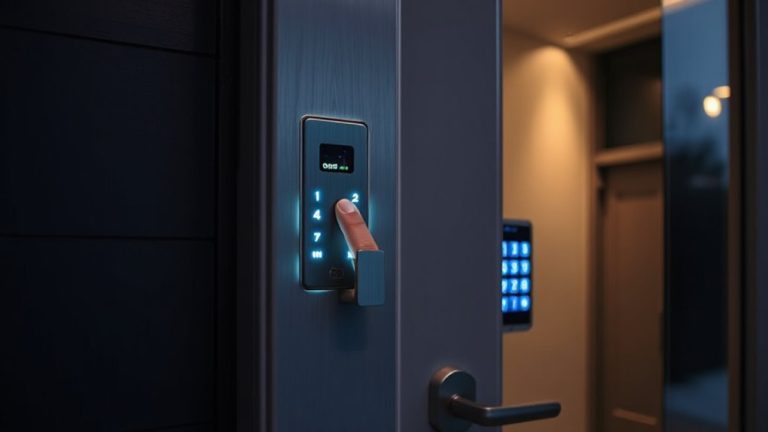
You’ve already got a solid alarm system in place, but true security gains momentum when that system works alongside cameras and access control. Syncing these components lets you receive real time alerts when a door is forced open or an unauthorized entry is attempted. Your cameras immediately start recording, while access logs show who entered and when. With remote monitoring, you can view live footage, lock doors, or silence false alarms from your phone, no matter where you are. Integrated systems often use a single app, reducing confusion and response time. Most modern platforms support smart home compatibility, but check for subscription fees tied to cloud storage or remote access. Initial setup costs range from $300–$800, depending on scale. Choose systems with encryption and two-factor authentication to protect data. A synced setup doesn’t prevent all threats, but it markedly improves detection, response, and evidence collection.
Fix Common Layered Security Gaps
How secure is your home really when a single weak point can undermine an entire layered defense? You might have strong locks and alarms, but gaps like poor blind spot coverage or weak response coordination can leave you vulnerable. Closing these flaws guarantees each layer works as part of a unified system. Check these common security gaps:
| Issue | Solution |
|---|---|
| Camera blind spots | Add wide-angle or corner mounts |
| Delayed alarm response | Link to monitored service |
| Uncoordinated entry alerts | Sync access control with alarms |
| Poor lighting at entry points | Install motion-sensor lights |
| Missing indoor motion detection | Add internal sensors |
Upgrade devices that lack integration, and verify all components communicate in real time. Good blind spot coverage stops intruders from hiding outside view. Effective response coordination guarantees alarms trigger fast, appropriate actions-whether notification, recording, or dispatch. Test monthly.
Build a Future-Proof Layered Security Plan
While today’s security systems offer robust protection, planning for future threats means choosing technology that adapts as risks evolve. You’ll need to conduct regular threat modeling and risk assessment to stay ahead. Start by identifying likely vulnerabilities in your home’s layout and existing defenses. Use that data to prioritize upgrades-like smart locks, motion-sensor lighting, or glass-break detectors-that integrate easily with future tech. Choose systems with open-platform software so they work with new devices. Wireless alarms are easier to update than hardwired ones, but they depend on battery life and signal strength. Invest in scalable surveillance that supports cloud storage and AI detection to reduce false alarms. A layered plan should balance upfront cost with long-term flexibility. Reassess your strategy every 12 to 18 months. Future-proofing isn’t about buying the most expensive gear-it’s about building a responsive, data-driven system that evolves with real-world threats.
On a final note
You strengthen security by combining physical barriers and electronic alarms. Strong doors, locks, and lighting deter intruders, while alarms and cameras add detection. Sync systems for faster alerts. Fix gaps like weak entry points or outdated tech. Plan for upgrades and maintenance. A layered approach cuts risk more than single solutions. Invest in reliable, compatible components. Test regularly. This strategy gives clearer protection now and adapts as needs change.