Evaluating Cost-Effectiveness When Investing in Long-Term Home Surveillance Solutions
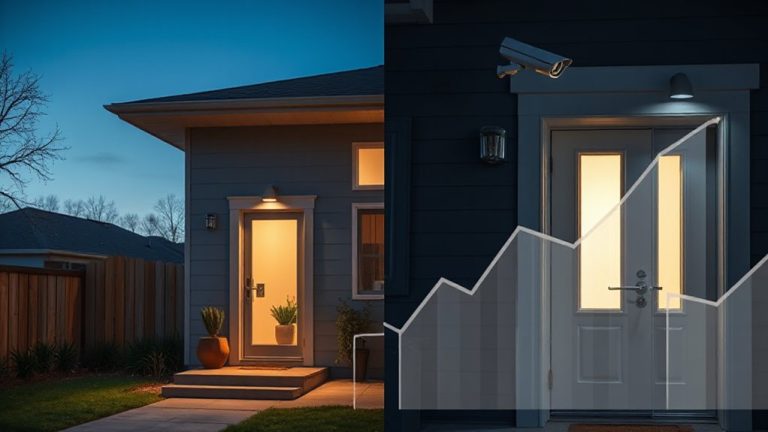
You might save upfront with a budget system, but long-term costs like repairs, subscriptions, and false alarms add up. Mid-tier or premium systems offer better durability, fewer false alerts, and lower maintenance. Smart sensors and self-diagnostics cut repair needs, while local storage reduces monthly fees. Professional installation prevents costly mistakes. Integrated systems avoid future upgrades. Choosing wisely now saves money and hassle later-there’s more to weigh for lasting value.
Notable Insights
- Prioritize systems with smart sensors and reliable motion detection to minimize false alerts and avoid costly fines.
- Choose mid-tier or premium systems for higher durability, firmware updates, and better long-term value over budget kits.
- Factor in subscription costs, as five-year fees can exceed equipment costs; consider local storage to reduce ongoing expenses.
- Opt for professional installation to ensure optimal camera placement, reduce blind spots, and lower future maintenance needs.
- Select systems with strong smart home integration to streamline control, improve energy efficiency, and prevent redundant devices.
What Actually Makes a Security System Worth the Long-Term Cost?
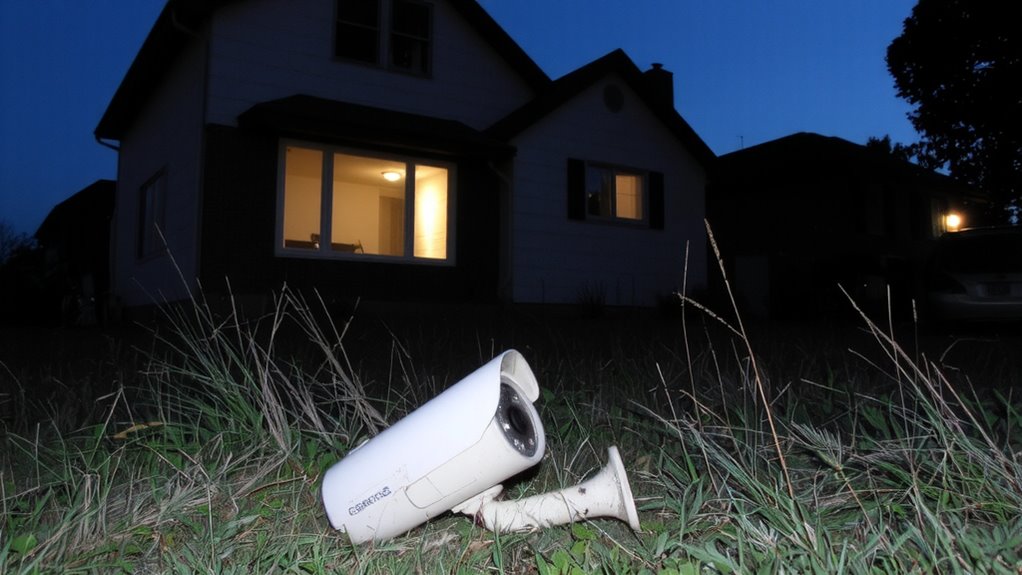
While some homeowners focus only on the upfront price, what really determines whether a security system pays off over time is how well it balances performance, reliability, and ongoing costs. You’ll save money and frustration if you choose a system with low false alarms, since repeated false alerts can lead to fines and wear down your trust in the system. Look for models with smart sensors and reliable motion detection to minimize these issues. Equally important are maintenance needs-systems with self-diagnostics and automatic updates reduce long-term effort and repair costs. Wired systems often demand more upkeep, while wireless options offer easier scalability but may require battery replacements. Always check warranty terms and support availability. A high-quality system might cost more up front, but with fewer service calls and dependable operation, it delivers better value over time. For indoor surveillance, consider models offering continuous recording to ensure comprehensive coverage without gaps.
Upfront Price vs. Lifetime Value: What Really Matters?
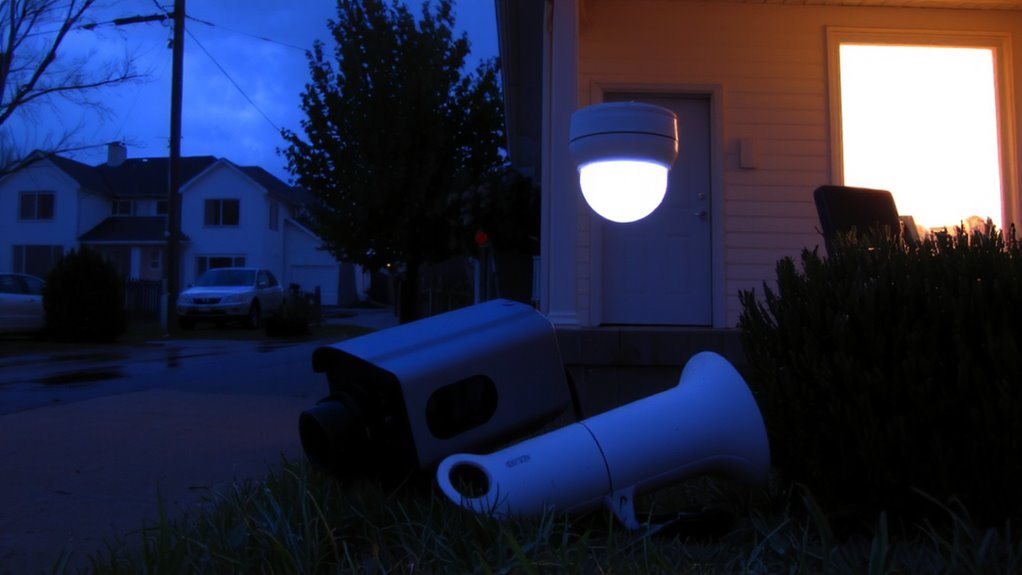
What if the cheapest system now ends up costing you more down the line? Focusing only on initial cost can blind you to hidden expenses that add up. A low-priced camera may lack durability or advanced features, requiring replacements or upgrades sooner. Over time, reliability, repair needs, and energy use all affect total value. Consider lifetime performance, not just sticker price. A reputable home security camera brand often provides better firmware updates and customer support, improving system longevity.
| System Type | Initial Cost | Lifetime Value |
|---|---|---|
| Budget Kit | $150 | Low – frequent repairs, limited support |
| Mid-Tier System | $300 | Medium – solid build, moderate upgrades |
| Premium System | $500+ | High – long-lasting, minimal hidden expenses |
Choose a system that balances affordability with long-term performance. Invest a bit more upfront to save on replacements and maintenance.
The Monthly Fees That Break Your Budget
How often do you check your monthly bills? You might be surprised how quickly small charges add up, especially with home surveillance systems. While the upfront cost seems clear, ongoing monthly fees can quietly strain your budget. Many providers bundle cloud storage, AI alerts, and app access into subscriptions that range from $10 to $30 per month. Over five years, that’s $600 to $1,800-more than the initial equipment. Worse, hidden fees for extended video retention or extra cameras often appear later. Over time, this leads to subscription fatigue, where constant payments dull the sense of value. To avoid overspending, calculate total five-year costs before choosing a plan. Opt for systems offering local storage or annual billing discounts. Knowing all fees upfront helps you stay in control and invest wisely long-term. Some top-performing models now offer robust features without any recurring charges, making best doorbell cameras no subscription needed a smart pick for budget-conscious homeowners.
How Smart Home Integration Prevents Costly Upgrades
If you’re already investing in smart home devices, linking your surveillance system to that ecosystem could save you hundreds over time. Integrated systems avoid redundant wiring and hardware, reducing future upgrade costs. Plus, you gain energy efficiency and seamless remote access across devices.
| Feature | Benefit |
|---|---|
| Unified App Control | Manage cameras, lights, and locks from one place |
| Remote Access | Check your home anytime, anywhere via smartphone |
| Energy Efficiency | Smart sensors reduce power use by adjusting to your habits |
When your camera system shares data with thermostats and lighting, it optimizes performance while cutting energy waste. You won’t need separate hubs or costly retrofits later. Planning integration from the start means fewer replacements, lower maintenance, and consistent functionality as tech evolves. Choose systems with open compatibility to protect your investment long-term.
DIY vs. Professional Installation: Which Saves More Long-Term?
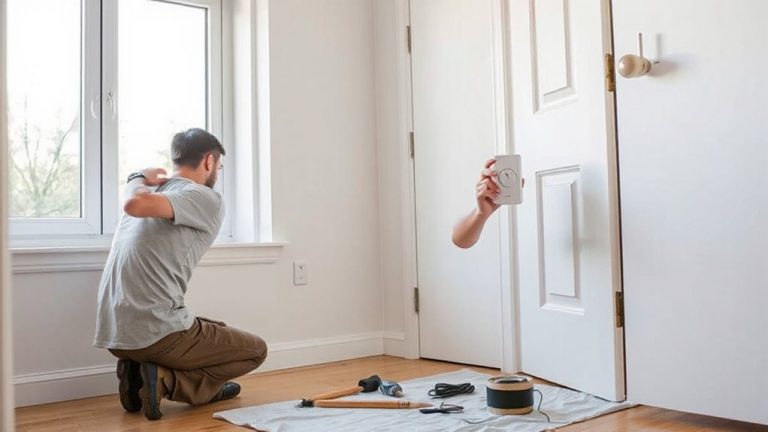
While going the DIY route might seem like the cheaper option upfront, it’s worth considering the long-term costs and risks before deciding. You could save on labor, but improper wiring complexity handling may lead to repairs or system failures down the line. Professional installers navigate electrical and structural challenges efficiently, reducing future troubleshooting. They also guarantee precise equipment calibration, which is critical for motion detection accuracy and peak camera angles. Mistakes in setup might seem minor at first, but they often result in blind spots or false alarms, increasing maintenance time and costs. Studies show professionally installed systems have lower service calls over five years. While DIY kits start around $200, you might spend more later fixing errors. Professional installation, typically $300–$500, offers upfront accuracy, often including warranties and support. For lasting reliability and fewer hidden expenses, the expert touch usually saves more over time.
Skimping on Features? Where It Costs You Later
What good is a cheap camera if it fails when you need it most? You might save upfront, but feature limitations like poor night vision, spotty motion detection, or weak weather resistance can leave your home vulnerable. These gaps often result in missed recordings or false alarms, reducing reliability when it matters. That makes skimping a false economy-your low initial cost could lead to higher expenses later, including theft, damage, or the need to replace equipment prematurely. Look for core features: 1080p resolution, continuous recording, mobile alerts, and two-way audio. Models priced below $50 often cut corners on these essentials. Instead, invest in a mid-tier system with strong reviews and long-term support. You’ll spend more at first but gain better performance, durability, and peace of mind. Proper planning prevents wasted money.
On a final note
You save long-term by choosing systems with low monthly fees, DIY installation, and smart home compatibility. Avoid cheap models lacking updates or expandability-they cost more over time. Prioritize reliable cameras, strong encryption, and local storage to reduce subscription needs. Compare lifetime costs, not just upfront price. A well-planned system with key features cuts future upgrades and keeps your home secure without budget strain.