Evaluating the Cost-Benefit Analysis of Investing in Smart Security Solutions Over Time
You’re likely already paying higher insurance premiums and utility bills-smart security helps reduce both. For $300–$800 upfront and $10–$30 monthly, you gain 24/7 monitoring, energy savings, and 5%–20% insurance discounts. Systems pay for themselves in years by preventing theft-homes without them are 300% more at risk-and cutting false alarms, repairs, and power use. With scalable sensors and remote control, long-term savings add up, especially when avoiding a single $10,000 loss. There’s more to how these systems work in practice just ahead.
Notable Insights
- Smart security systems have higher upfront costs ($300–$800) but offer long-term savings through energy efficiency and reduced maintenance.
- Insurance discounts of 5% to 20% can offset installation costs, often recouping the investment within a few years.
- Visible smart security devices deter intruders, reducing theft risk and avoiding costly property damage and repairs.
- Integration with home automation cuts energy waste via smart lighting, climate control, and remote system adjustments.
- Remote monitoring enables early detection of issues like leaks or system failures, preventing expensive repairs and lowering long-term costs.
Is Smart Security Worth the Upfront Cost?
Why spend more now on smart security when traditional systems seem cheaper upfront? Because long-term savings and adaptability matter. Smart systems cost more initially, but their energy efficiency reduces power usage over time, lowering utility costs. They integrate with home automation, cutting waste through motion-sensing lights and climate controls. Unlike basic alarms, these systems offer future scalability-you can add sensors, cameras, or access controls as needs grow, without replacing the entire setup. Traditional setups often require costly upgrades or professional servicing. With smart security, most maintenance is remote, and monitoring is app-based, saving time and repair fees. Consider setup costs between $300 and $800, with monthly plans from $10–$30. Weigh initial pricing against reduced energy use, expandability, and fewer system replacements. Smart security pays off through efficiency and room to grow. Leading systems in 2025 support seamless integration across Top Smart Home Systems.
How Smart Security Lowers Insurance Bills
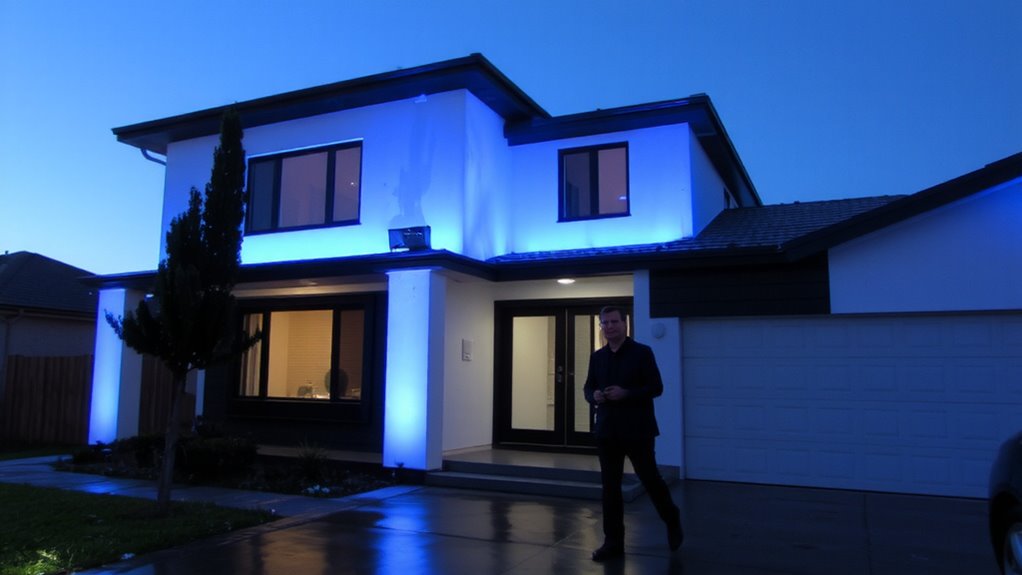
A well-installed smart security system can lead to lower homeowners insurance premiums, and many insurers offer discounts ranging from 5% to 20% for homes with monitored devices. You’ll often qualify for these savings when you include features like motion sensors, smart locks, and 24/7 monitoring. Sensor upgrades make your system more responsive, helping detect threats early and reducing potential damage. Insurers reward this added protection because it leads to fewer and less costly claims-what they call claim reductions. Over time, these claim reductions translate into measurable savings for you, both through lower premiums and avoided out-of-pocket expenses. While system costs vary, most homeowners recoup installation expenses within a few years via insurance discounts alone. Check with your provider to confirm eligible devices and discount levels. Smart security isn’t just about deterrence-it’s a financial strategy that pays off steadily.
Preventing Theft: Real ROI From Damage Prevention

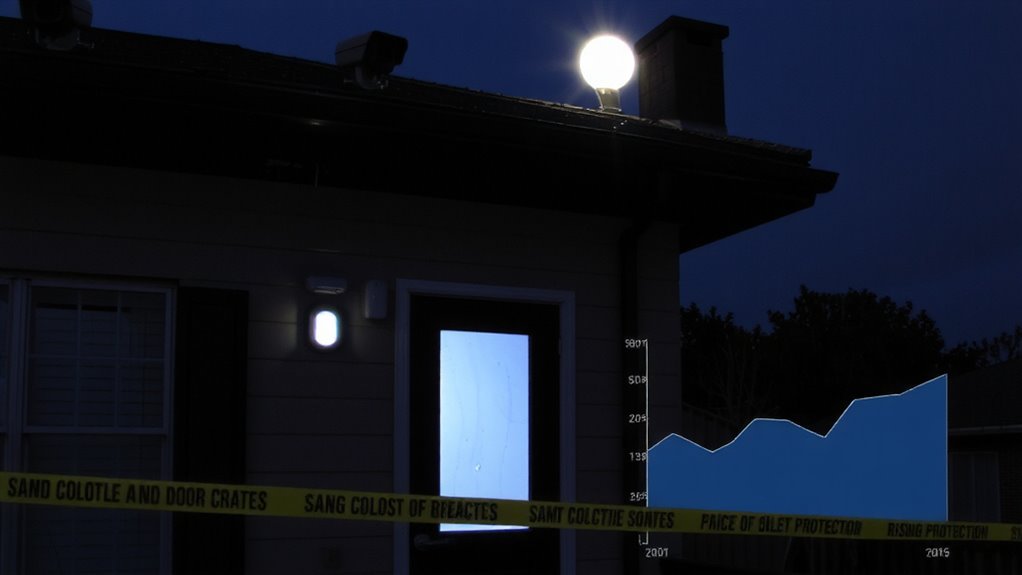
How much could you save if a smart security system stopped a break-in before it caused thousands in damage? Smart security delivers real ROI through theft deterrence and asset protection. Visible cameras and alarms discourage intruders, reducing the chance of a break-in. Studies show homes without security systems are up to 300% more likely to be targeted. If a theft is prevented, you avoid not just property loss but also repair costs and insurance claims. Sensors, motion detection, and 24/7 monitoring improve response times, limiting damage. These systems protect valuables, documents, and irreplaceable personal items. When evaluating cost, consider the value of what you’re protecting. A $500 setup might deter a $10,000 loss, offering clear financial benefit. Focus on reliability, coverage, and integration when choosing equipment. Theft prevention isn’t just about catching criminals-it’s about stopping them before they act. A high-quality gun safe under $2000 can secure firearms and sensitive items, adding a critical layer of physical protection alongside electronic systems.
How Smart Systems Cut Costs Over Time
Smart security systems pay for themselves over time through consistent savings and reduced expenses. You’ll benefit from energy efficiency and maintenance reduction, which add up across months and years. Automated lighting and climate controls adjust when you’re away, cutting unnecessary power use. Fewer false alarms mean less service wear and lower fees. Predictive alerts help you address issues early, preventing costly repairs.
| Feature | Benefit | Cost Impact |
|---|---|---|
| Smart thermostats | Improved energy efficiency | Lower utility bills |
| Self-diagnostics | Reduced maintenance needs | Fewer service calls |
| Remote system updates | Ongoing performance optimization | Extended equipment life |
These systems streamline operations while reducing long-term spending. You gain measurable financial advantages beyond security, making smart investments practical for budget-conscious planning.
Remote Monitoring: Hidden Savings Beyond Safety
Why limit remote nagamyasd to just security when it’s also trimming your expenses? You’re not just watching for intruders-you’re boosting energy efficiency by adjusting lights, heat, and cooling from anywhere. That means lower utility bills over time. Smart sensors also send maintenance alerts, so you catch small issues before they become costly repairs. A leaky pipe or failing HVAC system gets flagged early, reducing water and equipment damage. These systems pay for themselves within a few years, especially in larger homes. Monthly monitoring plans range from $20 to $50, but the savings on energy and repairs often offset that. While upfront costs average $500 to $1,200, long-term benefits outweigh initial investment. Choose devices with proven reliability and integrate them with existing smart home tools. Remote monitoring doesn’t just protect-it saves you money where you’d least expect. For maximum convenience and cost efficiency, consider starting with best Wi-Fi cameras that offer seamless integration and reliable performance.
On a final note
You’ll likely save money over time by investing in smart security, especially through lower insurance premiums and theft prevention. While upfront costs range from $200 to $600, systems often pay for themselves in 3–5 years. Remote monitoring cuts emergency response times, reducing damage. Look for systems with motion sensors, cellular backup, and insurance discounts. Weigh features against your needs, and consider professional installation for best performance.