How to Install Security Systems in Rental Properties Without Landlord Issues
Check your lease first-you might already have rules about modifications or subleasing. Use no-drill, wireless systems with adhesive or magnetic mounts under $150 for easy, damage-free setup. Install smart sensors and window alarms near entry points, and sync them to your phone. Always get written approval from your landlord, especially for cameras near shared areas. Avoid hidden recording and guarantee devices meet lease terms-this keeps you safe and compliant while protecting your deposit. You’ll find even more ways to stay secure without overstepping.
Notable Insights
- Review your lease agreement to ensure security modifications comply with clauses on alterations, subleasing, and electronics.
- Get written landlord approval before installing any devices, especially for exterior or permanent-looking installations.
- Use no-drill, adhesive-mounted, or magnetic security devices to avoid property damage and lease violations.
- Position wireless cameras and sensors near entry points without obstructing shared or private areas to respect privacy laws.
- Document all communications and device installations to prove compliance and enable seamless removal at move-out.
Review Your Lease and Renter Rights
While every rental is different, checking your lease agreement first can save you time and potential disputes down the road, so don’t skip this step. You’ll likely find clauses about modifications, subleasing, and required permissions for installations. Many landlords now expect tenants to carry renter insurance, which can cover stolen property and liability, making it a smart addition even if not required. Review your local privacy laws too, since recording audio or video in shared or private spaces may have legal limits. Some states require notice before surveillance, especially in areas like hallways or near windows. Knowing your rights helps you install security responsibly without violating legal boundaries. Violating lease terms or privacy laws could result in fines or eviction. Always document approvals in writing. Being informed protects both your safety and your tenancy.
Choose Renter-Safe, No-Drill Security Gear
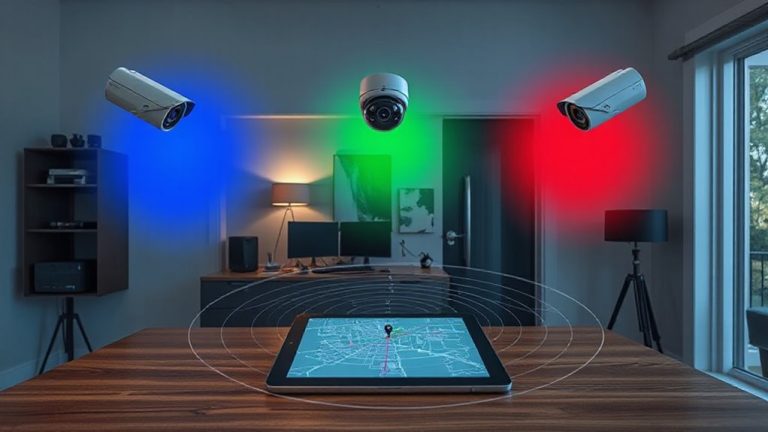
Many modern security devices let you protect your rental without drilling holes or making permanent changes. Opt for renter-safe options like smart sensors and window alarms that use adhesive mounts or magnetic strips. These tools offer reliable detection without damaging walls or frames. You can easily remove them when you move, leaving no trace.
| Feature | Benefit | Peace of Mind |
|---|---|---|
| No-drill installation | No damage, no penalty | You’re protected and compliant |
| Smart sensors | Detect motion or entry instantly | Know when someone enters |
| Window alarms | Sound alert on opening | Deter intruders fast |
| Wireless connectivity | Link to phone or hub | Monitor remotely anytime |
| Temporary setup | Remove or reposition easily | Flexibility without risk |
Most kits cost $50–$150 and sync with apps, giving you data-backed control. Choose systems with strong adhesive backing and tested reliability.
Top-rated options include the best security cameras for rental properties, which balance performance, ease of installation, and tenant-friendly design.
Install Cameras and Alarms Damage-Free
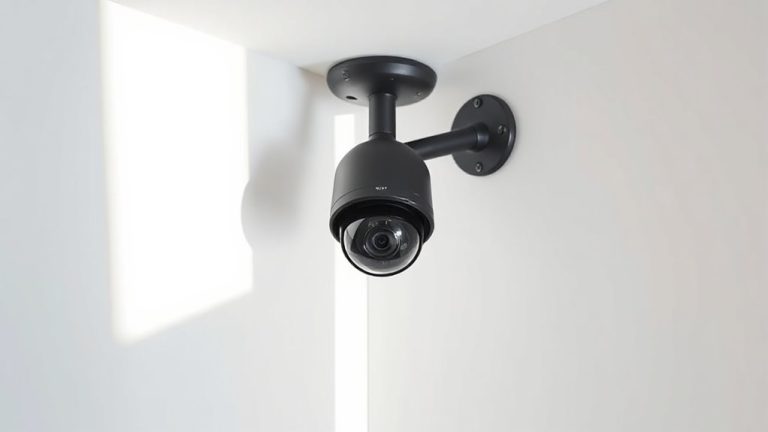
You’ve picked renter-friendly sensors and alarms that won’t damage your walls, and now it’s time to extend that same care to cameras and alarm systems. Opt for wireless installation-these systems use batteries and Wi-Fi, eliminating the need for drilling or hardwiring. Many modern security cameras support temporary mounting with removable adhesive strips or magnetic bases, making setup fast and damage-free. Position cameras near entry points, like doors and ground-floor windows, for maximum visibility. Wireless systems often sync with mobile apps, giving you real-time alerts. While they require periodic charging, their flexibility outweighs this drawback. Temporary mounting also lets you reposition devices if coverage is weak. Look for models with local storage or encrypted cloud backup to keep data secure. Installation usually takes under 15 minutes per unit. Most kits range from $150 to $300, offering a cost-effective, landlord-safe upgrade to your rental’s security. For those seeking reliable, easy-to-install options, Best Plug-In Security Cameras offer strong performance without permanent modifications.
Talk to Your Landlord Before Setting Up
Since security upgrades can affect lease terms, it’s smart to talk with your landlord before installing any system. Open lease communication helps you avoid conflicts and guarantees your plans align with rental rules. Discuss where you intend to place devices, especially near property boundaries like windows, doors, or outdoor areas, since those spots may require special permission. Most landlords prefer written requests, so send a brief note outlining your security goals and the non-damaging method you’ll use. This approach builds trust and shows responsibility. Some leases restrict exterior modifications or video recording, so confirming details early prevents legal issues. Clear communication also lets you learn if the property already has security coverage. Remember, cooperation protects your rights and rental agreement. A quick conversation can save time, money, and potential eviction risks down the road.
Skip These Lease-Breaking Security Mistakes
While boosting your rental’s safety might seem straightforward, skipping certain common mistakes can prevent accidental lease violations. Avoid hidden installations, as placing cameras or sensors without disclosure may break your lease and local laws. Landlords often prohibit modifications that damage walls or wiring, so always confirm what’s allowed. If you install removable devices, label them clearly and store parts safely to guarantee proper temporary removals at move-out. Never drill or hardwire without permission-opt for peel-and-stick or magnetic mounts instead. Remember, some systems claim to be “renter-friendly,” but check leasing agreements for clauses on electronics or surveillance. Failure to comply could result in withheld deposits or eviction. Always document approvals in writing, test devices regularly, and return the unit to its original condition. Smart planning now avoids costly disputes later. Consider using best smart locks for rental properties that require no permanent installation and are designed specifically for temporary, secure access.
On a final note
You can boost your rental’s security without breaking lease rules. Start by reviewing your lease and knowing your rights. Choose no-drill devices like magnetic sensors, peel-and-stick cameras, or smart doorbells with adhesive mounts. These are affordable, easy to remove, and leave little to no damage. Talk to your landlord first-many allow security gear if you restore the unit later. Avoid permanent changes like drilling or hardwiring, which can cost you fees.