When to Use Silent Alarms: Stealth Monitoring Tactics That Prevent Confrontation
Use silent alarms when you need to alert authorities without risking confrontation, like during a home break-in, medical emergency, or business robbery. They work discreetly, cutting response times by up to 40% and reducing violence risk. Pair them with monitoring services-typically $20–$60 monthly-for faster police or medical help. They’re ideal when stealth matters most and work best integrated with sensors or wearables. You’ll also see how different setups improve safety in specific scenarios.
Notable Insights
- Use silent alarms during home break-ins to alert authorities without escalating danger through audible alerts.
- Activate silent alarms in businesses during robberies to discreetly notify law enforcement and avoid confrontations.
- Employ silent alarms for elderly or medical emergencies to summon help without alarming the individual or intruder.
- Integrate silent alarms with security systems for real-time monitoring and faster emergency response via motion or entry triggers.
- Utilize personal panic buttons during suspicious encounters to send covert alerts via cellular or Wi-Fi connections.
How Silent Alarms Prevent Escalation
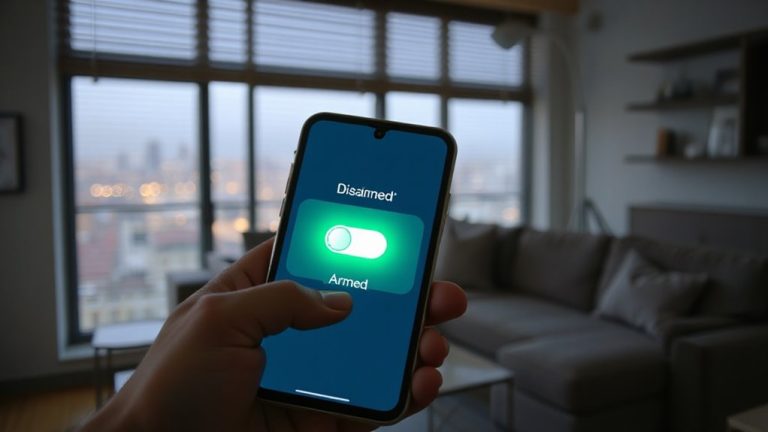
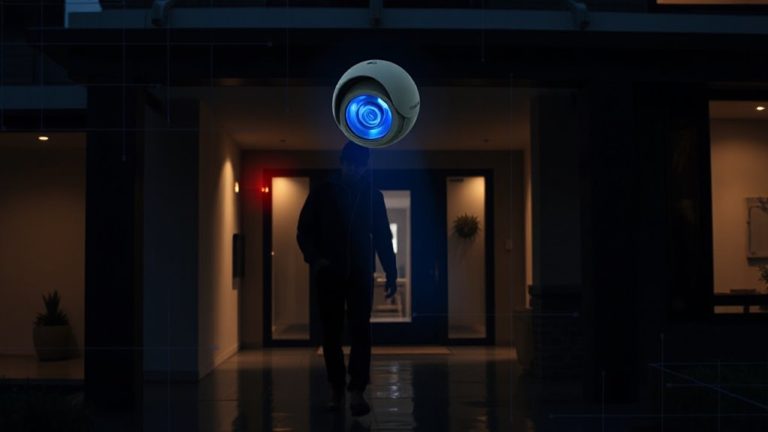
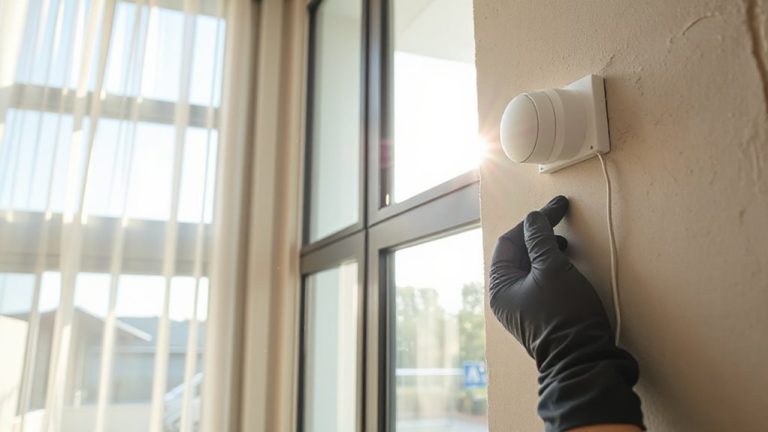
While you might instinctively want to confront a threat, activating a silent alarm instead can greatly reduce the risk of violence by discreetly alerting authorities without notifying the intruder. Silent alarms support de escalation techniques by preventing direct confrontation, which can reduce panic and limit aggressive responses. When you use threat assessment to evaluate a situation, a silent alarm provides time for police response while you stay safe. These systems often integrate with security monitoring services, typically costing $20–$60 monthly. Pros include high discretion and reduced injury risk; cons involve potential delays if monitoring is delayed. Install keypads or mobile-triggered alarms in accessible spots. Test monthly and confirm backup power. Unlike loud alarms, silent versions don’t escalate tension, making them ideal for uncertain threats. Effective planning means pairing them with other preventive measures. For added protection, consider integrating a best motion sensor alarms system to enhance early threat detection.
When to Use Silent Alarms at Home
When should you consider using a silent alarm at home? You might want one if you live in an area with frequent break-ins, where alerting authorities without warning intruders reduces risk. Silent alarms work well when linked to monitoring services, sending alerts without notifying the burglar. They’re especially useful if you’re part of neighborhood watches, as alerts can be shared discreetly with trusted neighbors. For elderly care, silent alarms let at-risk family members summon help without alarming an intruder or causing panic. They integrate with medical alert systems and home security setups, providing reliable, low-profile protection. Installation is straightforward, and monthly monitoring averages $20–$50. While they don’t deter trespassers like loud alarms do, their stealth keeps you safer during active threats. Consider one if your priority is quick response over confrontation. Top systems offer professional monitoring with 24/7 surveillance for maximum reliability.
Silent Alarms in Business: Key Use Cases
You’ve likely already considered how silent alarms protect homes, especially in high-risk areas or for loved ones needing medical alerts. Now think about your business-you can use silent alarms to enhance security without escalating situations. These systems are ideal for employee monitoring during robberies, allowing staff to signal for help discreetly. They support asset protection by triggering alerts when breaches occur, without alerting intruders. Many systems integrate with surveillance and access controls, providing real-time data to authorities. Silent alarms reduce confrontation risks, making them useful in retail, banks, and pharmacies. While installation costs range from $200 to $1,000, ongoing monitoring adds $20–$50 monthly. Weigh the benefits of covert communication against false alarm policies. Proper placement and staff training improve effectiveness. For businesses prioritizing safety and evidence-based response, silent alarms offer a reliable, low-profile solution.
Silent Alarms for Personal Safety Emergencies
Why wait until danger becomes visible before asking for help? Silent alarms let you send emergency alerts discreetly when you feel threatened. With a simple press of panic buttons-on keychains, smartphones, or wearable devices-you instantly alert monitoring centers or trusted contacts. These tools are especially useful during home invasions, medical episodes, or suspicious encounters where shouting for help could escalate risk. Studies show response times improve when alerts are sent silently, reducing harm by up to 40% compared to verbal calls. Most systems work with cellular or Wi-Fi networks, ensuring reliability even if lines are cut. While monthly monitoring can cost $10–$30, basic models without subscriptions are available. Choose devices with long battery life and easy access. Test them monthly. You stay safer when help arrives quickly-and quietly. For reliable options, consider checking the best panic buttons based on expert testing and user feedback.
Integrating Silent Alarms With Security Systems
While silent alarms work well on their own, pairing them with a full security system boosts both functionality and response speed. You gain better control and faster help when system integration links silent alarms to motion detectors, cameras, and door sensors. This connection guarantees alerts go straight to monitoring centers without drawing attention. Most professional setups use standardized monitoring protocols, so your alarm data is verified and acted on quickly. Systems with cellular backup maintain operation during power outages, which increases reliability. You’ll pay more for full integration-typically $30–$60 monthly-but the added protection is worth it for high-risk homes. DIY kits cost less but may lack 24/7 professional monitoring. For best results, choose a system that supports automatic police or medical dispatch. Test your setup monthly to confirm signals transmit correctly. Proper planning guarantees seamless performance when every second counts.
On a final note
You should use silent alarms when avoiding confrontation is key, like during home invasions, business robberies, or personal threats. They alert authorities without warning intruders, reducing danger. Pair them with monitored security systems for faster response. Though effective, they require reliable connectivity and professional monitoring, which may increase costs. Test regularly and guarantee all users know how to activate them. Planning improves safety without unnecessary risk.